
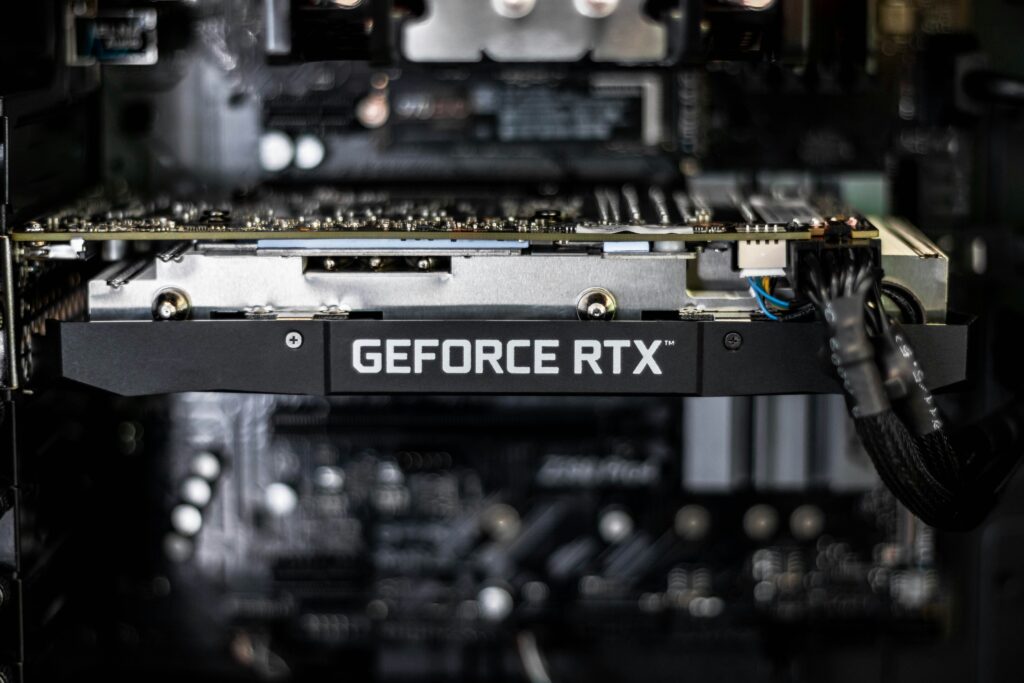
The Dawn of the Blackwell Era
In mid-2024, Nvidia officially detailed the specifics of its Blackwell architecture, a platform designed to power the next generation of generative models. This release represents a critical juncture for organizations heavily invested in cloud infrastructure and specialized hardware. By integrating two reticle-limited dies into a single, unified GPU, Nvidia has addressed the physical constraints that previously limited silicon performance.
Technical Prowess and Industry Impact
According to The Verge, the Blackwell B200 GPU offers significant improvements in power efficiency and compute density. This is crucial for data centers facing rising energy costs and space limitations. For CTOs and infrastructure leads, the shift to Blackwell signifies a requirement to audit existing workflows. Our previous look at optimizing cloud infrastructure highlights why such hardware pivots necessitate a rethink of current operational scalability.
Analyzing Performance Benchmarks
Data provided by Nvidia indicates that Blackwell chips can support models with trillions of parameters more effectively than previous iterations. The architecture utilizes a second-generation Transformer Engine, which uses micro-scaling to optimize performance without sacrificing precision. This is a game-changer for industries relying on real-time data processing, such as fintech and advanced logistics.
The Expert Perspective on Hardware Adoption
Market analysts suggest that while the initial rollout will be constrained to the largest hyperscalers, the ripple effect will touch small-to-midsize enterprises by 2025. The challenge for companies remains in the transition—integrating these power-hungry, high-performance units into existing cooling and power delivery systems. Industry experts advise a phased approach: prioritizing hardware refresh cycles that align with actual workload requirements rather than chasing raw theoretical peak performance.
Looking Ahead: Future Hardware Cycles
As we move into the next phase of computing, the integration between software stacks and hardware becomes increasingly tight. We expect future iterations to focus even more heavily on liquid cooling integration and specialized interconnect technologies like NVLink. Businesses that prepare their workflows for this level of hardware density today will be the ones that maintain a competitive edge in the coming years.