
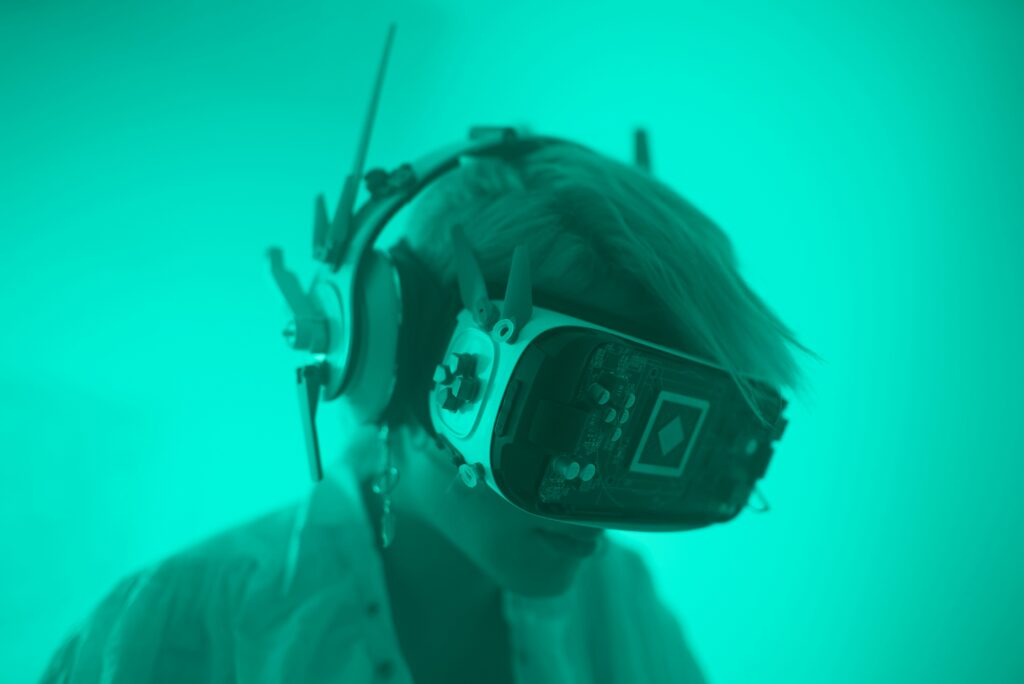
The Arrival of Movie Gen
On October 4, 2024, Meta introduced Movie Gen, its latest leap in generative media models. Unlike previous iterations that struggled with motion consistency and temporal coherence, Movie Gen leverages a massive scale of data to produce 1080p high-definition video at up to 16 seconds in length. For professional teams, this means the ability to rapidly iterate on visual concepts, drastically reducing the time spent in the initial storyboarding and pre-visualization phases.
Technical Capabilities and Industry Impact
Meta’s research indicates that Movie Gen excels in three core areas: precise motion control, personalized image-to-video generation, and audio-video synchronization. By analyzing the official technical overview, it is clear that the model understands physical world dynamics with unprecedented accuracy. For sectors like marketing and corporate communications, this signifies that complex video assets can be generated in-house, bypassing expensive stock footage licensing and lengthy post-production cycles.
Redefining Automated Workflows
The integration of AI-driven media generation is a natural evolution for companies focused on digital transformation. If your organization is looking to streamline media assets, check out our insights on automating digital workflows. Movie Gen fits perfectly into this ecosystem by acting as a ‘force multiplier’ for creative teams. Instead of replacing human oversight, it provides a foundation upon which professional editors can build, edit, and iterate at scale.
Expert Predictions and Ethical Considerations
Industry analysts view Movie Gen as a direct competitor to existing models like OpenAI’s Sora. While the tool remains in the research phase and is not yet available to the general public, its potential is undeniable. Experts suggest that the focus on ‘personalized’ video—where a user can upload their own likeness to generate new scenes—will lead to a massive disruption in the advertising industry. However, Meta has emphasized its commitment to responsible development, noting that safety features are being baked into the architecture from the ground up to prevent the creation of harmful or misleading content.
Conclusion: The Future of Media Production
As we move toward a future where intelligent systems handle the ‘heavy lifting’ of media production, businesses that adopt these tools early will likely gain a significant competitive advantage. Meta’s move into the video space confirms that the next frontier of artificial intelligence is not just about writing text or generating static images, but about capturing movement and sound in a way that feels indistinguishable from reality.