
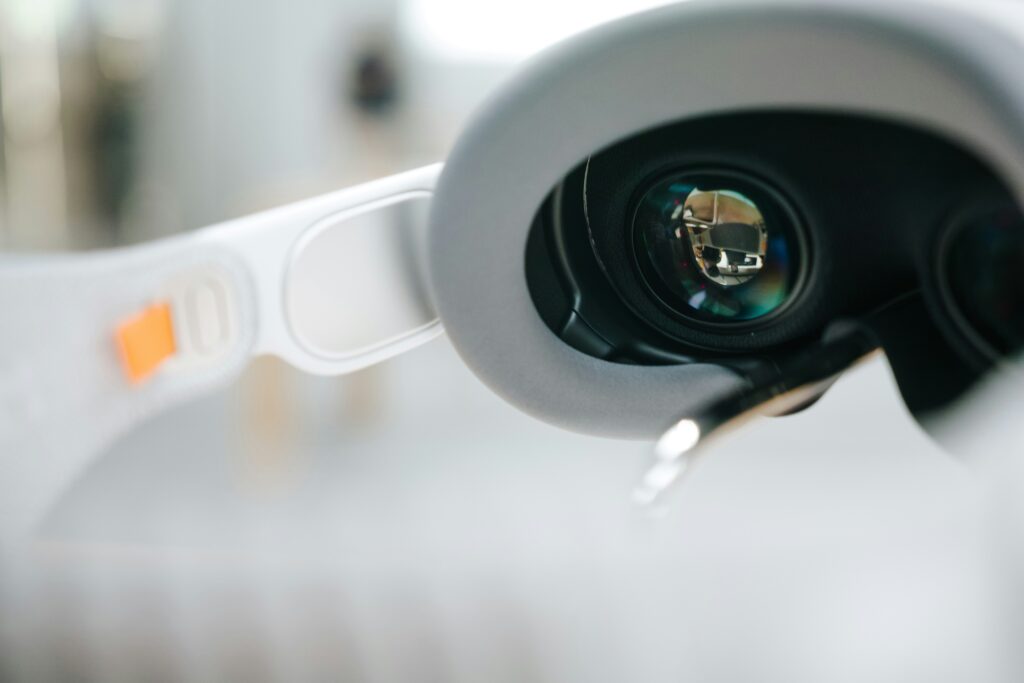
Apple’s entry into the spatial computing landscape with the Vision Pro has been nothing short of a seismic event, captivating the tech world since its initial unveiling. While much of the early conversation centered on the device’s hardware prowess and initial consumer impressions, a more profound transformation is quietly unfolding: the rapid proliferation of startups dedicated to building out its nascent ecosystem. These emerging ventures are quickly becoming the unsung heroes of this new frontier, driving innovation and expanding the boundaries of what’s possible in mixed reality.
The latest buzz around the Vision Pro ecosystem has intensified following recent developer announcements, such as those made at Apple’s Worldwide Developers Conference (WWDC) in early June 2024. These updates have showcased enhanced APIs, sophisticated development tools, and clearer guidelines for creating immersive experiences. This sustained push from Apple has acted as a powerful catalyst, signaling to investors and entrepreneurs that the time is ripe for significant investment in spatial computing applications. Consequently, we’ve witnessed a notable uptick in seed and Series A funding rounds for startups focused on leveraging Vision Pro’s capabilities, from productivity and collaboration tools to novel entertainment and educational platforms.
The New Frontier: Vision Pro as a Startup Launchpad
For decades, new computing paradigms have consistently spawned new industries and entrepreneurial opportunities. The personal computer era gave us software giants, the internet brought forth e-commerce and social media, and mobile devices catalyzed the app economy. Spatial computing, with Apple Vision Pro at its vanguard, is poised to replicate this pattern. The unique blend of digital content seamlessly integrated into the physical world presents a blank canvas for developers to reimagine how we work, learn, play, and connect.
Official statements from Apple executives consistently emphasize the importance of the developer community in realizing the Vision Pro’s long-term vision. Tim Cook, for instance, has frequently highlighted the transformative potential of spatial computing, not just as a new device category but as a platform for an entirely new generation of applications. This corporate encouragement, coupled with the robust developer tools provided by Apple, has emboldened startups to dive headfirst into this complex yet promising space.
One notable trend is the specialization within these new ventures. Instead of broad, general-purpose apps, many startups are honing in on specific use cases where spatial computing offers a distinct advantage. For instance, companies are developing sophisticated tools for architectural visualization, surgical training, remote collaboration for engineers, and interactive storytelling that goes beyond traditional screens. This targeted approach suggests a mature understanding of the market’s evolving needs and the unique strengths of the Vision Pro platform.
Data and Investment Trends Shaping the Ecosystem
While specific public data on Vision Pro-exclusive startup funding is still emerging, broader trends in the XR (Extended Reality) market offer a compelling backdrop. According to a recent report by a credible tech research firm, venture capital investment in AR/VR startups surged by over 20% in the first half of 2024 compared to the previous year, with a significant portion of this growth attributed to companies aligning with Apple’s ecosystem. This indicates a strong investor appetite for technologies that promise to define the next computing cycle. TechCrunch recently reported on several early-stage funding rounds for startups focused on spatial computing applications, underscoring this growing momentum.
Furthermore, major tech giants, including Apple through its accelerator programs and venture capital partners, are actively fostering this startup environment. They are not only providing funding but also mentorship, technical support, and access to crucial market insights. This symbiotic relationship ensures that the budding ecosystem receives the necessary resources and guidance to thrive, mitigating some of the inherent risks associated with pioneering new technologies.
Impact on Industries and Users
The burgeoning Vision Pro startup ecosystem holds immense promise for various industries. In healthcare, spatial computing applications are enabling surgeons to practice complex procedures in a fully immersive environment, enhancing precision and reducing risks. For manufacturing and design, engineers can collaborate on 3D models in shared virtual spaces, streamlining workflows and accelerating product development cycles. The education sector is also set to be revolutionized, with startups creating interactive learning modules that bring abstract concepts to life in unprecedented ways.
For the end-user, whether in a professional or personal context, this wave of innovation translates into richer, more intuitive, and ultimately more productive experiences. Imagine interacting with your digital workspace not confined to a flat monitor but spread across your physical room, accessible with natural hand gestures and eye movements. This paradigm shift promises to blur the lines between our digital and physical realities, offering a more natural and less intrusive way to engage with technology.
Challenges and Opportunities for Spatial Computing Startups
Despite the immense potential, startups in the spatial computing space face significant challenges. The high cost of hardware, while gradually decreasing, remains a barrier to widespread adoption. Furthermore, developing applications for a completely new interaction model requires specialized skills and a deep understanding of user experience in three dimensions. Monetization strategies are also evolving, as traditional app store models may need adaptation for spatial computing environments.
However, these challenges also present unique opportunities. Early movers who can successfully navigate these complexities stand to gain a significant competitive advantage. The demand for skilled spatial computing developers is outstripping supply, creating a fertile ground for specialized talent acquisition. Moreover, the nascent nature of the market means there’s ample room for innovation and for startups to define entirely new categories of applications and services.
The journey of building out the Vision Pro ecosystem is still in its early stages, but the foundations are being laid by a determined and innovative community of entrepreneurs. Their efforts, combined with Apple’s continued platform development, will dictate the pace and direction of spatial computing’s evolution. As these startups mature, their impact will extend far beyond niche applications, fundamentally altering how industries operate and how individuals interact with the digital world.
Looking ahead, the next few years will be critical for **spatial computing startups**. We can anticipate more specialized hardware accessories, advanced haptic feedback systems, and increasingly sophisticated AI integration to enhance user experiences further. As the technology matures and becomes more accessible, the barrier to entry for both developers and consumers will lower, paving the way for mass adoption. The entrepreneurial spirit currently animating this sector is a clear indicator that spatial computing is not just a passing trend but a foundational shift in how we perceive and utilize technology. The future of innovation is undoubtedly spatial.
To dive deeper into how emerging technologies are reshaping the business landscape, explore our insights on The Future of Augmented Reality in Enterprise Solutions.