
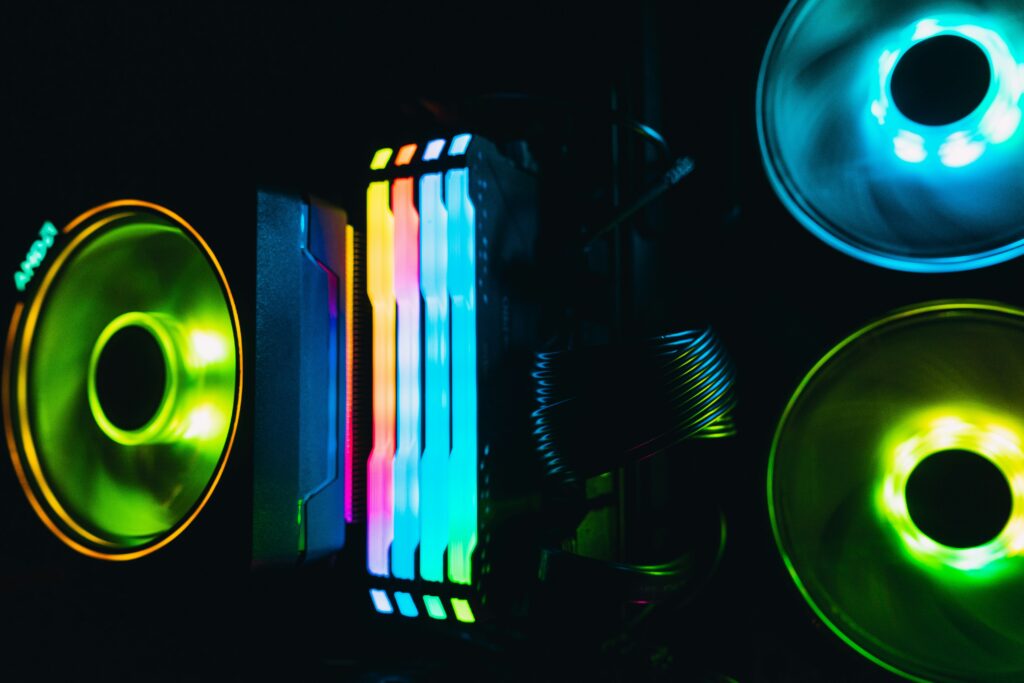
The fierce competition in the processor market continues to push boundaries, and AMD has once again stepped into the spotlight with a major reveal. At Computex 2024, held from May 28 to June 7, AMD officially announced its highly anticipated Ryzen 9000 series desktop processors, based on the revolutionary Zen 5 architecture. Codenamed ‘Granite Ridge,’ these new CPUs are set to hit the market in July 2024, promising substantial performance uplifts and enhanced capabilities for a wide range of users.
Dr. Lisa Su, CEO of AMD, highlighted the Zen 5 architecture as a significant leap forward during her keynote. The initial lineup includes four prominent models: the Ryzen 9 9950X, Ryzen 9 9900X, Ryzen 7 9700X, and Ryzen 5 9600X. The flagship Ryzen 9 9950X, boasting 16 cores and 32 threads, is positioned to deliver unparalleled performance in both gaming and productivity tasks. AMD claims an average 16% uplift in Instructions Per Cycle (IPC) generation-over-generation compared to Zen 4, a crucial metric indicating the efficiency of the processor’s core design. This IPC improvement translates directly into faster task completion, more responsive applications, and an overall snappier user experience.
Beyond raw IPC gains, the Zen 5 architecture features a completely redesigned front-end, wider pipelines, and enhanced branch prediction capabilities. These fundamental changes contribute to better utilization of the processor’s resources, allowing it to execute more instructions concurrently and with greater accuracy. For consumers, this means tangible benefits across various workloads. Gamers can expect higher frame rates and smoother gameplay, particularly in CPU-intensive titles. Content creators will see faster rendering times for video editing, 3D modeling, and graphic design projects, significantly reducing waiting periods and boosting productivity. Professionals engaged in data analysis, scientific simulations, or complex software development will benefit from the increased computational horsepower, enabling quicker processing of large datasets and more efficient execution of demanding applications.
AMD’s commitment to its AM5 platform also remains steadfast. The Ryzen 9000 series continues to utilize the AM5 socket, ensuring backward compatibility with existing motherboards and providing a clear upgrade path for users currently on the Zen 4 platform. This strategic decision offers significant value, allowing consumers to upgrade their CPU without necessitating a complete overhaul of their system, thereby lowering the barrier to entry for accessing the latest performance. Furthermore, the new processors support faster DDR5 memory and feature PCIe Gen 5 connectivity, future-proofing systems for upcoming generations of GPUs and high-speed storage devices.
The introduction of the Ryzen 9000 series also intensifies the competitive landscape within the CPU market. With Intel launching its own next-generation processors, consumers are set to benefit from an accelerated pace of innovation and potentially more aggressive pricing strategies. This heightened competition ultimately drives both companies to push the envelope further, leading to better products and more options for end-users. Analysts predict that AMD’s strong performance claims, especially the substantial IPC uplift, could sway a significant portion of the enthusiast market and professionals looking for the most efficient multi-core performance.
Looking ahead, the Zen 5 architecture is not just confined to desktop CPUs. AMD’s roadmap suggests that this core design will eventually make its way into server-grade processors (EPYC) and mobile platforms, bringing its efficiency and power to a broader range of computing devices. The continuous integration of dedicated AI accelerators (NPUs) into modern processors, while less pronounced in the initial desktop Zen 5 lineup focused on raw CPU performance, highlights a broader industry trend. Future iterations and specialized Zen 5 variants are likely to further enhance AI-driven workloads directly on the chip, paving the way for more sophisticated on-device AI capabilities across all computing segments. Expert opinion from publications like The Verge underscores the excitement surrounding Zen 5, noting its potential to solidify AMD’s position in the high-end desktop market. This launch reinforces AMD’s strategy of delivering strong generational improvements, ensuring that users consistently receive significant value and performance gains with each new architecture.
In conclusion, the launch of AMD’s Zen 5 Ryzen 9000 processors marks a significant milestone in desktop computing. With a strong emphasis on architectural enhancements and a promised 16% IPC uplift, these chips are poised to deliver a game-changing experience for gamers, content creators, and professionals. As the market eagerly awaits their July 2024 release, the Ryzen 9000 series stands as a testament to AMD’s continuous innovation and its dedication to pushing the boundaries of what’s possible in high-performance computing. For businesses and individuals seeking to future-proof their operations and leverage the most advanced hardware, the Zen 5 processors represent a compelling proposition. Explore how optimizing your workflows with high-performance computing can transform your business efficiency.