
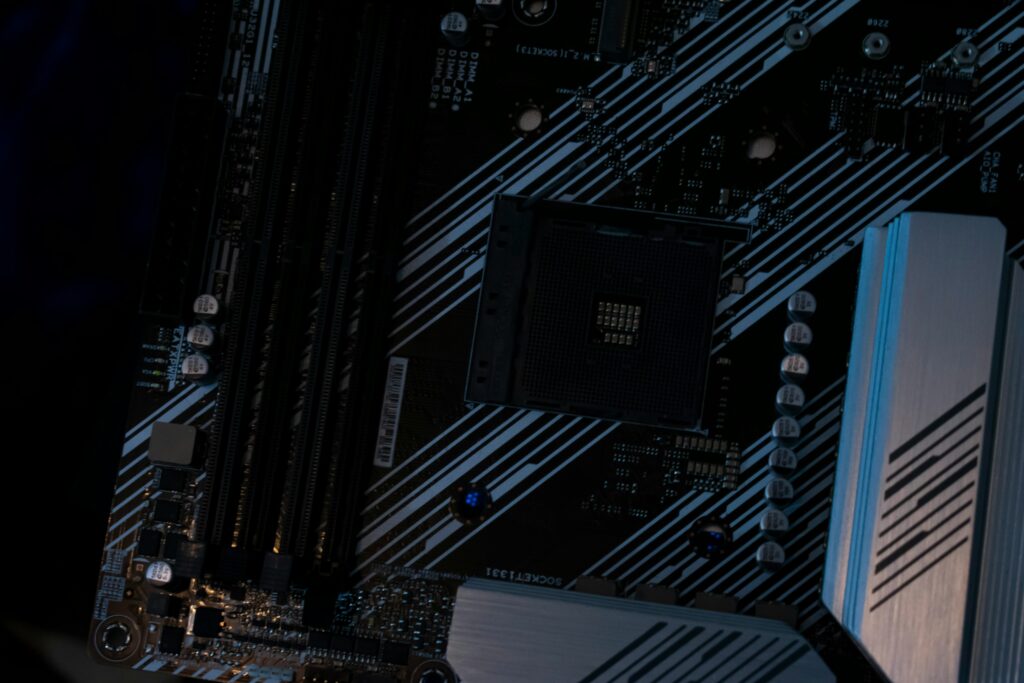
The Arrival of the Blackwell Architecture
In a significant announcement made recently, Nvidia officially pushed forward with the shipping of its Blackwell-based processors. This launch represents more than just a marginal performance increase; it is a fundamental shift in chip design architecture. By integrating two reticle-limited dies into a single, unified GPU, Nvidia has managed to overcome the physical scaling limits that have constrained traditional hardware for the past decade.
According to recent reports from The Verge, the ramp-up for these chips is currently underway to meet the astronomical demand from major hyperscalers. This transition is not merely about hardware speed—it is about the physical manifestation of what is possible in modern computing environments.
Hardware Innovation and Data Center Efficiency
The primary value proposition of the Blackwell series lies in its specialized transformer engine. For enterprises currently exploring AI infrastructure optimization, this hardware represents the next stage of operational scaling. Unlike previous generations, Blackwell is purpose-built to handle multi-trillion parameter models, reducing the energy-per-inference cost significantly. This is a crucial metric for firms looking to reconcile high-performance needs with sustainability goals.
The Impact on Enterprise Workflow
For organizations, the deployment of this hardware means shorter training times and significantly faster real-time data processing. By offloading complex computational tasks to hardware specifically designed for matrix multiplication and data movement, businesses can redirect their software development efforts toward high-level logic rather than low-level infrastructure tuning. This shift is essential for companies looking to maintain a competitive edge in an increasingly automated economy.
Expert Predictions for the GPU Market
Industry analysts maintain a bullish outlook on the integration of these GPUs. While the initial supply chain remains constrained, the consensus is that Blackwell will become the new standard for enterprise-grade hardware by the second half of next year. The focus is now shifting toward software stacks that can leverage this specific architecture to provide unique business value. Expert opinion suggests that companies which invest in adapting their pipelines to this hardware now will see a profound compounding effect on their productivity within 18 months.
Conclusion
The transition to Blackwell-based hardware is a clear indicator that we are entering a new era of computing capability. While hardware is just one piece of the puzzle, its importance in the foundation of modern digital strategy cannot be overstated. As these chips make their way into data centers worldwide, the organizations that successfully integrate them into their existing automation frameworks will define the next chapter of technological leadership.