
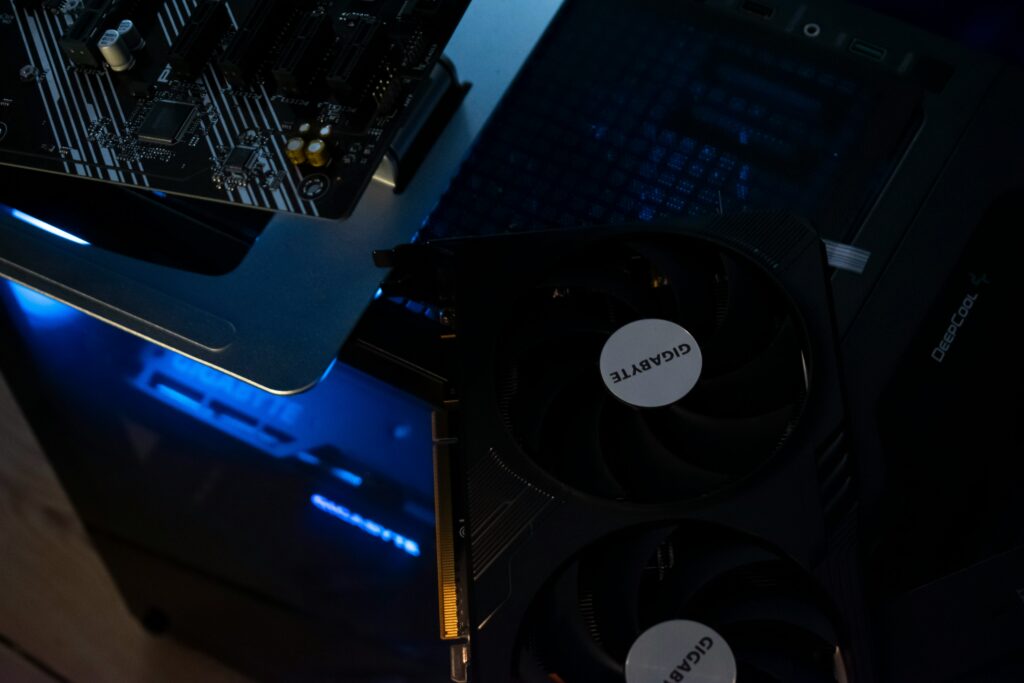
The Arrival of the Blackwell Architecture
In a significant milestone for the semiconductor industry, Nvidia has officially commenced the shipment of its Blackwell GPU architecture as of mid-November 2024. This release marks the culmination of intense engineering efforts following the initial announcement at GTC earlier this year. The Blackwell chip is not merely an incremental update; it represents a fundamental rethinking of how massive datasets are processed within a unified architecture. By utilizing a multi-die design and sophisticated interconnects, Nvidia is addressing the thermal and power constraints that have previously limited GPU scalability.
Data-Driven Insights and Performance Benchmarks
According to Bloomberg Tech, the production ramp-up is currently focused on meeting the immense demand from hyperscalers like Microsoft, Meta, and Oracle. Early data suggests that the Blackwell B200 GPUs provide a substantial improvement in floating-point operations per second (FLOPS) compared to the previous Hopper generation. The integration of the 5th-gen NVLink interconnect allows for seamless communication between GPUs, which is critical for training the next generation of large-scale models. Industry analysts note that this architectural shift is designed to lower the total cost of ownership by increasing throughput per watt.
Impact on Enterprise Infrastructure
For organizations, the shift to Blackwell is more than just a hardware upgrade—it is a transformation of workflow potential. In our previous discussion on optimizing enterprise automation, we emphasized the necessity of infrastructure parity. With Blackwell, companies can reduce the time required for model inference from days to hours. This creates an immediate advantage in sectors like finance, pharmaceutical research, and logistics, where real-time analysis of massive datasets is a primary competitive differentiator. The efficiency gains provided by the new hardware will likely lead to a surge in internal AI-driven initiatives as companies move beyond pilot projects into full-scale production.
Expert Predictions and Future Outlook
While the hardware is impressive, the real challenge lies in integration. Industry experts anticipate that the supply chain will remain constrained throughout the coming quarters as the market absorbs these units. Looking forward, the focus will likely shift toward liquid cooling solutions and modular data center designs to handle the thermal output of these high-density racks. We expect to see a ripple effect in the software ecosystem, where developers will need to refine their code to better utilize the specialized Tensor cores provided by the Blackwell series. This cycle of hardware-software co-evolution will define the technological leaders of the next decade.
Conclusion
The rollout of Nvidia’s Blackwell architecture is a definitive statement that the ceiling for computational performance continues to rise. For organizations looking to future-proof their operations, understanding the capabilities of this new generation of hardware is vital. As we monitor the impact of these GPUs on enterprise workflows, it remains clear that the convergence of robust infrastructure and intelligent systems will be the primary driver of digital transformation in the coming years.