
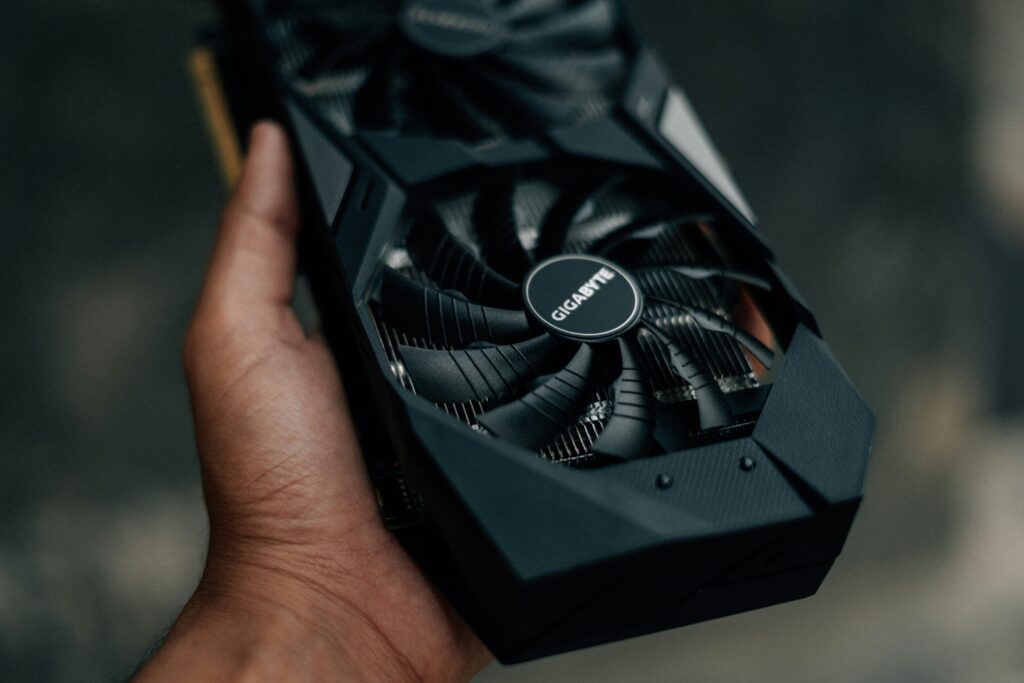
The Rise of Nvidia Blackwell Architecture
In the rapidly evolving world of hardware, Nvidia recently solidified its position as the market leader with the official rollout of its Blackwell-based B200 GPUs. Announced as the successor to the highly successful Hopper architecture, these GPUs are not merely an iterative update; they represent a fundamental redesign of how data flows through high-performance systems. For organizations relying on large-scale automation and heavy data processing, Blackwell introduces a level of interconnectivity and memory bandwidth that was previously theoretical.
Technical Prowess and Architectural Shifts
According to official reports and documentation from Nvidia, the Blackwell architecture utilizes a dual-die design connected by a high-speed link. This effectively allows the GPU to function as a single, unified processor. This design is critical for businesses that require real-time processing of massive datasets. As highlighted in a recent report by The Verge, the architecture is specifically optimized for efficiency in training complex large-scale models, reducing the energy footprint per computation significantly compared to its predecessors.
Impact on Industry Automation
What does this mean for the enterprise consulting sector? It means that workflows that once took weeks can now be optimized into days. The integration of Blackwell hardware into enterprise tech stacks allows for more granular automation, enabling businesses to leverage data-driven insights with lower latency. We have previously explored how to optimize infrastructure in our guide to scalable tech infrastructure, and Blackwell represents the next logical step in hardware-level optimization for that vision.
Expert Opinions and Future Outlook
Market analysts suggest that the deployment of Blackwell will define the competitive edge for firms over the next decade. By lowering the cost of computation, Nvidia is enabling startups and established enterprises alike to experiment with more sophisticated workflows without the traditional fiscal constraints of legacy hardware. Industry leaders speculate that this is just the beginning of a broader trend toward domain-specific hardware accelerators that will eventually replace general-purpose enterprise servers.
Conclusion
The Nvidia Blackwell GPU is undeniably a cornerstone for the future of digital infrastructure. While hardware procurement is only one part of a comprehensive strategy, understanding the capabilities of such tools is vital for any CTO looking to future-proof their organization. As we move forward, the convergence of high-end hardware and streamlined workflow automation will dictate which companies emerge as industry leaders.