
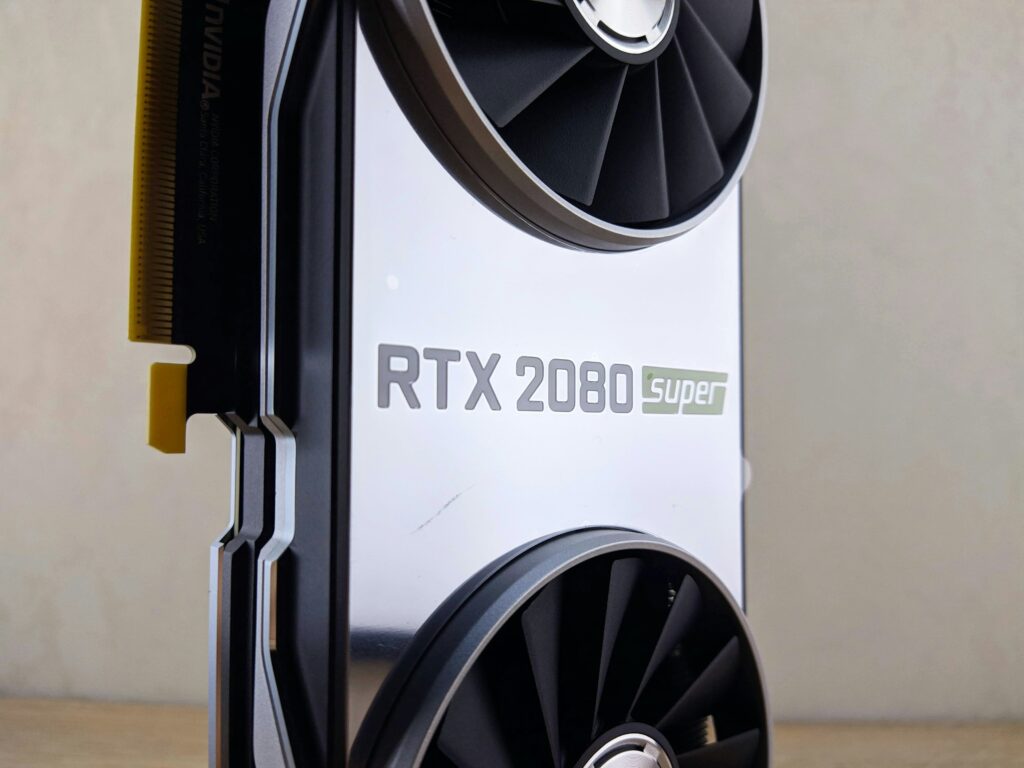
Nvidia’s official announcements in the past week have solidified the Blackwell architecture as the centerpiece of modern high-performance computing. Designed to handle the rigorous demands of trillion-parameter models, the Blackwell GPU is built on a custom-built 4NP TSMC process, featuring 208 billion transistors. This sheer volume of hardware power is designed to provide massive leaps in performance, energy efficiency, and scalability for companies managing complex, data-heavy workflows.
The Architectural Engineering Behind Blackwell
At the core of the Blackwell platform is the second-generation Transformer Engine. According to official company documentation, this engine uses new micro-tensor scaling support to optimize compute and model sizes for accelerated AI and HPC workloads. Unlike previous iterations, this hardware is specifically engineered to reduce communication overhead, which has historically been a bottleneck in large-scale cluster deployments. By integrating these GPUs into a unified platform, Nvidia is enabling a shift toward more seamless, efficient hardware orchestration.
Industry Impact and Scalability
For organizations, the deployment of Blackwell represents more than just raw speed. It is about total cost of ownership (TCO) and operational efficiency. In recent reports by The Verge, the demand for these chips has been described as ‘incredible,’ highlighting that top-tier hyperscalers are prioritizing these units to stay competitive. This hardware allows firms to train larger models faster while simultaneously reducing the energy footprint per inference—a critical factor for enterprises aiming to hit sustainability targets alongside growth goals.
As we examine how hardware integrates into corporate ecosystems, it is vital to remember that processing power is only as good as the software managing it. You can learn more about optimizing your internal operations through our guide on scaling technical infrastructure effectively.
Future Predictions and Expert Outlook
Industry analysts anticipate that the integration of Blackwell will lead to a new standard in hardware-software co-design. Rather than treating hardware as a commodity, companies are now looking for “full-stack” solutions where the physical GPU architecture directly informs the software framework efficiency. We expect to see more “system-on-rack” deployments in 2025, where the physical hardware footprint is minimized while computing throughput is maximized. The trend is moving away from standalone components toward cohesive, intelligent physical ecosystems.
Ultimately, while the technical specifications are impressive, the true value of the Blackwell series lies in its ability to democratize access to high-performance computing. As the hardware becomes more efficient, the barriers to entry for complex data simulation and advanced modeling will lower, allowing medium-to-large enterprises to leverage capabilities that were once exclusive to the largest tech conglomerates.