
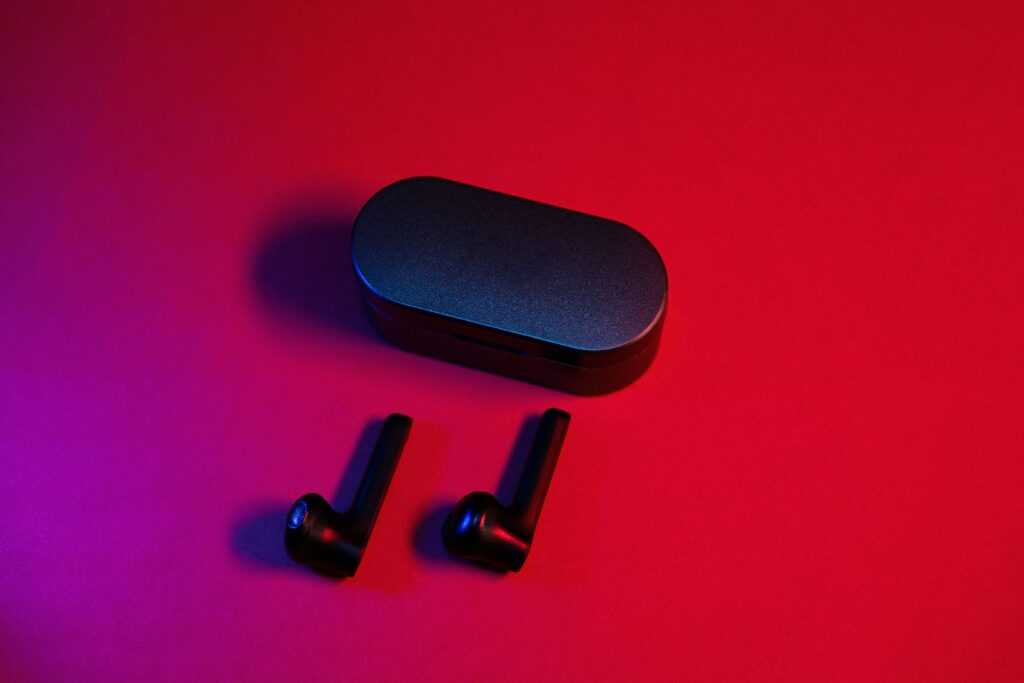
Wireless earbuds have evolved from a niche accessory to a ubiquitous gadget, fundamentally changing personal audio consumption. In 2024, the market is more competitive and feature-rich than ever, with advancements in sound quality, active noise cancellation (ANC), and battery life becoming standard expectations rather than premium luxuries. Industry analysts, such as those at IDC and Statista, consistently report robust growth in thehearables market, driven by consumer demand for convenience, portability, and increasingly sophisticated features. This surge underscores the importance of a well-informed decision for consumers looking to invest in a pair that truly enhances their auditory experience.
Key Factors to Consider Before You Buy
Navigating the myriad of choices requires a clear understanding of what truly matters. Here’s a breakdown of critical factors:
Sound Quality: Beyond the Bass
While many earbuds promise “immersive sound,” the reality varies. Look beyond marketing hype and consider the drivers – the small speakers inside. Larger drivers generally offer a broader frequency range, but optimization is key. Support for advanced audio codecs like Qualcomm’s aptX Adaptive, Sony’s LDAC, or Apple’s AAC (for Apple devices) can significantly improve audio fidelity over standard SBC. A balanced sound profile, clear mids, crisp highs, and defined bass are indicative of superior sound engineering. Some manufacturers also offer customizable EQ settings via companion apps, allowing users to tailor the audio to their preferences.
Active Noise Cancellation (ANC) & Transparency Mode
ANC technology has seen remarkable improvements, effectively silencing ambient noise from airplane engines to office chatter. Not all ANC is created equal; premium models offer multi-mode ANC that adapts to your environment. Equally important is the transparency or ambient mode, which allows external sounds to filter in, crucial for situational awareness when walking in busy streets or needing to hear announcements. Evaluate the effectiveness and naturalness of both modes, as they are pivotal for versatile daily use.
Battery Life: Powering Your Day
Battery longevity is a perennial concern. Most modern wireless earbuds offer between 6-10 hours of playtime on a single charge with ANC off, with the charging case providing an additional 2-4 full charges. Consider your daily usage patterns. If you’re a heavy user, prioritize earbuds with longer individual playtime and a case that supports fast charging or wireless charging. The convenience of a quick 10-minute charge providing hours of playback can be a game-changer for those always on the move.
Comfort, Fit, and Durability
An earbud’s fit is intensely personal and paramount for both sound quality and long-term comfort. Many come with multiple ear tip sizes (silicone, foam) to ensure a secure seal, which is vital for effective noise isolation and bass response. For fitness enthusiasts, look for an IP rating (e.g., IPX4 for sweat resistance or IPX7 for full waterproofing) to ensure durability against elements. Ergonomics play a significant role in preventing ear fatigue during extended listening sessions, so consider designs that contour naturally to the ear.
Connectivity and Smart Features
Modern earbuds utilize Bluetooth 5.2 or newer, offering improved stability, range, and power efficiency. Features like multipoint connectivity (allowing simultaneous pairing with two devices) and quick pairing enhance user convenience. Companion apps often unlock advanced features such as customizable controls, sound profiles, ‘find my earbuds’ functions, and firmware updates. Spatial audio, popularized by Apple and now found in various forms, creates an immersive, theatrical sound experience that moves with your head, adding another dimension to entertainment.
Impact on Users and Industry Trends
The continuous refinement of wireless earbuds has a profound impact on user experience, blending seamlessly into daily routines. They empower users with unparalleled freedom, enhancing productivity during commutes, providing motivation during workouts, and delivering personalized entertainment anywhere. For the industry, the fierce competition drives innovation, pushing manufacturers to integrate smarter sensors for health tracking (e.g., heart rate, body temperature), develop more adaptive sound technologies, and focus on sustainable manufacturing practices. The trend is moving towards ‘hearables’ – devices that do more than just play audio, becoming discreet personal assistants or health monitors.
The Future of Personal Audio: What’s Next?
Looking ahead, the future of wireless earbuds promises even more integration with our digital lives. We can expect more sophisticated biometric sensors, AI-driven sound personalization that adapts to ambient noise and user preferences in real-time, and enhanced AR capabilities that blend digital audio with the physical world. Seamless multi-device connectivity will become a standard, allowing effortless transitions between smartphones, tablets, and smart glasses. The ultimate goal is to create an invisible computing experience, where audio becomes an intuitive interface for interacting with technology. For a deeper dive into optimizing your audio experience across devices, check out our guide on Optimizing Smartphone Audio Settings.
Making Your Smarter Choice
Choosing the best wireless earbuds in 2024 is ultimately about aligning features with your personal priorities. Whether you prioritize pristine sound, superior noise cancellation, rugged durability, or smart features, a careful evaluation of these key factors will lead you to a satisfactory purchase. Remember that the perfect pair is one that meets your specific needs and enhances your daily life, not necessarily the most expensive or feature-packed option. For unbiased comparisons and detailed reviews of the latest models, reputable sources like The Verge’s earbud reviews offer excellent insights.