
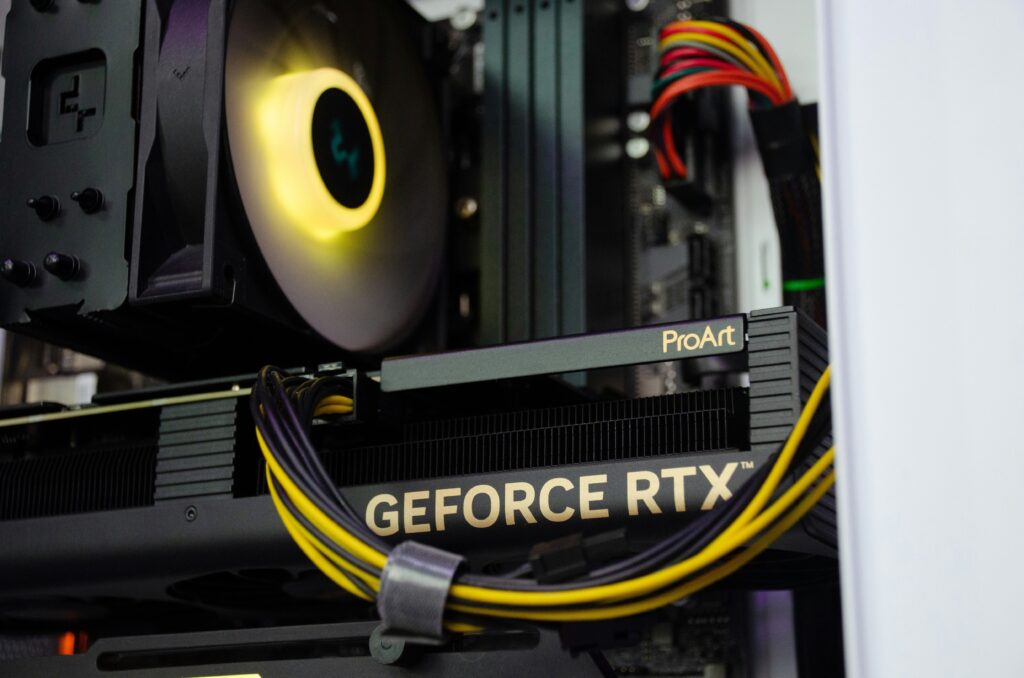
The Dawn of a New Era: Industry Whispers and Leaked Specifications
The tech rumor mill is abuzz with details surrounding NVIDIA’s next generation of graphics processing units, widely speculated to be based on the Blackwell architecture for consumers. Following the impressive but power-hungry Ada Lovelace series, enthusiasts and professionals are eager for what comes next. While official announcements remain under wraps, leaked specifications and industry analysis suggest a significant leap forward in raw processing power and efficiency.
Reports from credible tech sources, such as those often found on sites like Tom’s Hardware, point towards a refined manufacturing process, potentially leveraging advanced nodes from TSMC. This could translate into higher transistor counts, improved clock speeds, and significantly better power efficiency compared to current offerings. Early estimates hint at substantial gains in shader and RT core performance, crucial for demanding modern games and rendering tasks.
Architectural Innovations Driving Unprecedented Performance
The expected Blackwell architecture is rumored to introduce several key innovations. Beyond sheer core count increases, speculation includes advancements in NVIDIA’s Tensor Cores, which are vital for AI-driven features like DLSS (Deep Learning Super Sampling) and various AI inference applications. Imagine even sharper upscaling, more intelligent frame generation, and potentially new AI-powered graphics techniques that could blur the lines between reality and pixels.
Memory bandwidth is another critical area poised for an upgrade. With the advent of GDDR7 memory, **Next-Gen GPUs** could feature significantly faster data transfer rates, alleviating bottlenecks that can hinder performance at ultra-high resolutions and in complex scenes. This combination of processing power, AI acceleration, and memory throughput is set to establish a new benchmark for gaming and content creation.
Impact on Gaming, Content Creation, and Beyond
The arrival of these powerful new GPUs will have a profound impact across various sectors:
- For Gamers: Expect unparalleled frame rates at 4K and even 8K resolutions, with ray tracing becoming more commonplace and less performance-intensive. VR and AR experiences will become more immersive and realistic, pushing the boundaries of virtual worlds.
- For Content Creators: Video editors, 3D artists, and animators will see drastic reductions in rendering times, allowing for faster iterations and more complex projects. Real-time rendering in applications will become smoother and more accurate.
- For AI & Research: The enhanced Tensor Cores will further accelerate AI development, machine learning training, and data analysis, opening new avenues for scientific discovery and intelligent system development.
The competitive landscape will also be invigorated, pushing rival manufacturers to innovate further, ultimately benefiting consumers with more choice and better technology. This cycle of innovation is what keeps the tech industry vibrant and forward-moving.
The Future Outlook: Shaping Tomorrow’s Computing Experience
Industry experts predict that these **Next-Gen GPUs** will not just be faster; they will be smarter and more integrated into the broader computing ecosystem. We could see a future where GPUs play an even larger role in edge computing, powering localized AI tasks and complex simulations outside traditional data centers. The drive towards hyper-realistic graphics and interactive environments is relentless, and NVIDIA’s upcoming hardware is a key enabler of this vision.
As these devices become more efficient, they also contribute to the ongoing conversation about sustainable computing, delivering more performance per watt. This blend of raw power, intelligent features, and thoughtful design is what makes each new generation of hardware so exciting.
To learn more about maximizing your current setup and preparing for future upgrades, check out our guide on Optimizing Your Gaming Rig for Peak Performance.