
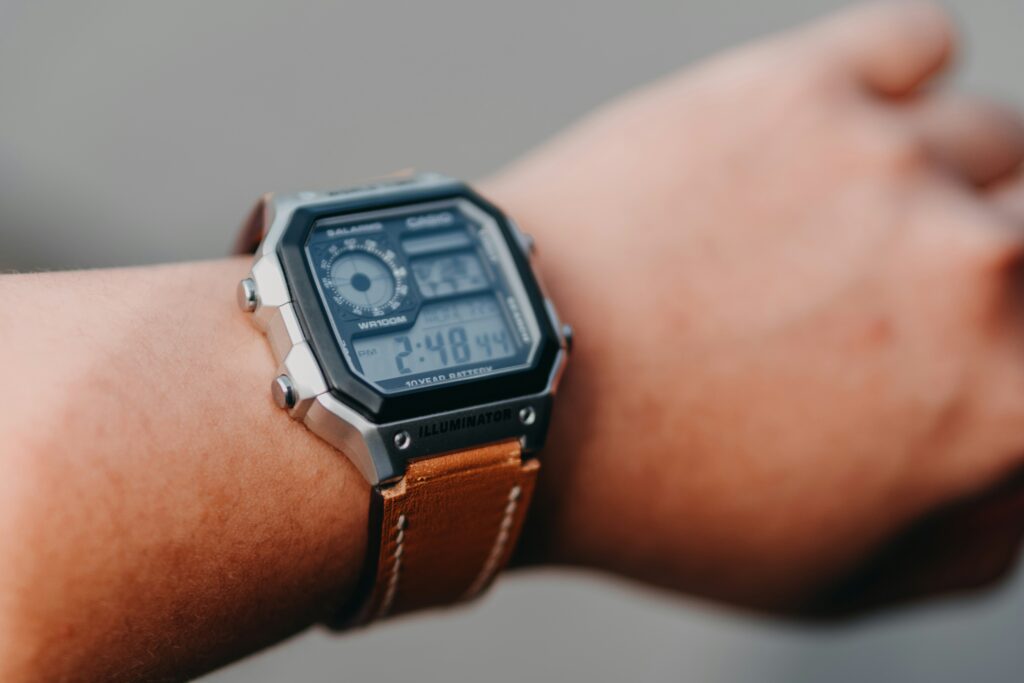
Smartwatches have evolved from niche gadgets to mainstream accessories, with millions relying on them for everything from health monitoring to quick communication. The past year alone has seen significant advancements in sensor technology, battery life, and integration with broader smart ecosystems. Major players like Apple, Samsung, and Garmin continue to push boundaries, introducing models that offer more personalized insights and seamless user experiences.
The Current State of the Smartwatch Market
According to recent reports from Counterpoint Research, the global smartwatch market witnessed a steady growth in shipments throughout 2023, largely driven by strong demand for advanced health tracking features and improved design aesthetics. Apple continues to dominate with its Watch series, maintaining a significant market share, followed closely by Samsung’s Galaxy Watch line and Garmin, which excels in the fitness and outdoor segments. Other brands like Fitbit (now part of Google), Huawei, and various smaller players also contribute to a diverse and competitive landscape.
This growth is not just about quantity but also quality. We’re seeing more sophisticated features become standard, such as ECG capabilities, blood oxygen monitoring (SpO2), advanced sleep tracking, and even temperature sensing. These technologies, once exclusive to high-end medical devices, are now readily available on our wrists, empowering users with greater insight into their well-being. For example, the latest Apple Watch Ultra models introduced enhanced GPS for extreme sports and extended battery life, catering to a more adventurous demographic.
Impact on Users and Industries
The proliferation of smartwatches has had a profound impact. For individuals, they serve as a constant health coach, encouraging activity, monitoring heart health, and providing timely reminders. This proactive approach to health can lead to better lifestyle choices and earlier detection of potential issues. Beyond health, smartwatches streamline daily tasks, allowing users to manage notifications, control smart home devices, and make contactless payments without needing to pull out their smartphone.
In the healthcare industry, smartwatches are increasingly being explored for remote patient monitoring and preventative care. Data collected from wearables can offer valuable insights to medical professionals, potentially reducing hospital visits and improving long-term health outcomes. The fitness industry has also been revolutionized, with smartwatches becoming essential tools for athletes and casual exercisers alike, offering precise tracking for a multitude of activities and detailed performance metrics. Businesses are also seeing the benefit, with enterprise-grade wearables beginning to emerge for specific workflow optimizations.
Choosing Your Ideal Smartwatch: Key Considerations
1. Ecosystem Compatibility
The first and most crucial step in choosing a smartwatch is to consider your existing smartphone ecosystem. Apple Watches work exclusively with iPhones, offering the most seamless integration. Samsung Galaxy Watches are best paired with Android phones, especially Samsung devices, though they offer broader Android compatibility. Other brands like Garmin and Fitbit generally offer cross-platform compatibility, but their feature sets might be more limited depending on your phone’s OS. A tight ecosystem integration ensures you get the most out of your device’s features, from notification sync to app availability.
2. Purpose and Features
Are you primarily looking for a fitness tracker, a communication hub, or a comprehensive health monitor? Smartwatches vary significantly in their feature sets:
- Fitness & Sports: Look for robust GPS, water resistance, multiple sport modes, and detailed metrics. Garmin, Coros, and some Fitbit models excel here.
- Health Monitoring: ECG, SpO2, skin temperature sensing, advanced sleep analysis, and fall detection are becoming standard. Apple Watch and Samsung Galaxy Watch are leaders.
- Smart Features: Cellular connectivity, NFC for payments, voice assistants, and extensive app stores define a true ‘smart’ experience.
3. Design and Comfort
A smartwatch is worn daily, so comfort and aesthetics matter. Consider the size of the watch face, the material of the case (aluminum, stainless steel, titanium), and the variety of strap options. Many brands offer extensive customization, allowing you to personalize your device to match your style. Read honest insights from The Verge’s recent smartwatch comparison for detailed design reviews.
4. Battery Life
Battery life can range from a single day for full-featured smartwatches with always-on displays to several weeks for more fitness-focused models with less sophisticated screens. Decide what’s acceptable for your routine. Do you mind charging daily, or do you need something that lasts through extended trips?
The Future of Wearable Technology
Looking ahead, expert opinions suggest that smartwatches will become even more integral to our digital lives. We can expect further advancements in non-invasive health monitoring, potentially including continuous blood glucose tracking and more sophisticated vital sign analysis. Seamless integration with emerging technologies like augmented reality (AR) and virtual reality (VR) is also on the horizon, positioning smartwatches as key control interfaces. Battery technology will continue to improve, and connectivity options will expand, possibly leading to truly standalone smartwatches that require minimal interaction with a smartphone.
Conclusion
Choosing the best smartwatch isn’t about finding the ‘most powerful’ device, but rather the one that best aligns with your personal needs, lifestyle, and existing tech ecosystem. By carefully considering compatibility, features, design, and battery life, you can make an informed decision and invest in a wearable that truly enhances your daily experience. Stay updated on the latest wearable innovations by exploring our wearable tech insights here at ByteTechScope, ensuring you always make smarter tech choices.