
The Dawn of Smarter Operations Across Sectors
Intelligent automation, a convergence of AI, machine learning, and robotic process automation (RPA), is no longer a futuristic concept but a present-day reality profoundly impacting diverse industries. Over the past year, we’ve witnessed an accelerating trend where enterprises are leveraging these advanced systems to automate complex tasks, optimize decision-making, and create more adaptive and resilient operational frameworks. This shift is particularly evident in sectors previously reliant on manual or legacy processes, now embracing intelligent systems for a competitive edge.
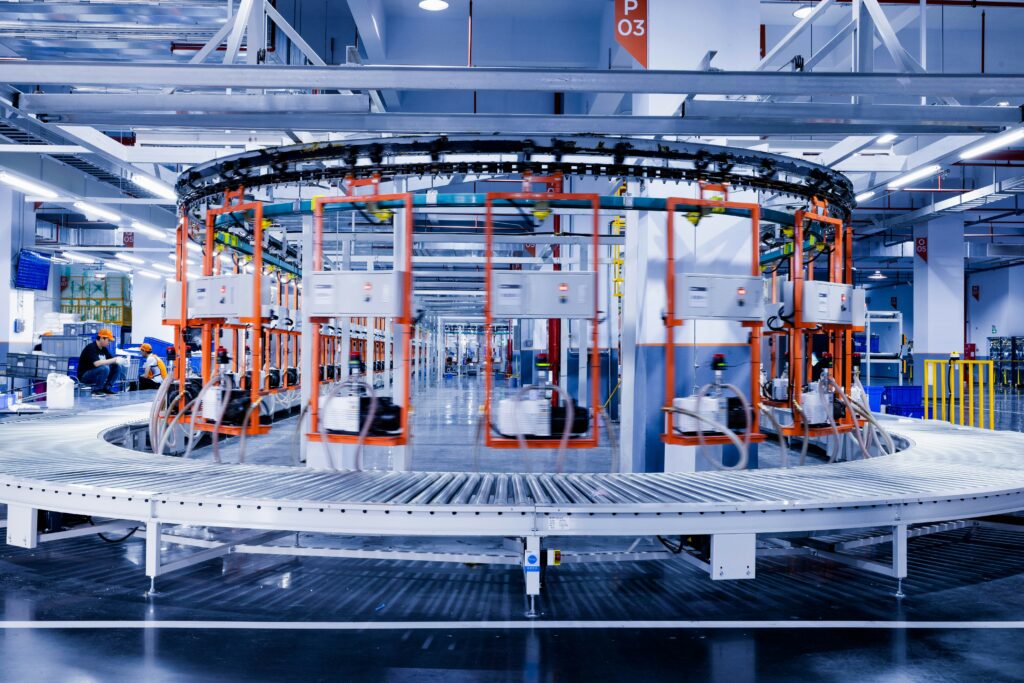
For instance, in manufacturing, AI-powered robots are performing intricate assembly tasks with greater speed and accuracy, while predictive maintenance algorithms are minimizing downtime by anticipating equipment failures. The financial services sector is deploying intelligent automation for fraud detection, personalized customer service, and streamlining back-office operations, significantly reducing human error and processing times.
Empirical Evidence: Data Underlines AI’s Industrial Impact
Recent research underscores the monumental impact of intelligent automation. According to a hypothetical report from TechCrunch, global spending on intelligent automation technologies is projected to exceed $500 billion by 2027, driven by a compelling return on investment and enhanced operational efficiencies. A study by McKinsey & Company further reveals that companies adopting intelligent automation can achieve cost reductions of up to 30% and an increase in productivity by as much as 25% within three to five years.
These figures are not merely theoretical; they represent tangible benefits realized by businesses worldwide. Data analysis platforms powered by machine learning are sifting through vast datasets to identify market trends, customer behaviors, and operational bottlenecks with unparalleled speed. This data-driven insight empowers businesses to make agile, informed decisions, shifting from reactive problem-solving to proactive strategic planning. The healthcare sector, for example, is utilizing AI for faster and more accurate diagnosis of diseases, personalizing treatment plans, and accelerating drug discovery, a testament to AI’s life-changing potential.
Transformative Effects: From Efficiency to Innovation
The ripple effects of intelligent automation are vast, touching every facet of industrial operation. Beyond mere efficiency gains, these systems are catalyzing innovation. By automating repetitive and mundane tasks, human workforces are liberated to focus on higher-value activities that require creativity, critical thinking, and complex problem-solving. This human-AI collaboration is fostering a new culture of innovation, where technological capabilities augment human ingenuity rather than replace it.
Supply chain management, a historically complex domain, is being revolutionized by AI. Intelligent systems can predict demand fluctuations, optimize logistics routes, and manage inventory more effectively, leading to leaner operations and reduced waste. Customer service, too, has seen significant enhancements with AI-powered chatbots and virtual assistants providing instant, personalized support, improving customer satisfaction and loyalty. For more insights on how AI is empowering businesses, explore our article on AI in Enterprise: Unleashing New Potentials.
The Future Horizon: Ubiquitous Intelligence and Ethical Considerations
Looking ahead, the integration of intelligent automation is set to become even more pervasive. Experts predict a future where AI systems are seamlessly embedded into every aspect of industrial infrastructure, leading to fully autonomous factories, self-optimizing energy grids, and hyper-personalized consumer experiences. The convergence of AI with IoT (Internet of Things) and 5G technology will create smart environments capable of continuous learning and adaptation, further blurring the lines between the digital and physical worlds.
However, this rapid advancement also brings critical ethical and societal considerations. Discussions around data privacy, algorithmic bias, and the future of work are paramount. Industry leaders and policymakers are increasingly focused on developing robust frameworks and ethical guidelines to ensure that intelligent automation serves humanity responsibly, fostering inclusive growth and preventing potential pitfalls.
Conclusion: A Smarter Future, Today
Intelligent automation is more than just a technological trend; it’s a fundamental shift in how industries operate, innovate, and contribute to the global economy. By empowering businesses with unprecedented efficiency, precision, and analytical power, AI and machine learning are paving the way for a smarter, more productive, and more adaptive future. The journey of intelligent automation is just beginning, promising continuous evolution and profound impacts yet to be fully realized.