
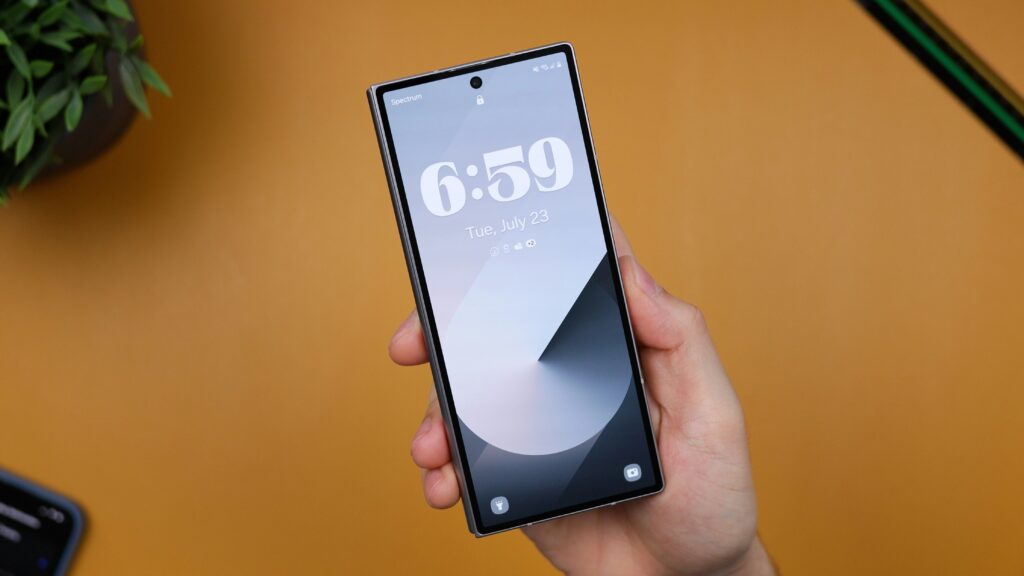
The landscape of mobile technology is constantly shifting, and few innovations have captivated the public imagination quite like foldable smartphones. From Samsung’s pioneering Galaxy Z Fold and Flip series to newer contenders like Google’s Pixel Fold and OnePlus Open, these devices have pushed the boundaries of what a smartphone can be. However, the current generation, while impressive, still presents challenges such as visible display creases, thickness, and concerns over long-term durability. These initial hurdles are merely stepping stones towards a far more sophisticated and robust future foldable smartphones market, one that promises to integrate seamlessly into our lives with unprecedented flexibility.
The Next Frontier: Beyond the Fold
The initial wave of foldable phones, spearheaded by giants like Samsung and Huawei, introduced us to the concept of a pocketable device that transforms into a tablet. While groundbreaking, these early models have highlighted areas ripe for improvement. Consumers still express concerns about the longevity of the flexible displays, the prominence of the display crease, and the overall bulkiness compared to traditional slab phones. Yet, behind the scenes, tech innovators are working tirelessly, filing patents and refining prototypes that promise to address these very issues and usher in a truly revolutionary era for mobile devices.
Industry analysts widely predict a significant surge in the adoption of foldables. According to Counterpoint Research, the global foldable smartphone market is projected to grow substantially, with shipments expected to exceed 100 million units by 2027. This growth is fueled by continuous innovation and decreasing production costs. Companies like Samsung Display and LG Display are heavily investing in next-generation flexible OLED technologies, exploring new substrate materials and encapsulation methods that enhance both durability and optical clarity. These advancements are crucial for mitigating the infamous display crease and protecting the delicate screen from external pressures, building on recent trends in innovation in smartphone displays.
Breakthroughs in Display Technology and Durability
The core of future foldable smartphones lies in their displays. We are on the cusp of seeing micro-LED technology integrate into flexible panels, offering unparalleled brightness, contrast, and energy efficiency without compromising flexibility. Furthermore, advancements in self-healing polymers and ultra-thin, flexible ceramic glass (beyond current UTG) are set to dramatically improve screen resilience, making accidental damage a less frequent concern. Imagine a display that can literally mend minor scratches over time, adapting to daily wear and tear. This leap in material science will not only extend the lifespan of these intricate devices but also open doors for even more aggressive folding and rolling designs.
Revolutionary Hinge Mechanisms and Form Factors
Beyond the screen, hinge mechanisms are undergoing a radical transformation. Current waterdrop hinges have already reduced the crease significantly, but the next generation promises multi-axis designs that allow for entirely new folding patterns. Envision tri-fold devices that offer a triple-screen experience, or Z-fold designs that provide a larger, more conventional tablet when fully unfolded. The concept of rollable phones, where the display extends from a compact housing at the touch of a button, is also moving closer to commercial reality. These innovations blur the lines between smartphones, tablets, and even smartwatches, offering an unprecedented level of adaptability tailored to diverse user needs.
Impact on Users, Industry, and the Future of Computing
The advent of these next-gen foldable smartphones will have profound implications across industries. For users, it means a truly versatile device that can seamlessly transition from a compact phone for calls and quick tasks to a large-screen canvas for professional work, immersive gaming, or media consumption. Designers and app developers will face new opportunities and challenges in creating adaptive user interfaces that fluidly adjust to varying screen sizes and orientations. This shift could accelerate the development of more intuitive gestural controls and AI-powered context-aware applications that anticipate user needs based on the device’s current form factor. The distinction between a phone and a tablet will fade, giving way to a singular, shape-shifting computing companion.
Experts like Ross Young of DSCC often highlight the rapid pace of innovation in the foldable segment, predicting that within the next few years, foldables will shed their “niche” status and become a significant portion of the premium smartphone market. The cost barrier, once a major deterrent, is also expected to decrease as manufacturing processes mature and competition intensifies. Furthermore, as these devices become more sophisticated, we can anticipate deeper integration with AI, allowing the device to intelligently switch modes, optimize battery life, and personalize experiences based on usage patterns and environmental factors. The future foldable smartphones aren’t just about bending screens; they’re about intelligent, adaptable computing at our fingertips.
In conclusion, the journey of the foldable smartphone is far from over; in fact, it’s just beginning to hit its stride. The rapid advancements in display technology, hinge design, and material science are paving the way for devices that are not only more durable and aesthetically pleasing but also profoundly more functional and versatile. As we look ahead, the promise of a truly seamless, adaptable mobile experience is within reach, transforming our interactions with technology in exciting, unforeseen ways.