
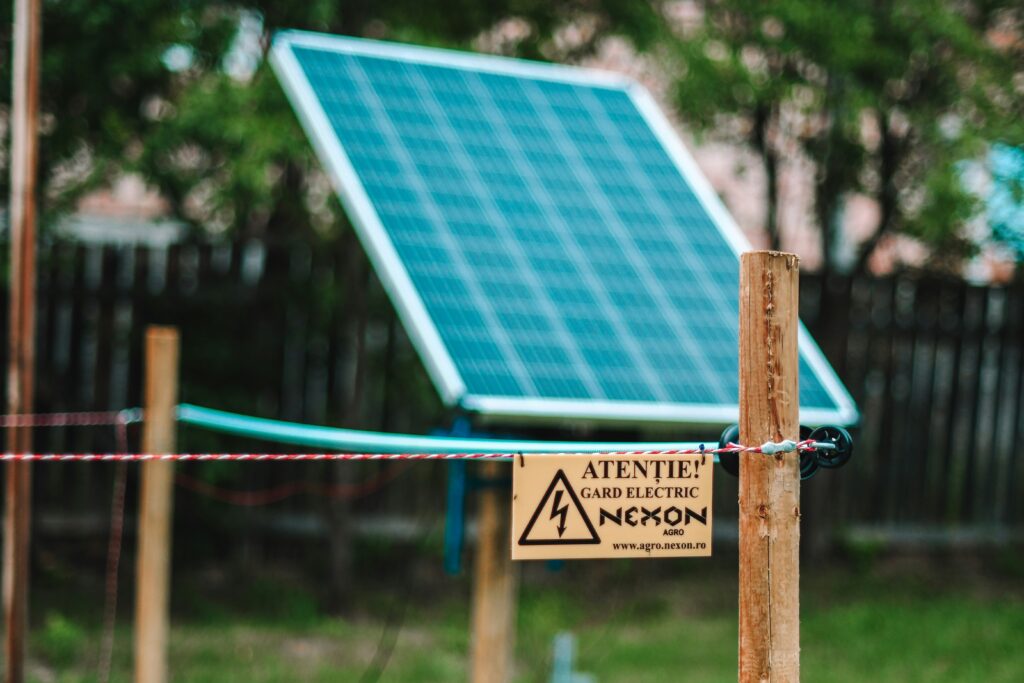
In recent years, the urgency of climate change has catalyzed a monumental shift in venture capital and entrepreneurial focus. We are witnessing a remarkable acceleration in the growth and funding of **Climate Tech Startups**, as innovators and investors alike recognize the dual opportunity of addressing environmental challenges while creating immense economic value. This isn’t just a trend; it’s a fundamental reorientation of the global economy towards sustainable practices and groundbreaking green technologies.
The Surge in Investment: A Green Gold Rush
The past few years have seen a dramatic increase in capital flowing into climate tech. According to a recent report by PwC and the analysis from TechCrunch, global venture capital investment in climate tech surged significantly in 2023, exceeding previous records. This influx of capital isn’t just coming from specialized green funds; traditional venture capital firms and corporate investors are increasingly allocating substantial portions of their portfolios to sustainable solutions. This signals a broad market conviction that climate tech is not only necessary but also highly profitable.
Key areas attracting massive investment include renewable energy generation and storage, sustainable agriculture and food tech, carbon capture and utilization, electric vehicles and infrastructure, and circular economy solutions. Companies developing next-generation batteries, advanced biofuels, precision agriculture platforms, and efficient building materials are securing nine-figure funding rounds, underscoring investor confidence in their potential to scale and deliver impactful results.
Disrupting Industries and Empowering Change
The impact of these **Climate Tech Startups** reverberates across multiple sectors. In energy, innovations in solar, wind, geothermal, and fusion power are challenging the dominance of fossil fuels, promising cleaner and more resilient grids. For instance, startups are developing modular nuclear reactors, advanced grid management AI, and long-duration energy storage solutions that could stabilize renewable energy intermittency.
In agriculture, vertical farms, alternative protein companies, and precision farming technologies are revolutionizing food production, aiming to reduce land use, water consumption, and greenhouse gas emissions. These innovations not only address food security but also offer healthier, more sustainable consumption choices for consumers. Beyond specific industries, these startups are fostering an ecosystem of sustainability, creating new jobs, driving technological advancements, and offering businesses novel ways to reduce their environmental footprint and enhance their corporate social responsibility.
The Road Ahead: Expert Predictions and Future Outlook
Experts widely predict that the growth trajectory for **Climate Tech Startups** will continue its steep ascent. Venture capitalists and industry analysts emphasize that technological advancements, coupled with supportive government policies and increasing consumer demand for sustainable products, will fuel this expansion. The focus is shifting beyond mere emissions reduction to broader concepts of climate resilience, adaptation, and restorative practices.
For example, firms like Breakthrough Energy Ventures, founded by Bill Gates, are actively investing in ‘hard tech’ solutions that often require longer development cycles but promise transformative impact. The consensus among these pioneers is that the next decade will see a proliferation of climate tech solutions becoming mainstream, integrated into every facet of our economy and daily lives. The challenge now lies in scaling these innovations effectively and ensuring equitable access to their benefits globally. For more insights on how technology is shaping a sustainable future, explore our article on Navigating the Sustainable Tech Landscape.
Conclusion: A Sustainable Future, Tech-Driven
The rise of **Climate Tech Startups** is more than just an investment trend; it represents a collective commitment to building a more sustainable and resilient future. These entrepreneurial endeavors are demonstrating that addressing the world’s most pressing environmental challenges can go hand-in-hand with technological innovation and economic prosperity. As these companies grow and their solutions mature, they promise to deliver not only significant environmental benefits but also substantial returns for those bold enough to invest in a greener tomorrow.