
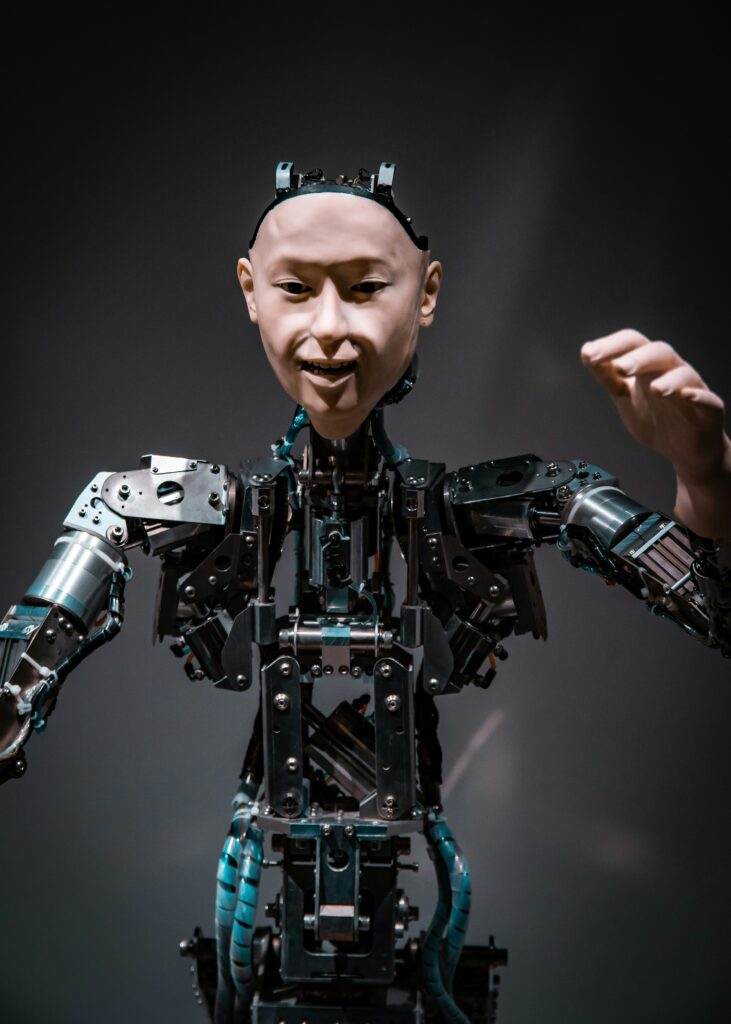
The industrial landscape is witnessing a seismic shift as artificial intelligence and machine learning move from experimental labs to the core of operational strategies. Recent advancements, particularly in areas like predictive analytics, intelligent automation, and real-time process optimization, are setting new benchmarks for efficiency and productivity. For instance, major industrial players like Siemens and General Electric have recently announced significant investments and rollouts of AI-powered platforms aimed at revolutionizing their manufacturing processes. These platforms leverage vast datasets from IoT sensors, robotic systems, and enterprise software to identify patterns, predict failures, and recommend optimal operational adjustments, often in real-time. The goal is clear: to move from reactive maintenance and siloed operations to proactive, interconnected, and highly optimized production ecosystems.
The Data-Driven Edge: Insights from Industry Leaders
The impact of intelligent systems is not just anecdotal; it’s backed by robust data and extensive research. A recent report by Accenture projects that AI could boost manufacturing productivity by up to 40% by 2035, primarily through enhanced automation, improved quality control, and optimized resource utilization. Furthermore, a study by McKinsey & Company highlights that companies adopting AI in their supply chain management have reported a 15% reduction in inventory costs and up to a 30% improvement in forecasting accuracy. These figures underscore the profound economic advantages for early adopters. Industry experts, like Dr. Anya Sharma, head of AI research at Dynatech Solutions, emphasize that “the true power of AI in manufacturing lies not just in automation, but in its ability to extract actionable intelligence from complex operational data, turning raw information into strategic foresight.” This shift enables manufacturers to anticipate issues before they arise, optimize energy consumption, and ensure product quality with unprecedented precision.
Transforming Production: From Reactive to Proactive
The practical implications of this AI industry transformation are far-reaching. In manufacturing, intelligent systems are enabling the future of industrial automation through technologies like computer vision for defect detection, machine learning algorithms for optimizing production line speeds, and predictive maintenance solutions that anticipate equipment failures, drastically reducing downtime and maintenance costs. For example, rather than following rigid maintenance schedules, AI systems analyze sensor data (temperature, vibration, pressure) to predict when a machine part is likely to fail, allowing for scheduled maintenance during non-production hours. In the supply chain, AI algorithms optimize routing, manage inventory levels across global networks, and predict demand fluctuations with greater accuracy, leading to leaner operations and reduced waste. This capability was particularly crucial during recent global disruptions, demonstrating the resilience that AI can inject into complex logistical challenges. The workforce also benefits, as AI takes over repetitive and hazardous tasks, allowing human employees to focus on more strategic, creative, and problem-solving roles, often requiring upskilling in data interpretation and system management.
Future Outlook: Towards Autonomous and Sustainable Factories
Looking ahead, the convergence of AI with other emerging technologies like the Industrial Internet of Things (IIoT), digital twins, and edge computing paints a picture of fully autonomous and highly sustainable factories. Experts predict that within the next decade, we will see a significant rise in lights-out manufacturing facilities, where AI-powered robots and intelligent systems operate with minimal human intervention. This future vision isn’t just about efficiency; it’s also about sustainability. AI can optimize energy consumption, reduce material waste through precise manufacturing, and even design more eco-friendly products and processes. Dr. Mark Johnson, a renowned futurist specializing in industrial tech, shared in a recent interview that “the next wave of AI will not only make factories smarter but also significantly greener, aligning economic growth with environmental responsibility.” This holistic approach to industrial intelligence underscores a future where technology, profitability, and planetary health are inextricably linked.
In conclusion, the integration of AI and machine learning is not merely an incremental improvement; it is a fundamental re-architecture of industrial operations. From enhancing efficiency and reducing costs to fostering innovation and building resilience, intelligent systems are undeniably a game-changer across manufacturing and supply chain sectors. Embracing this technological wave is no longer an option but a strategic imperative for any business aiming to thrive in the competitive global economy. To delve deeper into the specific ways AI is transforming logistics, you might be interested in TechCrunch’s recent report on AI in supply chains.