
In recent years, the concept of Artificial Intelligence has evolved dramatically, moving beyond simple automation to sophisticated autonomy. The latest wave of innovation centers around AI Agents – intelligent systems designed to understand goals, plan actions, execute them, and learn from outcomes in dynamic environments. Unlike traditional software, these agents possess a degree of reasoning and adaptability that allows them to tackle multi-step processes and make decisions on the fly. This breakthrough capability is rapidly reshaping how industries operate globally. For instance, frameworks and research initiatives are continually pushing the boundaries, demonstrating agents capable of autonomously generating code, managing projects, or even conducting scientific experiments.
The Rise of Autonomous AI Agents in Industry
The progression of AI from reactive algorithms to proactive agents is a significant milestone. These systems leverage advanced machine learning models, including large language models (LLMs) and reinforcement learning, to perceive their environment, process information, and act intelligently. This enables them to perform tasks that previously required human cognitive effort, such as data analysis, strategic planning, and complex problem-solving. A recent report by Bloomberg Intelligence predicts that generative AI, the underlying technology for many AI agents, could add trillions of dollars to the global economy over the next decade. This growth is largely fueled by the efficiency gains and new capabilities that AI agents bring to the table.
Transforming Operations Across Diverse Sectors
The impact of autonomous AI Agents is being felt across a multitude of industries:
- Software Development: AI agents can now write, debug, and optimize code, accelerating development cycles and reducing human error. They can manage entire software projects, from requirements gathering to deployment.
- Customer Service: Beyond chatbots, intelligent agents can handle complex customer inquiries, personalize service, and even predict customer needs, leading to enhanced satisfaction and reduced operational costs.
- Supply Chain Management: Agents can optimize logistics, predict demand fluctuations, manage inventory, and identify potential disruptions before they occur, ensuring smoother and more resilient supply chains.
- Healthcare: From drug discovery to personalized treatment plans, AI agents are assisting medical professionals in analyzing vast datasets, identifying patterns, and even automating routine administrative tasks, freeing up valuable human resources.
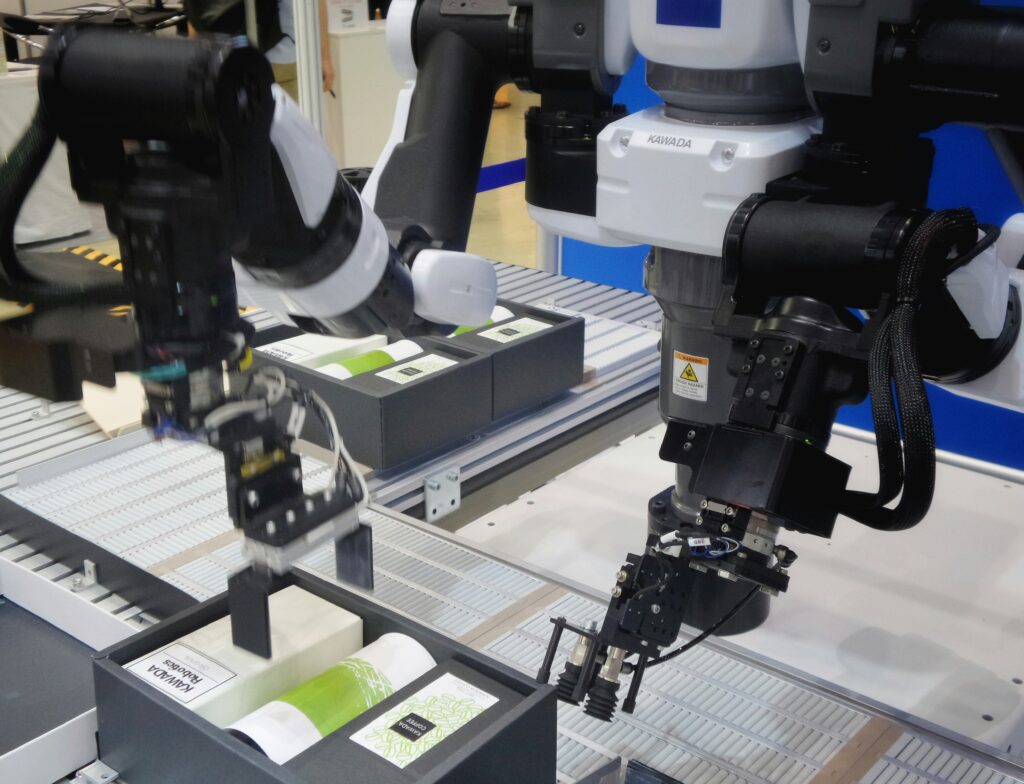
- Manufacturing: In smart factories, AI agents can monitor production lines, predict equipment failures, and optimize manufacturing processes for efficiency and quality control.
The ability of these agents to learn and adapt makes them incredibly valuable assets, capable of continuous improvement without constant reprogramming. This adaptability is crucial in fast-evolving markets and complex operational environments.
Challenges and the Future Outlook
While the potential of AI Agents is immense, their deployment also comes with challenges. Ethical considerations, data privacy, accountability, and the impact on the job market are crucial areas that require careful consideration and regulation. Experts predict a future where human-AI collaboration becomes the norm, with agents handling routine and complex analytical tasks, allowing human workers to focus on creativity, strategic thinking, and interpersonal interactions. This shift will necessitate new skill sets and a reimagining of traditional roles.
As these intelligent systems become more sophisticated, they will increasingly take on roles that require initiative and decision-making, moving beyond mere execution. This progression suggests a future where entire business functions could be orchestrated by interconnected AI agents, leading to truly autonomous enterprise operations. The ongoing research and development in areas like multi-agent systems and explainable AI are paving the way for more robust and trustworthy deployments.
In conclusion, the rise of autonomous AI Agents represents a pivotal moment in the evolution of technology and industry. Their capacity to automate complex tasks, drive efficiency, and foster innovation is undeniable. While challenges remain, the transformative power of these intelligent systems promises a future of unparalleled automation and strategic advancement. Businesses that embrace and strategically integrate these agents will be at the forefront of the next industrial revolution, unlocking new potentials for growth and competitiveness. To stay ahead, understanding and leveraging these advancements is paramount. You can find more insights on similar topics at The Power of AI: Transforming Industries and Shaping Our Future.