
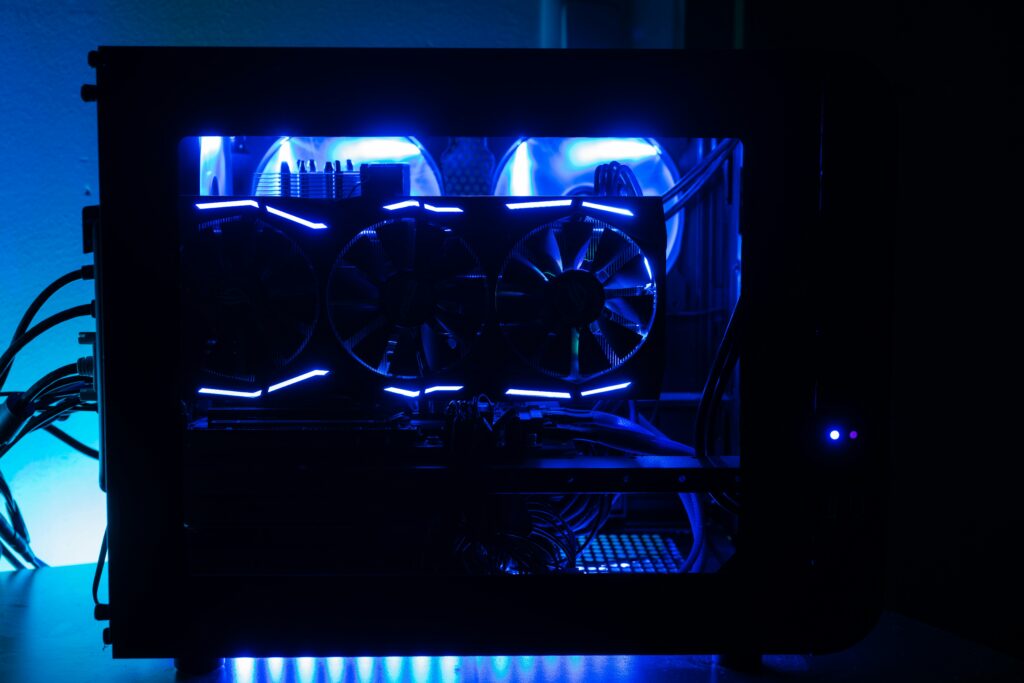
The excitement among PC enthusiasts and tech professionals is palpable as rumors surrounding NVIDIA’s next-generation graphics processing units, the **RTX 5000** series, continue to proliferate. Speculation points towards an unveiling leveraging the highly anticipated Blackwell architecture, codenamed GB202 for the flagship chip. This architecture is rumored to bring significant advancements over the current Ada Lovelace generation (RTX 4000 series), promising a substantial uplift in raw performance, improved ray tracing capabilities, and enhanced AI-driven features like DLSS (Deep Learning Super Sampling). While an official announcement from NVIDIA is still pending, industry insiders and prominent leakers suggest a potential launch window of late 2024 or early 2025, setting the stage for what could be a monumental shift in high-end computing.
Blackwell Architecture: The Core of Future Performance
For years, NVIDIA has consistently pushed the boundaries of GPU technology, from the groundbreaking Pascal to the powerful Ampere and Ada Lovelace architectures. The impending Blackwell architecture, which will underpin the **RTX 5000** series, is not just an incremental update but is expected to represent a significant architectural leap. According to various reports from sources like Tom’s Hardware and analyses by market research firms, Blackwell is designed to offer vastly improved efficiency and compute density. This means more processing power within a similar or even reduced power envelope, addressing some of the key concerns of current-generation high-performance GPUs. Early performance estimates, though unofficial, hint at a possible 50-70% performance increase over the RTX 4090, a staggering figure that could redefine what’s possible in gaming and professional applications.
Impact on Gaming and Content Creation
The potential implications of the **RTX 5000** series are far-reaching. For gamers, this means a new era of ultra-high frame rates, even at demanding resolutions like 4K and beyond, with ray tracing becoming even more pervasive and visually stunning. Imagine photorealistic graphics rendered at buttery-smooth framerates, making titles more immersive than ever before. Content creators stand to gain immensely as well; faster video rendering, complex 3D modeling, and graphic design tasks will see significant acceleration, drastically cutting down workflow times. Professionals in fields such as scientific visualization, architectural rendering, and AI/ML development will also benefit from the increased computational horsepower, allowing for more complex simulations and faster model training. The Blackwell generation could truly make 8K gaming a mainstream reality and unlock new creative possibilities.
The Competitive Landscape and Future Predictions
The introduction of the **RTX 5000** series will undoubtedly intensify the competition in the discrete GPU market. AMD, NVIDIA’s primary rival, is expected to counter with its RDNA 4 architecture, and the battle for performance supremacy will ultimately benefit consumers through innovation and potentially more competitive pricing strategies. Industry experts predict that while the new GPUs may command premium price points commensurate with their performance, the value proposition for serious enthusiasts and professionals will be undeniable. Furthermore, the enhanced capabilities of Blackwell could accelerate the adoption of cutting-edge technologies like advanced virtual reality (VR) and augmented reality (AR) experiences, making them more seamless and realistic than ever. This next-gen hardware is not just about faster frames; it’s about shaping the entire digital experience for years to come.
As we anticipate NVIDIA’s official announcement, the tech world watches with bated breath. The rumored **RTX 5000** series, powered by the Blackwell architecture, promises to be more than just another hardware upgrade. It stands poised to be a genuine game-changer, setting new industry standards and opening up previously unimaginable possibilities for gaming, content creation, and scientific research. Staying informed about these developments is crucial for anyone looking to harness the power of future technology. To further optimize your current setup or understand how new hardware integrates, consider reading our article on Optimizing Your Gaming PC for Peak Performance.