
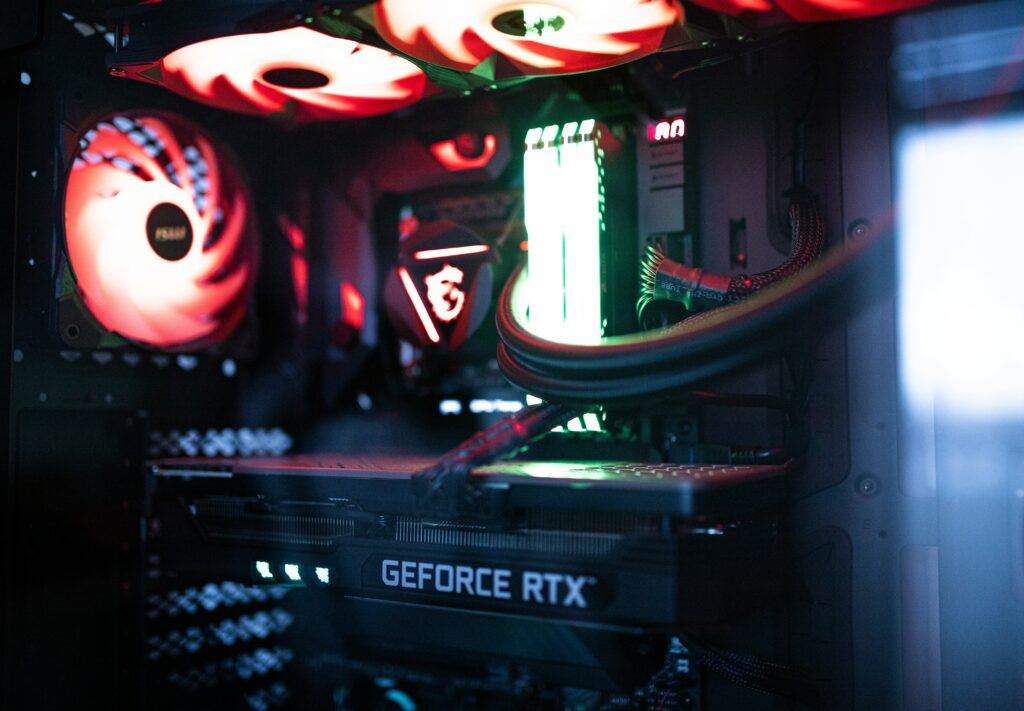
The graphics card market is always buzzing with anticipation, and the latest whispers point to a monumental shift. As gamers, creators, and professionals increasingly demand unprecedented power for their digital endeavors, NVIDIA is reportedly gearing up to launch its NVIDIA RTX 50 Series, codenamed “Blackwell.” This next-generation architecture promises to redefine visual computing, offering significant leaps in performance, efficiency, and ray tracing capabilities, setting a new benchmark for high-end graphics processing units.
The Dawn of Blackwell: What We Know So Far
While official details remain under wraps, leaks and industry speculation suggest an early 2025 release for the first wave of the Blackwell GPUs, potentially starting with the flagship RTX 5090. Building upon the success of the Ada Lovelace architecture found in the RTX 40 series, the NVIDIA RTX 50 Series is rumored to feature a host of groundbreaking improvements. Key among these is the anticipated adoption of a more advanced manufacturing process, likely TSMC’s 3nm node, which will allow for denser transistor packing and greater power efficiency.
Expectations are high for increased core counts across the board, alongside a potential upgrade to GDDR7 memory. This new memory standard boasts significantly higher bandwidth compared to GDDR6X, crucial for feeding the hungry processing units with data at unprecedented speeds. Furthermore, enhancements to NVIDIA’s Tensor Cores for AI acceleration and RT Cores for ray tracing are almost a certainty, promising a substantial boost in workloads that leverage these specialized units.
Elevating Performance: Beyond Gaming
The impact of the NVIDIA RTX 50 Series is projected to extend far beyond the realm of gaming. While gamers will undoubtedly revel in higher frame rates, more immersive ray-traced environments, and the potential for new levels of path tracing detail at 4K and even 8K resolutions, professionals stand to gain immensely. 3D artists and animators will experience faster render times, video editors will see accelerated playback and encoding, and engineers will benefit from quicker simulations and more complex computational fluid dynamics.
Perhaps one of the most significant advancements will be in the AI and Machine Learning sector. With the continued explosion of generative AI and large language models, the improved Tensor Cores within the Blackwell architecture are expected to offer unparalleled performance for AI training and inference. This makes the NVIDIA RTX 50 Series not just a gaming powerhouse, but a critical tool for driving innovation across numerous scientific and technological fields. Coupled with potential advancements in DLSS (Deep Learning Super Sampling), possibly DLSS 4.0, users can expect even more efficient upscaling and image generation, delivering stunning visuals without crippling performance.
Industry Reactions and Market Dynamics
The announcement of any new high-end GPU series from NVIDIA inevitably sends ripples through the tech industry. Analysts are already predicting intense competition, with AMD’s upcoming RDNA 4 or 5 architecture and Intel’s next-gen Battlemage/Celestial GPUs vying for market share. Pricing strategies for the NVIDIA RTX 50 Series will be a crucial factor, especially given the current economic climate and the premium associated with top-tier hardware. The ongoing AI boom has also significantly impacted the GPU market, with enterprise demand for AI accelerators driving up prices and sometimes limiting consumer availability.
According to a recent report from industry analyst Jon Peddie Research, “the competitive landscape in the discrete GPU market is set to intensify significantly with the next generation of hardware. NVIDIA’s move to GDDR7 and a smaller process node will likely set a new bar for performance per watt, forcing competitors to innovate rapidly.” This sentiment is echoed across various tech publications, including an insightful piece on The Verge’s tech news section, which frequently covers the evolving dynamics of the semiconductor market and high-performance computing.
The Future of Graphics: A Glimpse with Blackwell
The innovations packed into the NVIDIA RTX 50 Series are poised to shape the future of digital experiences. Developers will be empowered to create even more intricate, lifelike game worlds with advanced physics and lighting systems. The enhanced capabilities could also push the boundaries of virtual and augmented reality, making fully immersive metaverse experiences a more tangible reality. Beyond raw power, NVIDIA is also likely to focus on energy efficiency, an increasingly important consideration for both environmental impact and operating costs.
For those looking to upgrade their systems, understanding the nuances of new GPU technologies is vital. As we’ve discussed in our comprehensive guide to choosing the best GPU, making an informed decision requires careful consideration of performance, price, and personal use cases. The RTX 50 Series will undoubtedly offer compelling options at the high end, potentially trickle-down features to more accessible tiers in the future.
Conclusion: A New Era for Enthusiasts and Professionals
The anticipated launch of the NVIDIA RTX 50 Series marks a thrilling chapter in the evolution of graphics technology. With promises of unparalleled performance, revolutionary AI capabilities, and significant architectural enhancements, Blackwell is poised to be a true game-changer. Both enthusiastic gamers and demanding professionals have every reason to look forward to what NVIDIA will officially unveil. This series isn’t just an upgrade; it’s a foundation for the next generation of visual computing.