
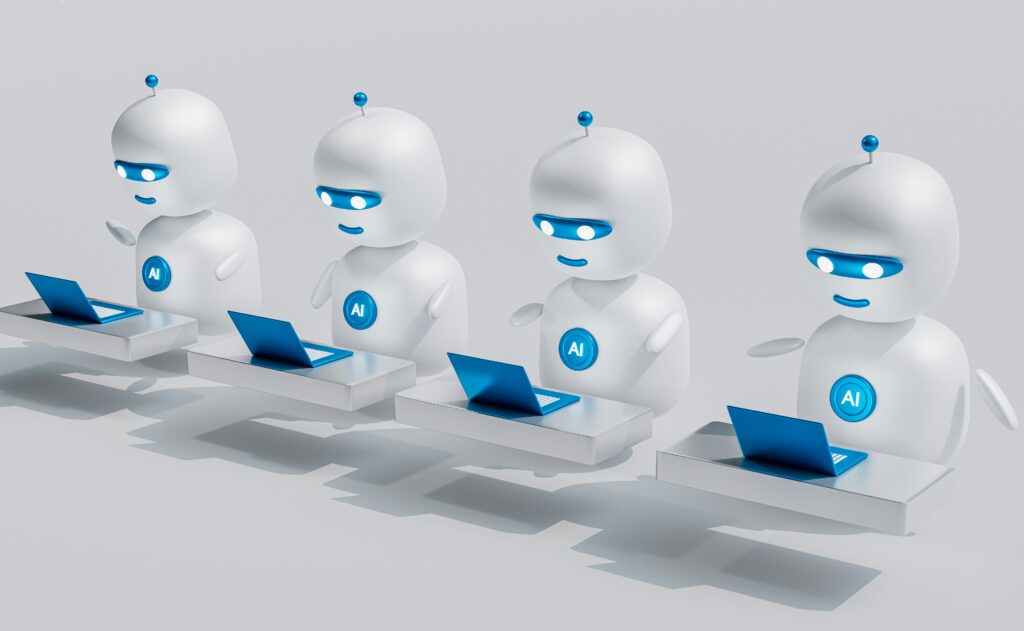
The Dawn of Intelligent Workflow Automation
The past year has witnessed a significant acceleration in the integration of Artificial Intelligence and Machine Learning capabilities into mainstream workflow automation platforms. Major players like Zapier, Microsoft Power Automate, and even specialized RPA providers such as UiPath have unveiled advanced features, moving beyond rule-based automation to incorporate predictive analytics, natural language processing (NLP), and adaptive learning. For instance, Q4 2023 reports indicated a surge in demand for platforms capable of handling unstructured data, demonstrating a clear shift towards more intelligent and flexible automation solutions.
These next-gen workflow automation tools are designed to not only execute predefined tasks but also to learn from historical data, identify patterns, and make autonomous decisions. This means processes that were once too complex or too variable for traditional automation, such as customer support triage, dynamic pricing adjustments, or content personalization, are now within reach of intelligent automation. This evolution represents a monumental leap, turning static workflows into dynamic, self-optimizing ecosystems.
Data-Driven Insights: AI’s Impact on Productivity
The tangible benefits of adopting AI-powered workflow automation are increasingly evident through various industry reports and case studies. According to a recent Gartner study, organizations implementing intelligent automation strategies have reported an average increase of 25% in operational efficiency and a reduction of up to 30% in operational costs within the first two years. Furthermore, a Forrester report highlighted that companies leveraging AI for process automation experience a 40% reduction in human error rates, leading to higher quality outputs and reduced rework.
Official statements from leading tech companies echo these findings. Microsoft’s recent Power Automate updates emphasize AI Builder’s enhanced capabilities, allowing users to easily integrate AI models for tasks like form processing and object detection without extensive coding. This democratization of AI is empowering businesses of all sizes to tackle complex automation challenges, driving a new wave of productivity gains that were previously inaccessible. The data unequivocally points to AI as a critical enabler for unlocking unprecedented levels of business performance and scalability.
Transforming Industries and User Experiences
The impact of intelligent workflow automation spans across virtually every industry, fundamentally reshaping how work is done and how value is created. In finance, AI-driven tools are automating fraud detection, compliance checks, and personalized investment advice, significantly reducing processing times and enhancing security. Healthcare is seeing automation streamline patient intake, appointment scheduling, and even initial diagnostic support, freeing up medical professionals for more critical patient care.
For marketing teams, AI automation personalizes customer journeys at scale, optimizing campaign performance and improving engagement. For IT departments, these tools manage infrastructure, automate incident response, and predict system failures before they occur. The ultimate beneficiaries are the employees, who are liberated from repetitive, low-value tasks, allowing them to focus on strategic thinking, creativity, and human-centric problem-solving. This shift elevates the human role in the workplace, fostering innovation and job satisfaction.
The Future Landscape: Hyperautomation and Beyond
Looking ahead, the trajectory for AI-powered workflow automation points towards ‘hyperautomation’ – a term coined by Gartner, referring to a business-driven, disciplined approach that organizations use to rapidly identify, vet, and automate as many business and IT processes as possible. This involves the coordinated use of multiple technologies, tools, or platforms, including RPA, low-code application platforms (LCAPs), AI, and process mining.
Expert opinions, such as those published in TechCrunch, suggest that the future of work will be characterized by adaptive, self-healing workflows that can respond to changing business conditions in real-time. We anticipate an even deeper integration of generative AI to create dynamic content, automate complex decision trees, and facilitate seamless human-AI collaboration. The goal is not just automation, but intelligent augmentation, where AI acts as a co-pilot, enhancing human capabilities and driving continuous improvement.
Conclusion: Embracing the Intelligent Shift
The revolution spearheaded by next-gen workflow automation tools is undeniable. These intelligent systems are transforming how businesses operate, offering unparalleled opportunities for efficiency, cost reduction, and innovation. As technology continues to evolve, embracing these tools will not be a choice, but a necessity for any organization aiming to thrive in the future. The path to a smarter, more agile enterprise lies in leveraging the power of AI to automate, optimize, and innovate.