
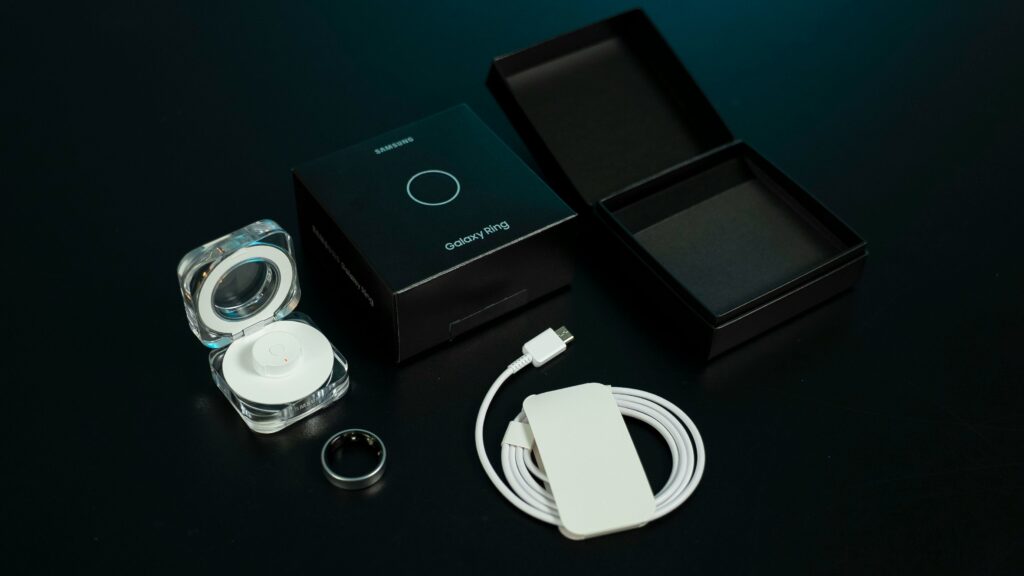
The buzz surrounding the Samsung Galaxy Ring reached a fever pitch following its brief but impactful appearance at the Unpacked event earlier this year, and subsequent confirmation at MWC 2024. This isn’t just another gadget; it’s a strategic move by Samsung to tap into the burgeoning market for subtle, continuous health tracking. While details are still emerging, official statements and leaks suggest the Galaxy Ring will offer a comprehensive suite of sensors for sleep tracking, heart rate monitoring, activity levels, and potentially advanced metrics like SpO2 and body temperature, all packed into a sleek, comfortable form factor. The design philosophy appears to be ‘wellness on demand,’ providing critical data without the visual presence of a smartwatch.
Reports and industry analysis from sources like Bloomberg Tech and The Verge indicate that the Galaxy Ring is poised to integrate deeply with Samsung Health, leveraging its extensive data analytics capabilities to provide personalized well-being scores and actionable insights. Unlike many current wearables that require conscious interaction, the ring’s discreet nature suggests a focus on passive, continuous data collection, painting a more accurate and holistic picture of a user’s health trends over time. This approach could significantly enhance user compliance, as the device requires minimal user input once worn. Its long battery life, a crucial factor for continuous tracking, is also rumored to be a key selling point, addressing a common pain point for existing wearable users.
The introduction of the Samsung Galaxy Ring is expected to have a profound impact across several industries. For the consumer electronics sector, it sets a new benchmark for form factor innovation in wearables, potentially prompting competitors to explore similar designs. In the health and wellness industry, it offers a powerful tool for preventative care, enabling individuals to monitor subtle changes in their health status. Furthermore, its data collection capabilities could be invaluable for researchers and medical professionals, offering a wealth of real-world health data. For everyday users, the impact will be a more integrated and less intrusive way to stay on top of their health, providing peace of mind and empowering better lifestyle choices without the need to constantly check a screen.
Looking ahead, industry experts like those at TechCrunch predict that smart rings, spearheaded by innovations like the Galaxy Ring, will become a foundational element of the future ‘connected health’ ecosystem. The potential for these devices to integrate with smart home systems, AI-driven health assistants, and even telehealth platforms is immense. Imagine a future where your ring subtly alerts you to signs of fatigue, suggests stress-reducing exercises, or even detects early indicators of illness, prompting a timely consultation with a healthcare provider. As miniaturization technology advances and sensor capabilities improve, the Galaxy Ring could evolve into an indispensable personal health companion, moving beyond mere fitness tracking to truly proactive health management. Its success will undoubtedly inspire a new wave of innovation in compact, intelligent health devices.
In conclusion, the Samsung Galaxy Ring represents more than just a new piece of hardware; it signifies a shift towards more seamless, integrated, and intelligent personal health technology. By combining cutting-edge sensors with a comfortable and discreet design, Samsung is not just entering the smart ring market, but potentially reshaping the entire wearable landscape. It’s an exciting glimpse into a future where technology works silently and effectively in the background, continuously supporting our well-being.
For more insights into the latest tech innovations, visit our Gadget & Hardware section on ByteTechScope.
For further reading on the Galaxy Ring’s market impact, check out this analysis by The Verge.