
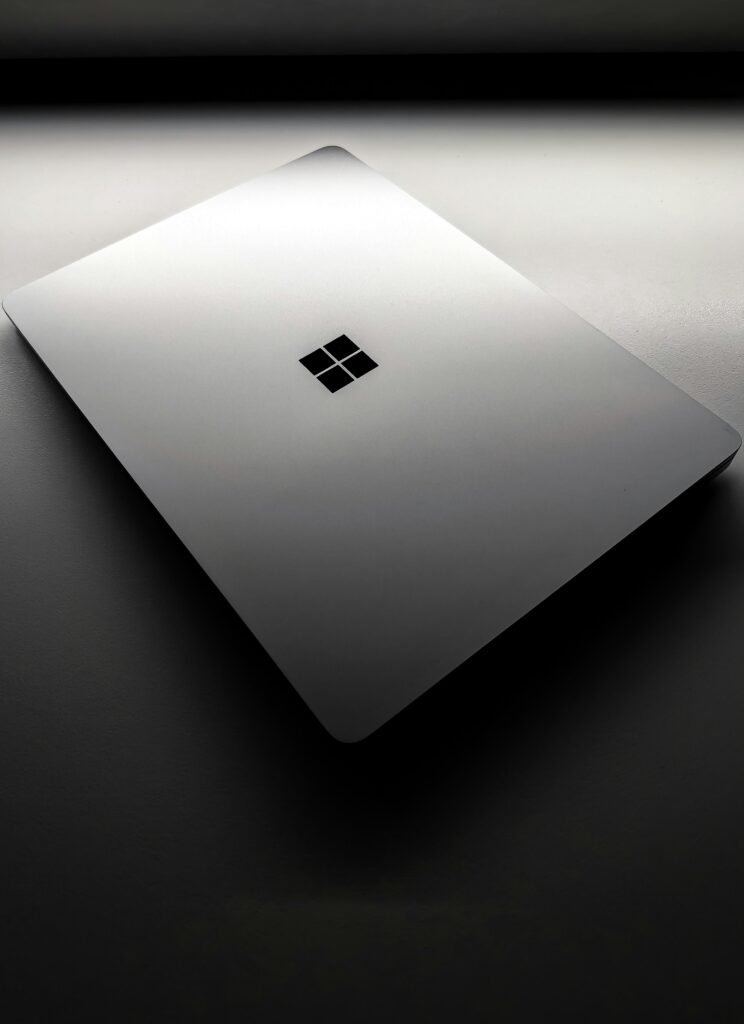
The long-awaited arrival of Qualcomm’s Snapdragon X Elite and its sibling, the Snapdragon X Plus, marks a pivotal moment for the Windows laptop ecosystem. Announced with much fanfare and now appearing in the first wave of ‘Copilot+ PCs’ from industry giants like Microsoft (Surface Laptop and Pro), Samsung (Galaxy Book4 Edge), Dell, HP, Lenovo, Acer, and Asus, these chips are not just incremental updates. They represent a fundamental shift in how Windows devices will operate, putting on-device AI at their core.
Qualcomm’s new Oryon CPU, part of the Snapdragon X series, boasts impressive multi-core performance metrics, often benchmarked to surpass competing x86 chips from Intel and AMD in specific power envelopes, and even challenging Apple’s acclaimed M-series processors in certain workloads. The integrated Adreno GPU promises solid graphical performance, but perhaps the most significant component is the Hexagon NPU, delivering a staggering 45 TOPS (trillions of operations per second) for AI tasks. This dedicated AI engine is what enables the new Copilot+ PC features, such as ‘Recall’ and advanced image generation, to run directly on the device with greater speed and privacy.
Unpacking the Performance and Efficiency Claims
Official statements and early independent testing highlight the Snapdragon X Elite’s dual promise: raw power combined with exceptional energy efficiency. Qualcomm’s own benchmarks, widely covered by tech publications like The Verge, illustrate significant gains in both CPU performance per watt and overall battery life when compared to leading Intel and AMD chips. Devices powered by the Snapdragon X Elite are expected to deliver multi-day battery life for typical usage, a stark contrast to many existing Windows laptops.
This efficiency isn’t just about longer unplugged usage; it also translates to cooler, quieter devices. Many of the first Snapdragon X Elite laptops are designed to be fanless, allowing for thinner and lighter form factors without compromising on performance for everyday tasks and AI-accelerated workflows. The integration of advanced 5G connectivity further enhances the mobile experience, making these devices truly ‘always-on, always-connected.’
Industry Impact and User Benefits
The introduction of the Snapdragon X Elite has sent ripples across the entire PC industry. For Intel and AMD, it signifies intensified competition, forcing them to accelerate their own development of AI-centric processors. For Microsoft, it’s an opportunity to revitalize the Windows platform, offering an experience that can genuinely compete with Apple’s ARM-based MacBooks in terms of performance-per-watt and integrated AI capabilities. The success of Snapdragon X Elite could encourage a broader adoption of ARM architecture in Windows, driving more developers to optimize their applications for this platform.
For end-users, the benefits are substantial. Imagine a laptop that lasts through multiple workdays on a single charge, performs complex AI tasks like real-time language translation or video editing without breaking a sweat, and stays silent and cool. These ‘AI PCs’ empower users with enhanced productivity tools, more creative freedom, and a more seamless, responsive computing experience. Features like ‘Recall’ (which logs everything you do on your PC for later search) and advanced photo editing are just the beginning of what on-device AI can achieve.
The Road Ahead: Software Compatibility and Future Potential
While the hardware is undoubtedly impressive, the long-term success of the Snapdragon X Elite hinges on software compatibility. Microsoft has made significant strides with its Prism emulation layer, designed to run existing x86 Windows applications smoothly on ARM. Early reviews suggest that many common applications perform well, but some niche or performance-intensive applications may still face challenges. The coming months will be crucial in seeing how quickly developers embrace native ARM compilation for Windows, which will unlock the chips’ full potential.
Industry experts predict that the Snapdragon X Elite is not just a single product but the vanguard of a new computing paradigm. Future iterations will likely integrate even more powerful AI capabilities, further blurring the lines between cloud and on-device processing. This marks a new frontier for mobile computing, promising to redefine what we expect from our personal devices. To learn more about the broader shift towards intelligent hardware, explore our deep dive into Exploring the Future of On-Device AI.
In conclusion, the Snapdragon X Elite is more than just a new chip; it’s a bold statement from Qualcomm and a pivotal moment for the Windows ecosystem. With its formidable performance, groundbreaking efficiency, and dedicated AI capabilities, it stands poised to usher in a new generation of AI-powered laptops, fundamentally changing how we interact with our technology and pushing the boundaries of what a personal computer can achieve.