
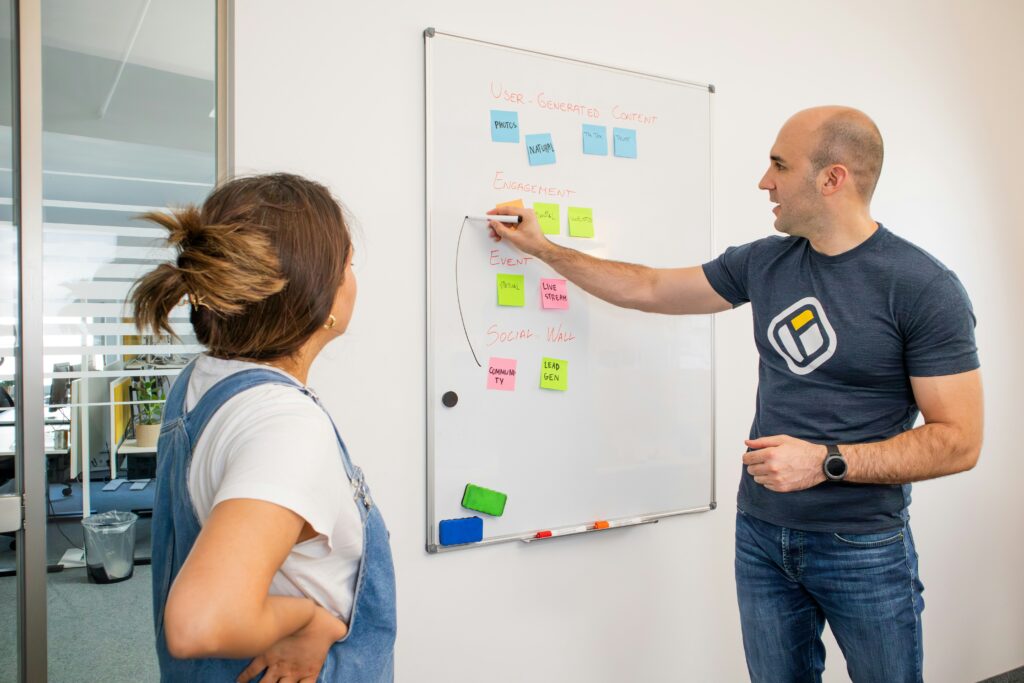
The Evolution of Real-Time Document Collaboration
Gone are the days of endless email attachments and version control nightmares. Today’s leading collaborative document editing platforms have moved far beyond basic shared drives, offering robust real-time co-authoring capabilities that allow multiple users to work on a single document simultaneously. This fundamental shift ensures that teams always operate from the most current version, drastically reducing errors and speeding up document finalization. Recent updates across major productivity suites emphasize deeper integration, allowing users to not only edit together but also communicate contextually within the document itself, assign tasks, and track progress without ever leaving the interface.
This push towards a more unified experience reflects a broader industry trend towards ‘super apps’ or integrated platforms that consolidate various workflow functions into one intuitive environment. From rich text editing to multimedia embedding and dynamic data visualization, these tools are becoming comprehensive content creation hubs. For instance, the ongoing evolution sees new features like AI-powered grammar and style suggestions directly embedded, making every team member a better writer, and advanced comment systems that support threaded discussions and resolution tracking, ensuring no feedback goes unnoticed or unaddressed.
Beyond Basic Editing: Integrated Workflow Tools
The true game-changer for enterprises lies in the integration of collaborative document editing with broader workflow tools. Modern platforms now offer features that streamline entire business processes. Think about automated approval flows where a document, once completed, can automatically trigger a review by relevant stakeholders, collecting their feedback and sign-offs systematically. This not only accelerates decision-making but also ensures compliance and accountability across various departments. Task assignment directly within a document, linking to project management tools, means that content creation is no longer an isolated activity but an integral part of a larger project lifecycle.
According to a report by McKinsey, companies that invest in integrated digital tools experience a significant boost in productivity, with some reporting up to a 20-25% increase in operational efficiency. This data underscores the tangible benefits of moving away from siloed applications towards a holistic ecosystem where documents are not just files, but active components of an operational workflow. Such integration also extends to communication platforms, allowing immediate discussions around document content, thus dissolving communication barriers inherent in traditional workflows. For deeper insights into optimizing cross-functional projects, you might find our article on Optimizing Project Management with Integrated Platforms highly relevant.
External sources like TechCrunch frequently cover the burgeoning market of these integrated productivity suites, highlighting how startups and tech giants alike are vying to create the most cohesive and powerful digital workspaces. This competitive landscape is driving rapid innovation, making today’s tools more robust and user-friendly than ever before.
Impact on Business Agility and Innovation
The immediate impact of advanced collaborative document editing on enterprises is profound. It fosters unparalleled business agility, enabling teams to respond faster to market changes, develop new strategies, and iterate on projects with remarkable speed. By democratizing access to information and streamlining feedback loops, these tools empower every employee to contribute meaningfully, fostering a culture of collective ownership and innovation. The ability to track every change, revert to previous versions, and understand who contributed what, adds a layer of transparency and accountability that significantly enhances document quality and reduces compliance risks.
Furthermore, these platforms play a crucial role in remote and hybrid work setups by recreating the spontaneity and immediacy of in-person collaboration. Teams scattered across different time zones can work on the same deliverable, maintaining synergy and momentum. This not only improves employee satisfaction by reducing friction but also broadens the talent pool available to companies, as geographical limitations become less of a barrier.
The Future Landscape: Predictive & Proactive Collaboration
What does the future hold for collaborative document editing? Experts predict an even deeper integration of intelligent features. We can anticipate tools that offer predictive content generation, leveraging machine learning to suggest relevant data, phrases, or even entire sections based on the document’s context and the user’s intent. Imagine a system that proactively flags potential inconsistencies, suggests relevant internal documents, or even automatically formats content based on company style guides. This will transform document creation from a reactive task to a proactive, intelligent process.
The trend is towards truly ‘smart’ documents that are not just static repositories of information but dynamic, interactive entities that contribute actively to business intelligence. Future tools may offer real-time analytics on document engagement, highlighting areas of interest or confusion among collaborators, providing invaluable insights for content optimization. The convergence with virtual and augmented reality could also open new avenues for immersive collaborative experiences, making distant teams feel truly present in the same digital workspace. The focus will be on anticipating user needs and automating mundane tasks, allowing human creativity and strategic thinking to flourish.
In conclusion, the journey of collaborative document editing tools from simple file sharing to sophisticated, integrated workflow powerhouses is a testament to the ever-evolving demands of the modern workplace. These next-gen platforms are not just improving productivity; they are fundamentally reshaping how enterprises innovate, communicate, and operate in a globally connected world.