
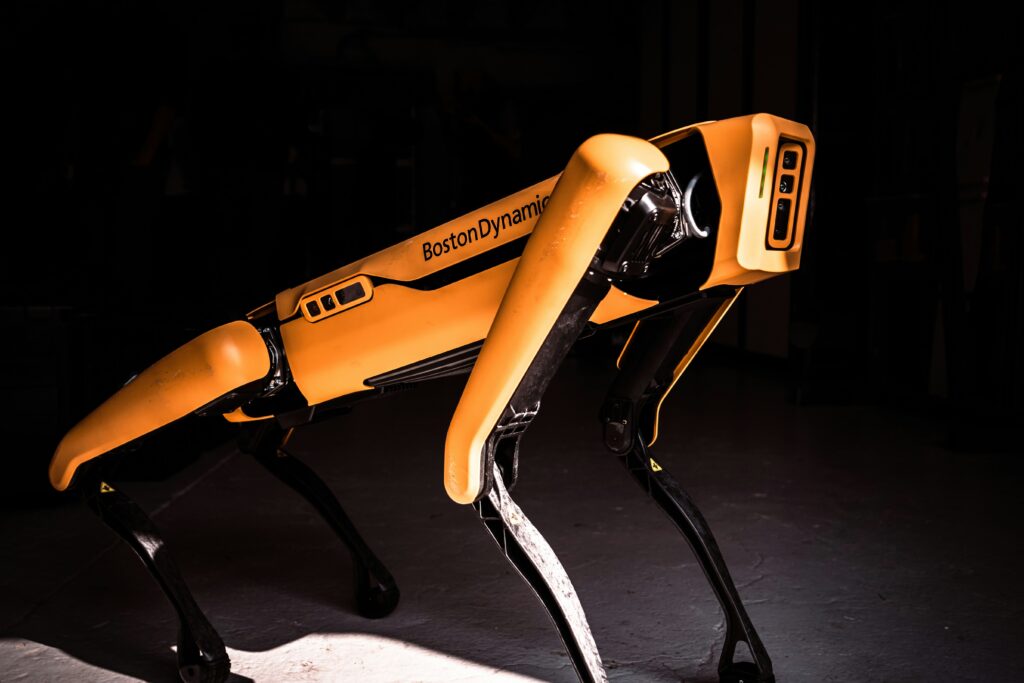
The relentless march of intelligent systems is fundamentally reshaping the global industrial landscape, driving a wave of innovation that promises unprecedented efficiency, personalization, and growth. From predictive analytics in manufacturing to hyper-personalized experiences in retail, artificial intelligence (AI) and machine learning (ML) are no longer futuristic concepts but essential drivers of competitive advantage across virtually every sector. This transformative shift signifies a new era where intelligent automation and data-driven insights are becoming the cornerstone of successful business operations.
The Dawn of Smarter Operations Across Industries
The adoption of AI and ML technologies is accelerating at an astonishing pace. Recent industry reports consistently highlight a significant uptick in enterprises integrating intelligent systems to optimize workflows, enhance decision-making, and unlock new revenue streams. This widespread embrace reflects a growing understanding among business leaders that AI is not just a tool for automation, but a strategic imperative for future resilience and innovation. Businesses are leveraging sophisticated algorithms to process vast datasets, identify complex patterns, and generate actionable insights far beyond human capabilities.
For instance, the healthcare sector is undergoing a profound transformation. AI is revolutionizing drug discovery by accelerating research and development cycles, predicting molecular interactions, and identifying potential drug candidates with greater accuracy. In diagnostics, intelligent systems analyze medical images (like X-rays and MRIs) with remarkable precision, aiding early detection of diseases and improving patient outcomes. According to a report by Grand View Research, the global AI in healthcare market size was valued at USD 15.1 billion in 2023 and is expected to grow significantly, underscoring the immense potential and investment flowing into this area.
Driving Efficiency and Innovation
In manufacturing, the advent of smart factories powered by AI and ML is redefining production lines. Predictive maintenance algorithms monitor machinery in real-time, anticipating failures before they occur, thereby reducing downtime and maintenance costs. Quality control systems use computer vision to detect defects with precision that far surpasses human inspection. This not only enhances product quality but also streamlines operations, making supply chains more robust and responsive to market demands. Similarly, the financial sector benefits immensely from AI, using it for sophisticated fraud detection, algorithmic trading, and providing highly personalized financial advice to clients, leading to a new era of secure and efficient financial services.
The retail industry is another prime example of AI’s pervasive impact. Intelligent recommendation engines analyze customer browsing and purchasing history to offer tailored product suggestions, significantly boosting sales and customer satisfaction. Supply chain logistics are optimized through AI-driven forecasting, ensuring optimal inventory levels and efficient delivery routes. This level of personalization and operational foresight was unimaginable just a decade ago, showcasing how The Rise of Intelligent Automation in Business is becoming a critical differentiator.
The Future Landscape: Augmentation and Ethics
Looking ahead, experts predict an even deeper integration of intelligent systems into the fabric of every industry. The focus will increasingly shift towards human-AI collaboration, where AI augments human capabilities rather than simply replacing them. This means professionals will work alongside AI tools to make better decisions, accelerate creativity, and handle more complex, strategic tasks. Emerging fields like explainable AI (XAI) are crucial, aiming to make AI’s decision-making processes transparent and understandable, fostering greater trust and adoption.
However, this transformative journey is not without its challenges. Ethical considerations surrounding data privacy, algorithmic bias, and job displacement remain paramount. Industry leaders and policymakers are actively working on frameworks and regulations to ensure AI development is responsible and beneficial for all. The demand for skilled professionals in AI, machine learning engineering, and data science is skyrocketing, indicating a future where human ingenuity, amplified by intelligent systems, will continue to drive unprecedented advancements. According to insights from TechCrunch, 2024 is set to see a further explosion of AI integration across diverse sectors, solidifying its role as a core innovation driver.
Conclusion: A Smarter Tomorrow
The pervasive influence of intelligent systems is undeniably creating a smarter, more efficient, and more responsive industrial world. From enabling life-saving medical breakthroughs to streamlining global logistics, AI and machine learning are at the forefront of a technological revolution that promises to redefine how we live, work, and innovate. Businesses that embrace these advanced capabilities will not only thrive in the competitive landscape but also lead the charge in shaping a future defined by unprecedented intelligence and connectivity.