
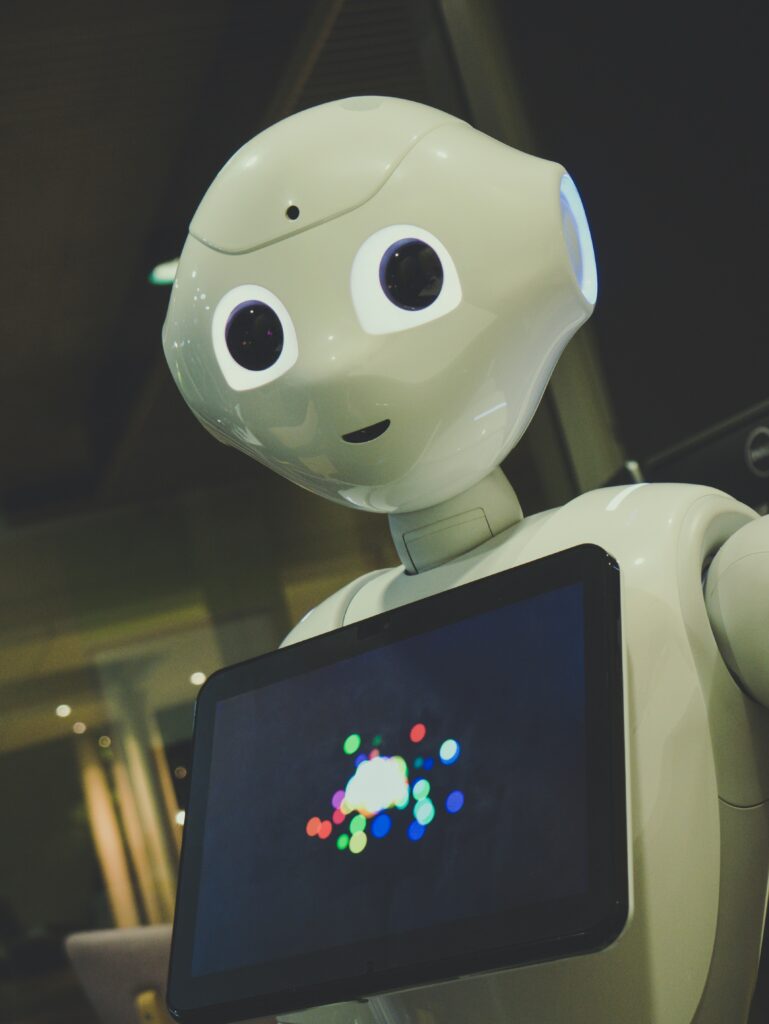
The manufacturing sector, traditionally characterized by its reliance on human labor and mechanical processes, is now at the forefront of the Artificial Intelligence (AI) revolution. Intelligent systems are not just enhancing existing operations; they are fundamentally reshaping the entire value chain, from design and production to supply chain management and customer service. This shift is particularly evident in the rapid adoption of AI for predictive maintenance, advanced quality control, and the creation of truly smart factories.
The Dawn of Smart Manufacturing with AI
Recent years have seen a significant surge in the integration of AI and Machine Learning (ML) into industrial operations, marking a pivotal moment for ‘Industry 4.0’. Leading manufacturers worldwide are deploying intelligent systems to interpret vast datasets generated by IoT sensors on factory floors. This data, once overwhelming, is now actionable intelligence, driving decisions that optimize performance and minimize waste. For instance, AI algorithms can analyze vibration patterns, temperature fluctuations, and energy consumption of machinery to predict potential breakdowns days or even weeks in advance. This proactive approach to maintenance dramatically reduces unplanned downtime, a major cost driver in industrial settings, and extends the lifespan of critical assets.
Beyond maintenance, AI is also transforming quality assurance. Traditional quality checks often involve manual inspection or sampling, which can be time-consuming and prone to human error. Intelligent vision systems, powered by deep learning algorithms, can inspect products at high speeds with unparalleled accuracy, identifying microscopic defects that might escape the human eye. This not only ensures a higher standard of product quality but also enables immediate feedback loops to adjust production parameters, preventing further defects down the line.
Tangible Impacts: Efficiency, Savings, and Innovation
The implications of these intelligent systems for manufacturing industries are vast and multifaceted. Firstly, the operational efficiency gains are staggering. By optimizing production schedules, managing inventory dynamically, and fine-tuning machinery performance, AI contributes to leaner operations and faster time-to-market. A study by a leading industrial analytics firm, for example, indicated that manufacturers leveraging AI for predictive maintenance reported a 20-30% reduction in equipment downtime and a 10-15% decrease in maintenance costs within the first year of implementation. These aren’t just marginal improvements; they represent significant boosts to profitability and competitiveness.
Secondly, AI’s role in fostering innovation cannot be overstated. Generative AI is beginning to assist engineers in designing new products, suggesting optimized structures and materials based on performance requirements. Furthermore, intelligent systems are enabling mass customization, allowing factories to produce highly personalized goods at scales previously unimaginable, catering to evolving consumer demands without compromising efficiency. This flexibility is a game-changer for industries seeking to differentiate in crowded markets.
Moreover, the integration of intelligent systems is fostering safer working environments. AI-powered robots handle dangerous or repetitive tasks, reducing the risk of human injury. Advanced analytics can also identify potential safety hazards in real-time and alert personnel, contributing to a more secure industrial ecosystem. While concerns about job displacement persist, the consensus among experts suggests a shift towards new roles requiring oversight, data analysis, and human-AI collaboration, leading to a more skilled and empowered workforce.
The Future is Autonomous and Collaborative
Looking ahead, the trajectory for AI in manufacturing points towards even greater autonomy and deeper integration. The rise of edge AI, where AI processing occurs directly on devices rather than in the cloud, promises real-time decision-making capabilities, crucial for mission-critical industrial applications. Furthermore, the collaboration between humans and AI will become more sophisticated. Cobots (collaborative robots) will work seamlessly alongside human workers, augmenting their capabilities and improving overall productivity.
Pioneering companies are also exploring the potential of digital twins – virtual replicas of physical assets, processes, or systems – powered by AI to simulate and optimize factory performance in a risk-free virtual environment before real-world implementation. This allows for predictive modeling, scenario planning, and continuous improvement. As ByteTechScope has previously delved into the ethical dilemmas of AI adoption, ensuring responsible and transparent AI deployment will be paramount as these intelligent systems become further embedded in industrial operations.
The widespread adoption of intelligent systems in manufacturing signals a fundamental shift in how goods are produced and delivered globally. This revolution, driven by AI and Machine Learning, is not merely about incremental improvements but about redefining the very nature of industrial productivity, sustainability, and innovation. Businesses that embrace these next-gen technologies will undoubtedly lead the charge into the future of manufacturing.