
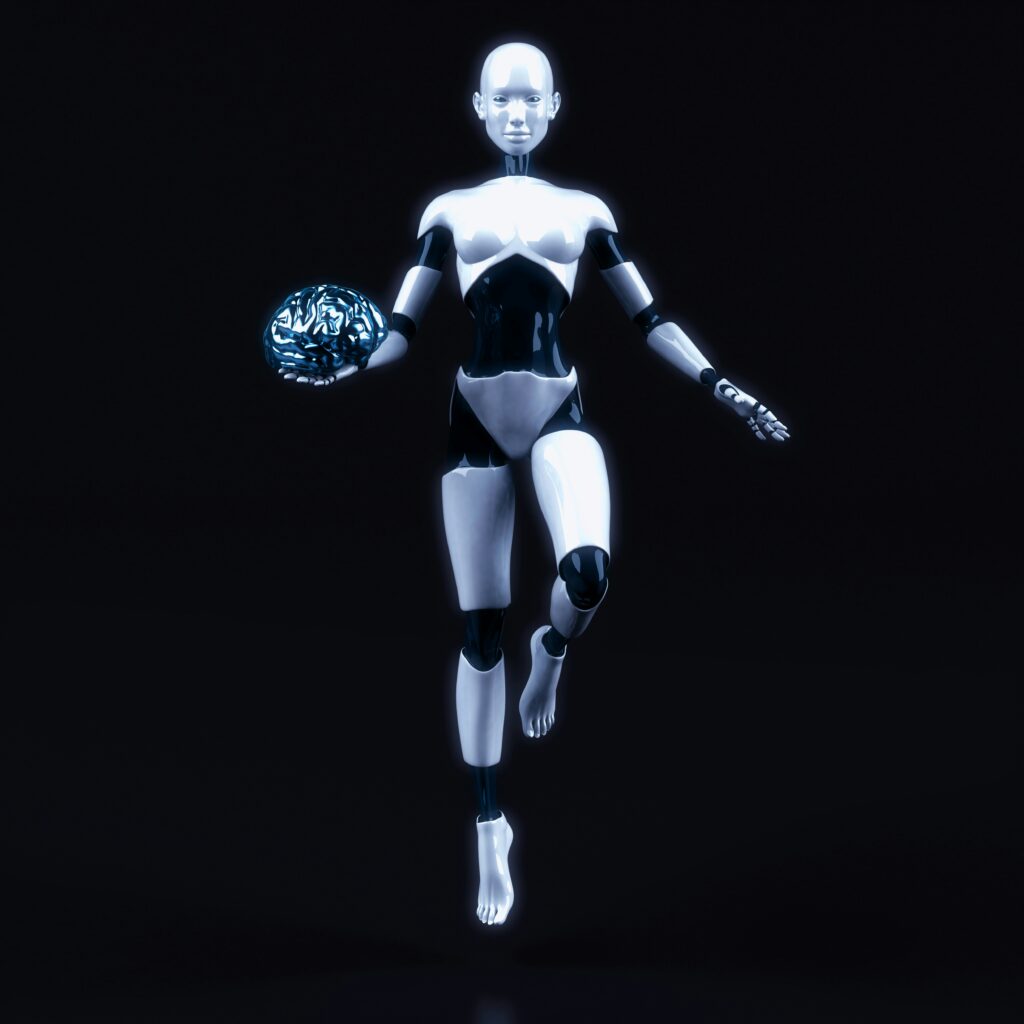
Artificial intelligence, once a concept relegated to science fiction, has now firmly established itself as the driving force behind the next industrial revolution. Recent years have seen an unprecedented acceleration in AI adoption, moving beyond theoretical applications to become deeply integrated into critical operations across diverse sectors. From advanced predictive analytics revolutionizing healthcare to generative AI streamlining creative workflows, the impact of intelligent systems is profound and widespread, signaling a new era of innovation.
The Latest Wave of Intelligent System Integration
The past year has particularly highlighted the dramatic advancements in AI capabilities, especially in generative AI models. These models are not just creating content but are actively assisting in complex problem-solving, product design, and strategic decision-making. Companies globally are investing heavily in these technologies, driven by the promise of enhanced productivity and competitive advantage. For instance, in healthcare, AI-powered diagnostic tools are reaching new levels of accuracy, aiding doctors in early disease detection and personalized treatment plans. Similarly, the manufacturing sector is witnessing a surge in smart factories utilizing AI for predictive maintenance, quality control, and optimizing supply chains, leading to significant cost reductions and efficiency gains. These aren’t isolated incidents but part of a broader trend of **AI industry transformation** occurring at an exponential pace.
Key Data and Expert Insights Shaping the AI Landscape
According to a recent report by PwC, AI is projected to contribute over $15.7 trillion to the global economy by 2030, with significant contributions from productivity gains and new product and service offerings. This forecast underscores the immense economic potential of intelligent systems. Experts at leading research institutions, such as Stanford University’s Institute for Human-Centered AI, consistently publish findings highlighting AI’s growing influence. A recent study noted a substantial increase in venture capital funding for AI startups, indicating strong investor confidence in the technology’s long-term viability and disruptive potential. Businesses are no longer asking if they should adopt AI, but how quickly and effectively they can integrate it into their core operations. This shift is also mirrored in official statements from global economic forums, emphasizing AI as a critical component for future economic resilience and growth.
Profound Industry-Wide Impacts and Emerging Paradigms
The impact of AI stretches far beyond mere automation. In finance, intelligent systems are bolstering fraud detection capabilities, enabling sophisticated algorithmic trading, and offering hyper-personalized financial advice, democratizing access to complex financial strategies. The retail sector benefits from AI-driven personalized recommendations, optimized inventory management, and predictive demand forecasting, leading to enhanced customer experiences and reduced waste. Even sectors traditionally slower to adopt technology, like agriculture, are seeing AI drones and sensors optimizing crop yields and resource management. This widespread adoption is creating new job roles centered around AI development, maintenance, and ethical oversight, alongside reshaping existing ones. It forces industries to rethink their entire operational frameworks and value propositions.
However, this transformation is not without its challenges. Issues of data privacy, algorithmic bias, and the ethical deployment of AI remain critical discussion points. As intelligent systems become more autonomous, ensuring transparency and accountability becomes paramount. For a deeper dive into these crucial discussions, you might find our article on The Ethical Dilemmas of AI Development insightful.
The Future Trajectory and Expert Predictions
Looking ahead, experts predict an even more symbiotic relationship between humans and AI. The focus will increasingly shift towards developing ‘augmented intelligence’ — systems designed to enhance human capabilities rather than replace them entirely. Dr. Kai-Fu Lee, a renowned AI expert, frequently emphasizes the future of AI in driving personalized education, healthcare, and creative industries, fostering a world where mundane tasks are handled by machines, freeing humans for higher-order thinking and creativity. The continuous evolution of deep learning, reinforcement learning, and quantum AI promises breakthroughs that are currently unimaginable, further solidifying AI’s role as the central nervous system of future industries. The race for AI supremacy among nations and corporations will likely spur rapid innovation, making the next decade a pivotal period for **AI industry transformation**.
For more detailed analyses on how specific companies are leveraging AI, consider checking out articles from credible sources like TechCrunch’s Artificial Intelligence section, which regularly covers the latest startup innovations and enterprise adoptions.
In conclusion, artificial intelligence is not merely a tool but a foundational technology that is fundamentally restructuring industries, creating unprecedented opportunities, and posing complex challenges. Its continued evolution will define the competitive landscape for businesses and the quality of life for individuals globally. The **AI industry transformation** is well underway, promising a future of intelligent, efficient, and highly innovative operations across all sectors.