
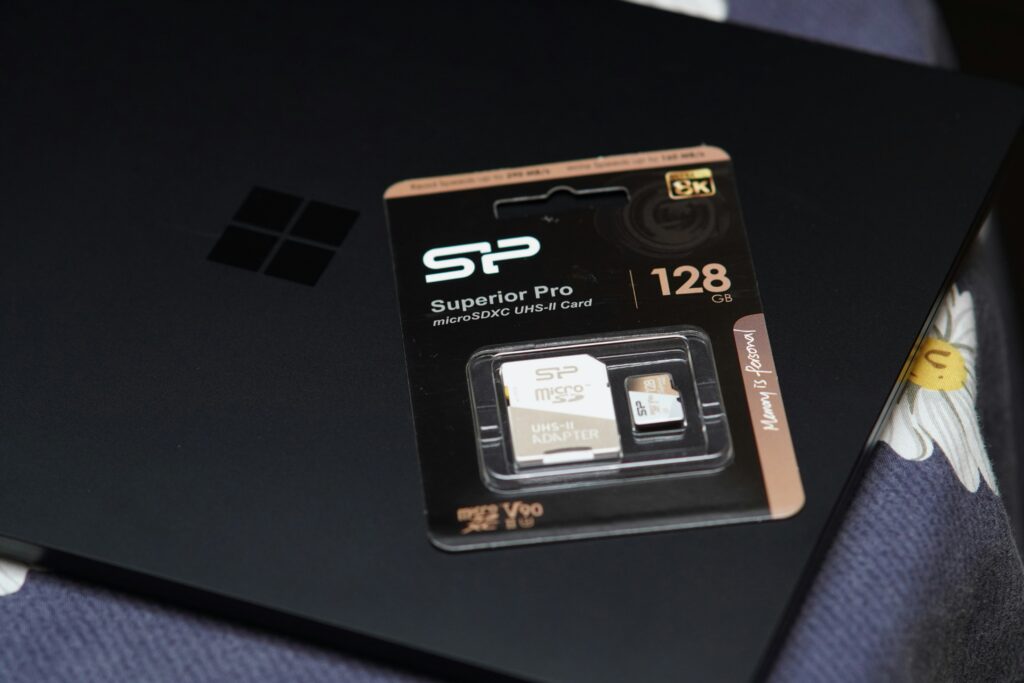
The evolution of storage technology has dramatically shifted, with traditional hard disk drives (HDDs) giving way to the superior speed and durability of Solid State Drives (SSDs). Portable SSDs, in particular, have emerged as a game-changer for professionals and casual users alike, offering incredible transfer speeds in compact, rugged designs. But with a myriad of options flooding the market, how do you navigate the choices to find the best fit?
Understanding the Need: Why Portable SSDs Matter Today
Modern workflows and digital lifestyles generate massive amounts of data. Photographers need to offload thousands of RAW images on location, videographers require rapid transfers of gigabytes of footage, and even general users backup their ever-growing collection of personal files. Cloud storage offers convenience, but physical portable SSDs provide immediate access, often superior speeds, and peace of mind for offline work or areas with limited connectivity. The widespread adoption of USB-C and Thunderbolt 3/4 technologies has further fueled the portable SSD revolution, allowing these devices to achieve their full speed potential.
Key Factors for a Smarter Choice: What to Look For
Speed: The Need for Pace
One of the primary reasons to choose an SSD over an HDD is speed. Portable SSDs offer dramatically faster read and write speeds, significantly reducing transfer times. Look for specifications detailing sequential read and write speeds, often measured in MB/s (Megabytes per second). High-end drives can reach speeds of 1000 MB/s or even 2800 MB/s with Thunderbolt 3/4. USB 3.2 Gen 2×2 offers speeds up to 20 Gbps (2500 MB/s), while USB 3.2 Gen 2 typically maxes out at 10 Gbps (1250 MB/s). Ensure your device’s ports match the SSD’s capabilities to avoid bottlenecks.
Capacity: How Much Space Do You Really Need?
Portable SSDs are available in capacities ranging from 500GB to 4TB, and even higher. Your ideal capacity depends entirely on your usage. For casual backups and document storage, 500GB to 1TB might suffice. However, creative professionals dealing with large video files, high-resolution photos, or extensive software libraries should consider 2TB or more. Remember, while a larger capacity offers more room, it also comes with a higher price tag.
Durability and Design: Built for the Road
Portability often means exposure to bumps and drops. Unlike HDDs, SSDs have no moving parts, making them inherently more resistant to physical shock. However, some portable SSDs go further, offering IP ratings for water and dust resistance, or military-grade drop protection. Consider the materials, weight, and overall form factor. A sleek, compact design is ideal for slipping into a pocket or camera bag.
Connectivity: Ensuring Compatibility
Most modern portable SSDs utilize USB-C for connectivity, offering reversible plugs and high bandwidth. Many come with both USB-C to USB-C and USB-C to USB-A cables for broader compatibility. Verify that your primary devices (laptop, tablet, smartphone) have the necessary ports to take full advantage of the SSD’s speed. Thunderbolt 3/4 drives offer the fastest speeds but require a Thunderbolt-enabled port.
Software and Security Features
Some portable SSDs come bundled with useful software for backup, synchronization, or encryption. Hardware encryption (AES 256-bit) is a crucial feature for sensitive data, providing an extra layer of security against unauthorized access. Check for features like password protection or even fingerprint recognition on some premium models.
Impact on Workflow and Industry
The proliferation of high-performance portable SSDs has fundamentally changed workflows across various industries. For content creators, these drives eliminate the frustrating wait times associated with transferring large projects, enabling quicker iterations and faster project delivery. In fields like research and development, they facilitate rapid data collection and analysis in the field. This shift empowers users to be more productive and flexible, untethered from slower, less reliable storage solutions.
Future Outlook and Expert Opinion
Experts predict a continued trend towards higher capacities, even smaller form factors, and further integration of advanced security features like biometric authentication. We may also see the emergence of faster wireless transfer capabilities to complement physical connections. The push for NVMe technology within portable SSDs will continue to drive performance ceilings even higher. As prices become more competitive, portable SSDs will become an indispensable tool for every tech-savvy individual.
Choosing the right portable SSD requires a careful balance of speed, capacity, durability, and budget. By evaluating your specific needs against the available options, you can make an informed decision that enhances your digital life and streamlines your workflow. For more insights into managing your digital assets, read our guide on Optimizing Your Digital Workflow.
According to a recent report on external storage trends from The Verge, the demand for high-speed, durable portable storage solutions is projected to grow significantly, underscoring the importance of investing in reliable devices.