Gadget & Hardware

Samsung Unveils Next-Gen Foldables: Z Fold 6 & Z Flip 6

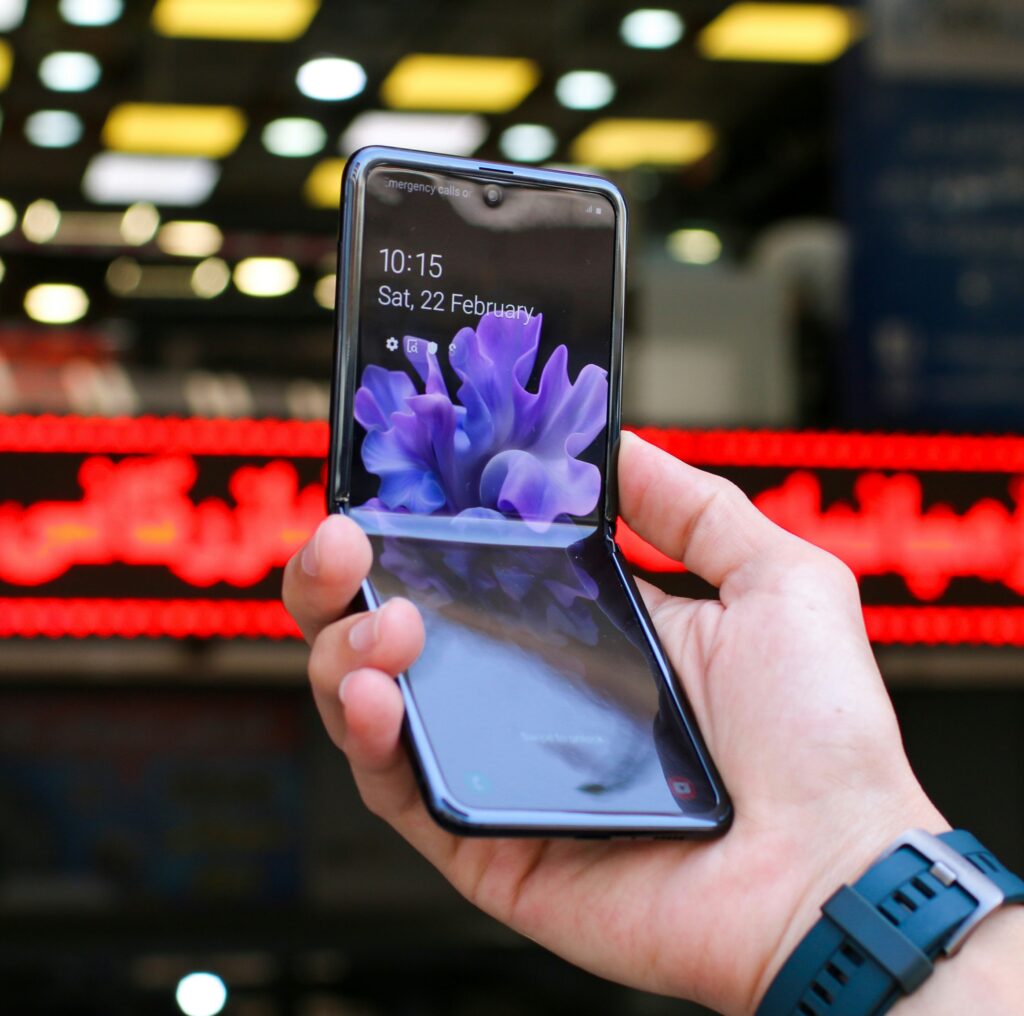
Samsung is set to launch the Galaxy Z Fold 6 and Z Flip 6, featuring significant design and performance upgrades. The Z Fold 6 is rumored to have a wider cover screen and a squarer aspect ratio, improving usability. The Z Flip 6 is expected with a larger, more functional exterior Flex Window for enhanced interaction. Both devices will likely be powered by the Snapdragon 8 Gen 3 for Galaxy chipset, offering superior performance. Samsung aims to maintain its market leadership in the growing foldable segment against increasing competition. Key advancements focus on improved durability, reduced crease visibility, and enhanced user experience.

Samsung Unveils Next-Gen Foldables: Z Fold 6 & Z Flip 6 Read More »

Next-Gen Spatial Computing Devices Unveiled: The Future of XR

The tech industry is rapidly advancing towards next-gen spatial computing devices, building on current XR innovations. Anticipated advancements include lighter designs, superior displays, extended battery life, and enhanced processing power. Market research forecasts significant growth in AR/VR headsets, driven by both enterprise adoption and broader consumer utility. These devices are poised to transform professional fields (architecture, healthcare), education, and daily consumer entertainment and social interactions. Future predictions include miniaturization, cost reduction, and potential integration with advanced technologies like BCIs.

Next-Gen Spatial Computing Devices Unveiled: The Future of XR Read More »

Next-Gen Foldable Phones: A Game-Changer for Mobile Tech

Next-gen foldable phones are rapidly advancing with improved durability, sophisticated hinges, and reduced screen creases. The global market for foldable smartphones is projected for significant growth, driven by innovation and increased consumer adoption. These devices are set to revolutionize productivity and entertainment with adaptable screen real estate and immersive viewing. Experts predict foldables will become the dominant premium smartphone form factor, with new designs and functionalities emerging. Ongoing R&D in materials and flexible components will unlock the full potential of future flexible display technologies.

Next-Gen Foldable Phones: A Game-Changer for Mobile Tech Read More »

Samsung Unveils Next-Gen Galaxy Z Fold 6: A Game-Changer

The Samsung Galaxy Z Fold 6 was officially unveiled in early July 2024, featuring a significantly thinner and lighter design. It incorporates an advanced hinge mechanism, allowing the device to fold flatter with a reduced crease and improved durability. The Z Fold 6 includes an integrated S Pen slot, enhancing its productivity capabilities for power users. Both the cover and main displays are Dynamic AMOLED 2X with enhanced brightness and 120Hz adaptive refresh rates. Powered by the custom Snapdragon 8 Gen 3 for Galaxy, it offers superior CPU, GPU, and NPU performance. The device boasts an upgraded camera system with enhanced low-light performance and AI-driven processing. Experts predict the Z Fold 6 will accelerate the adoption of foldable technology and set new industry standards.

Samsung Unveils Next-Gen Galaxy Z Fold 6: A Game-Changer Read More »

Revolutionary MicroLED Breakthrough Powers Next-Gen AR Wearables

Significant breakthroughs in MicroLED display technology are poised to revolutionize augmented reality (AR) wearables. New advancements address challenges in miniaturization, mass production, and integration for AR glasses. MicroLEDs offer up to 50% greater energy efficiency and superior brightness compared to current AR display technologies. These displays can achieve extreme pixel densities (3,000+ PPI), eliminating the ‘screen door effect’ for realistic visuals. The innovation will lead to lighter, more comfortable, and longer-lasting AR glasses for consumers. Enterprise sectors like healthcare, manufacturing, and logistics will see significant benefits in productivity and efficiency. Challenges remain in scaling production and reducing costs, with consumer products expected in niche markets by late 2025. MicroLED advancements could also enable future innovations like smart contact lenses and holographic projections.

Revolutionary MicroLED Breakthrough Powers Next-Gen AR Wearables Read More »

Samsung Unveils Next-Gen Galaxy Ring: Future of Wearable Tech?

Samsung has officially unveiled the Galaxy Ring, marking its entry into the smart ring market. The device offers advanced, discreet health tracking, including sleep, heart rate, and activity monitoring. It is designed for seamless integration with the Samsung Health ecosystem. The Galaxy Ring is poised to challenge existing smart ring players and influence the broader wearable tech industry. Future potential includes features like mobile payments, gesture controls, and further integration into an ‘ambient computing’ lifestyle.

Samsung Unveils Next-Gen Galaxy Ring: Future of Wearable Tech? Read More »

Unveiling Samsung’s Next-Gen Foldable Tech: The Galaxy Z Fold 6

The Samsung Galaxy Z Fold 6 is rumored to feature a significant redesign, including a wider cover screen and a thinner, lighter body for improved ergonomics. Anticipated display advancements include reduced crease visibility and enhanced Ultra Thin Glass (UTG) for better durability. The camera system is expected to receive substantial upgrades, focusing on improved sensors and advanced image processing. The device will likely be powered by the Snapdragon 8 Gen 3 for Galaxy, coupled with refined One UI software for optimized multitasking and app continuity. The Galaxy Z Fold 6 aims to reinforce Samsung’s leadership in the foldable market, influencing future mobile tech trends and fostering competition.

Unveiling Samsung’s Next-Gen Foldable Tech: The Galaxy Z Fold 6 Read More »

Next-Gen AR Glasses: The Future of Immersive Hardware Unveiled

Next-gen AR glasses prioritize sleek, lightweight designs through micro-LED displays and advanced optical waveguides. Specialized chipsets like Qualcomm’s Snapdragon AR2 Gen 2 are crucial for power efficiency and distributed computing. Market projections indicate significant growth for AR, with tech leaders viewing it as the next major computing platform. These devices promise to revolutionize daily life with features like heads-up navigation and transform industries through enhanced hands-free data access. Key challenges include battery life, field of view, social acceptance, and building a robust content ecosystem.

Next-Gen AR Glasses: The Future of Immersive Hardware Unveiled Read More »

Apple Vision Pro: Unveiling The Future of Spatial Computing

Apple Vision Pro launched on February 2, 2024, ushering in a new era of spatial computing. It offers an immersive blend of AR/VR with stunning displays and intuitive controls via visionOS. Initial sales were strong despite the $3,499 price, indicating high demand among early adopters. The device is expected to revolutionize industries like design, education, and entertainment. Future iterations are anticipated to address current limitations and offer a more accessible price. Experts view it as a foundational product for spatial computing, not just another gadget.

Apple Vision Pro: Unveiling The Future of Spatial Computing Read More »

NVIDIA Unveils Revolutionary Next-Gen RTX 5000 Series GPUs

NVIDIA officially unveils the Next-Gen RTX 5000 Series GPUs, powered by the new ‘Blackwell’ architecture. Expected to deliver up to 2.5x performance increase over previous generations, setting new benchmarks. Features enhanced CUDA Cores, RT Cores for ray tracing, and Tensor Cores for AI acceleration. Will significantly impact gaming with hyper-realistic visuals and smoother experiences. Professionals in design, engineering, and scientific research will benefit from faster rendering and complex simulations. Analysts predict the RTX 5000 Series will solidify NVIDIA’s market leadership and drive adoption of advanced display technologies.

NVIDIA Unveils Revolutionary Next-Gen RTX 5000 Series GPUs Read More »