brno.adhi.krisna.d@gmail.com

Revolutionary OpenAI API Updates Powering Next-Gen Workflows

OpenAI has released significant API updates, including optimized model iterations and enhanced performance. New function calling capabilities enable more sophisticated and context-aware AI applications. Expanded context windows and cost efficiencies make advanced AI integration more accessible for developers. These updates will profoundly impact application development, enabling more intelligent and automated workflows for businesses. The future will see a rise in specialized AI agents and greater demand for expert consulting to integrate these advanced AI capabilities strategically.

Revolutionary OpenAI API Updates Powering Next-Gen Workflows Read More »

Unveiling GPT-4o: Reshaping Workflow Automation with OpenAI’s New App

OpenAI officially launched GPT-4o on May 13, 2024, featuring a unified multimodal architecture for text, audio, and vision. A new macOS desktop application for GPT-4o was introduced, offering seamless integration and real-time interaction capabilities directly within user workflows. GPT-4o provides significant improvements in speed and intelligence compared to previous models, enhancing tasks from customer service to content creation. The desktop app and API access will facilitate advanced GPT-4o workflow automation across various industries. This innovation will likely accelerate human-in-the-loop automation and reshape future skill sets in the workplace. Businesses are encouraged to explore strategic integration of GPT-4o to achieve competitive advantages and optimize operations.

Unveiling GPT-4o: Reshaping Workflow Automation with OpenAI’s New App Read More »

Unveiling Copilot+ PCs: The Future of AI-Powered Computing

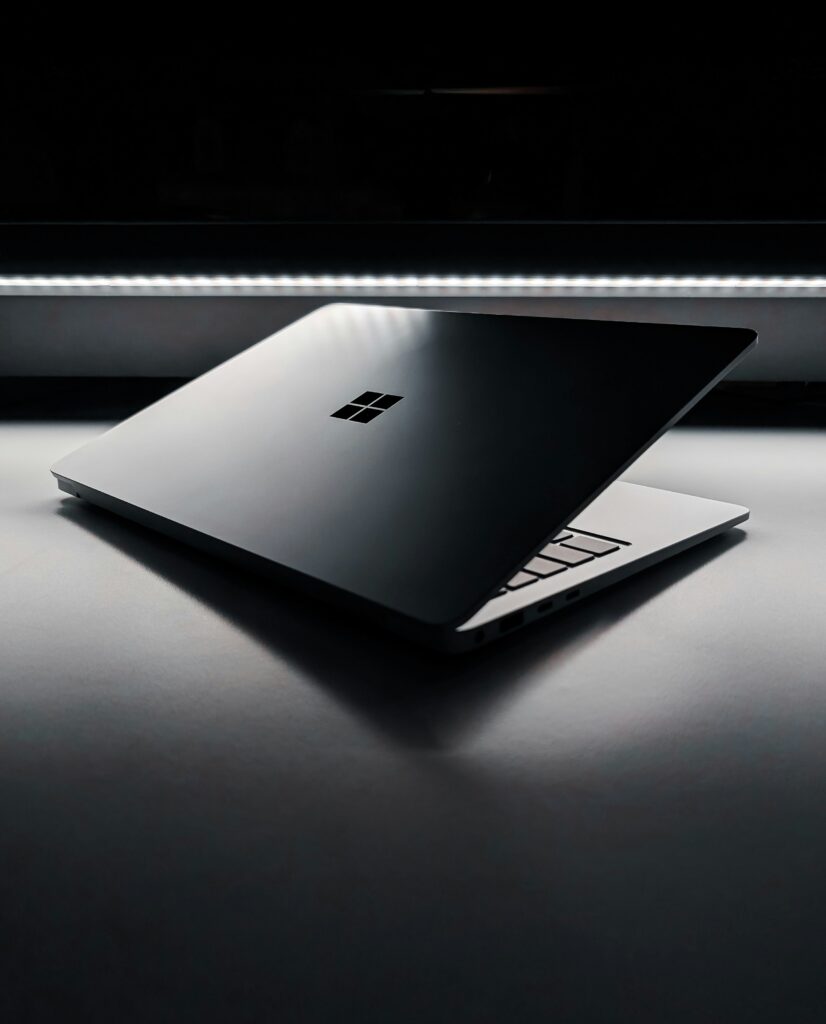
Copilot+ PCs Redefine Computing: Microsoft launched a new category of Windows PCs with dedicated Neural Processing Units (NPUs) for advanced AI integration. Powered by NPUs: Initial models feature Qualcomm’s Snapdragon X Elite/Plus processors, offering over 40 TOPS for AI workloads, making them significantly faster and more efficient than previous PCs for AI tasks. Key AI Features: Includes ‘Recall’ for PC memory, ‘Cocreator’ for AI-powered image generation, ‘Live Captions’ for real-time translation, and ‘Windows Studio Effects’ for enhanced video calls. Extended Battery Life: Promises ‘all-day battery life,’ with claims of 15+ hours of web browsing or 20+ hours of video playback. Industry Shake-up: Challenges traditional x86 dominance, fostering competition among chipmakers and driving innovation in AI-optimized software. Future Outlook: Represents a shift towards pervasive on-device AI, influencing productivity, creativity, and the overall tech landscape, with initial devices releasing in June 2024.

Unveiling Copilot+ PCs: The Future of AI-Powered Computing Read More »

OpenAI’s Strategic Shift: Powering Enterprise Automation & Growth

OpenAI is strategically shifting its focus from pure research to delivering enterprise-grade AI solutions for businesses. Recent multimodal AI models like GPT-4o are designed to address complex business needs, enhancing capabilities beyond simple chatbots. The enterprise automation strategy includes tailored solutions with enhanced privacy, scalability, and custom model fine-tuning. Key partnerships, particularly with Microsoft Azure, are crucial for broader market penetration and ecosystem building. AI-driven automation is transforming workflows, leading to significant efficiency gains, cost reductions, and fostering digital transformation. Businesses face challenges like data security and integration complexity but gain competitive advantages and new innovation opportunities. Strategic adoption of advanced AI is essential for companies aiming to lead in the evolving digital landscape.

OpenAI’s Strategic Shift: Powering Enterprise Automation & Growth Read More »

Copilot+ PCs Unveiled: Next-Gen AI for Smart Business Workflows

Official Unveiling: Microsoft announced Copilot+ PCs on May 20, 2024, ushering in a new era of AI-integrated personal computing. Powered by Snapdragon X Series: These devices primarily feature Qualcomm’s Snapdragon X Elite and X Plus processors with over 40 TOPS NPU performance. Key AI Features: Exclusive Windows experiences include Recall (instant searchable memory), Cocreator (real-time generative AI for images), and enhanced Live Captions. Business Impact: Promises significant productivity gains, localized AI processing for improved data privacy, and a shift towards AI-native software development. Challenges: IT departments will need to manage application compatibility during the ARM transition and address new data privacy considerations for features like Recall. Future Outlook: Expected to intensify the “AI PC” race, with major chipmakers pushing NPU-equipped devices as the new standard.

Copilot+ PCs Unveiled: Next-Gen AI for Smart Business Workflows Read More »

Emerging Startups Fueling Apple Vision Pro’s Spatial Computing Revolution

Apple Vision Pro is fostering a new wave of **spatial computing startups**, rapidly building out its ecosystem. Recent developer conferences (WWDC 2024) have spurred further innovation and investment in the platform. Venture capital funding for AR/VR, particularly those aligning with Apple’s platform, shows significant growth. These startups are creating specialized applications for healthcare, manufacturing, education, and more, promising transformative industry impact. Challenges include hardware cost and development complexity, but opportunities for early movers are substantial. The growth of this ecosystem signals a foundational shift in how industries operate and users interact with technology.

Emerging Startups Fueling Apple Vision Pro’s Spatial Computing Revolution Read More »

Nvidia’s AI Market Dominance: A Game-Changer in Tech Investment

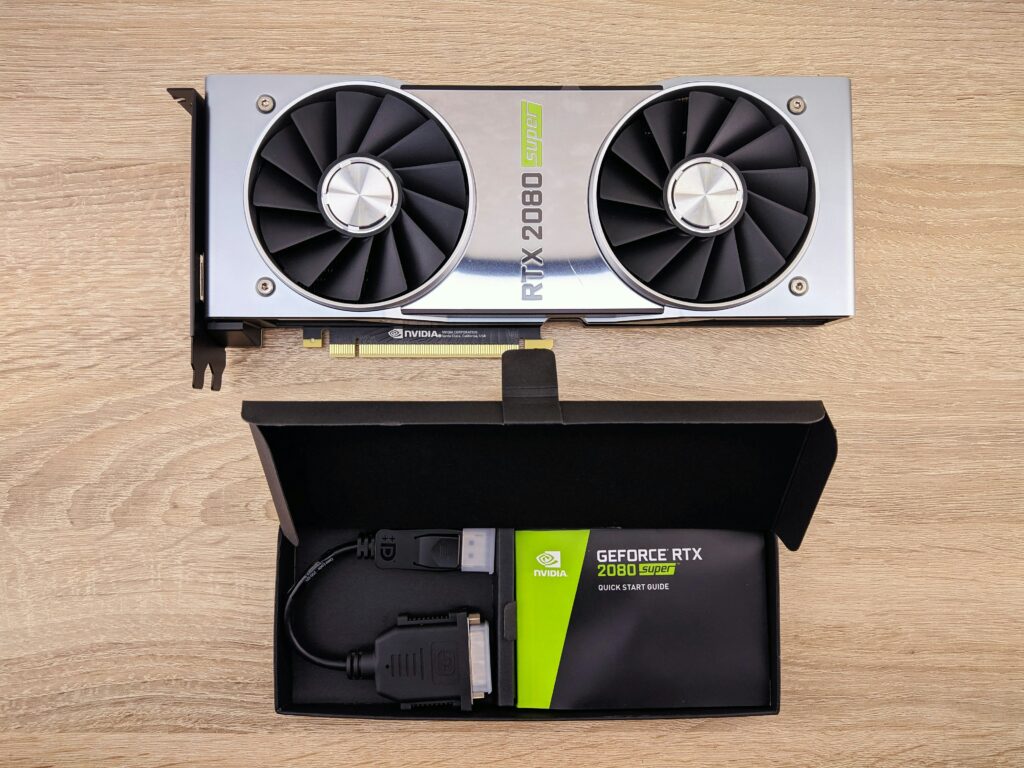
Nvidia’s recent 10-for-1 stock split on June 7, 2024, highlighted its immense market valuation and central role in the AI revolution. The company’s market dominance is driven by the unparalleled demand for its H100 and Blackwell GPUs, essential for AI workloads. Nvidia’s proprietary CUDA software platform creates a significant competitive moat, fostering a vast ecosystem of developers and applications. The reliance of major cloud providers on Nvidia’s infrastructure solidifies its indispensable position in the AI landscape. Nvidia’s success puts pressure on enterprises to adopt AI, creating demand for expert consulting in AI strategy and workflow automation. Future challenges include increasing competition, the emergence of specialized AI hardware, and geopolitical/regulatory factors. Strategic adoption of AI, guided by expert partners, is crucial for businesses to navigate this evolving technological frontier.

Nvidia’s AI Market Dominance: A Game-Changer in Tech Investment Read More »

iOS 18 Unveiled: Elevating iPhone Workflows with Next-Gen Features

iOS 18 introduces groundbreaking personalization with flexible app icon placement and tinting, and a redesigned, customizable Control Center. The Messages app gains new text effects, animated tapbacks, scheduled sending, and crucial RCS support for improved cross-platform communication. Enhanced privacy and security features include app locking with biometric authentication, hidden apps, and granular control over contact sharing. New developer APIs empower creators to build more integrated and optimized applications leveraging iOS 18’s capabilities, including for the Passwords app and Game Mode. These updates significantly impact user workflows, business communication, and data security, setting new industry standards for mobile operating systems.

iOS 18 Unveiled: Elevating iPhone Workflows with Next-Gen Features Read More »

Microsoft’s Recall: Workflow Power-Up or Privacy Pitfall?

Windows Recall, unveiled at Microsoft Build 2024, captures screen snapshots to create a searchable history of user activity for enhanced productivity. The feature runs on-device using NPU-powered Copilot+ PCs, with Microsoft stating all data remains local. Significant privacy and security concerns have emerged, citing potential vulnerabilities if the local database is breached, posing risks to sensitive personal and corporate data. For businesses, Recall necessitates new IT policies, data governance strategies, and employee training to manage compliance and mitigate security risks. The debate around Recall underscores the ongoing challenge of balancing technological innovation with robust data privacy and security measures in modern computing.

Microsoft’s Recall: Workflow Power-Up or Privacy Pitfall? Read More »

Revolutionary Microsoft Copilot Powers Enterprise Workflows

Microsoft Copilot is continuously updated with enterprise-grade features for enhanced security, governance, and tailored insights. New customization options allow organizations to train Copilot on proprietary data for contextually relevant assistance. Deep integration across Microsoft 365 applications streamlines multi-application tasks and minimizes context switching. Expanded connectors and APIs aim to integrate Copilot with a wider array of third-party business applications. Early data suggests significant efficiency gains, saving employees considerable time on administrative tasks. Experts predict Copilot will become indispensable, with future advancements in customization, multi-modal interactions, and ethical governance.

Revolutionary Microsoft Copilot Powers Enterprise Workflows Read More »