brno.adhi.krisna.d@gmail.com

Mastering Future Workflows: iOS 18 & macOS 15 Anticipated Features

WWDC 2024 is highly anticipated for major iOS 18 and macOS 15 updates, promising significant workflow enhancements. iOS 18 is expected to bring revamped Home Screen customization and more intelligent Siri features, redefining mobile productivity. macOS 15 will likely deepen cross-device continuity and refine its user interface, elevating desktop workflows. These updates offer new opportunities for technology consulting in workflow optimization and system integration. Apple’s strategic direction emphasizes a more personalized, intuitive, and seamlessly integrated user experience across its ecosystem.

Mastering Future Workflows: iOS 18 & macOS 15 Anticipated Features Read More »

OpenAI Unveils GPT-4o: The Future of Multimodal AI Interaction

OpenAI launched GPT-4o on May 13, 2024, an ‘omnimodal’ AI model processing text, audio, and vision end-to-end. It offers real-time conversational capabilities, interpreting emotions and visual cues for highly natural interaction. GPT-4o boasts an average audio response time of 320ms and matches GPT-4 Turbo performance, while being 50% cheaper. Its capabilities are set to revolutionize customer service, education, healthcare, content creation, and enterprise workflow automation. Future developments will focus on integrating multimodal AI into devices and addressing ethical challenges like bias and privacy.

OpenAI Unveils GPT-4o: The Future of Multimodal AI Interaction Read More »

Snapdragon X Elite Laptops: Unveiling the Future of Windows Performance

Qualcomm’s Snapdragon X Elite represents a significant entry into the Windows laptop market, focusing on power efficiency and performance. Initial reviews confirm strong multi-core CPU performance and exceptional battery life, often surpassing competitors. The integrated NPU accelerates on-device AI tasks, enhancing Copilot+ PC features. Software compatibility, particularly for older x86/x64 applications, remains a key consideration, though emulation is improving. The Snapdragon X Elite introduces significant competition, driving innovation across the PC industry. Future iterations are expected to further refine performance and expand application compatibility, making ARM-based Windows a viable long-term solution.

Snapdragon X Elite Laptops: Unveiling the Future of Windows Performance Read More »

OpenAI’s GPT-4o: Reshaping Enterprise Workflows with Next-Gen AI

OpenAI officially launched GPT-4o on May 13th, 2024, introducing a groundbreaking multimodal AI model. GPT-4o processes and generates text, audio, and visual information seamlessly with human-like response times. Key features include real-time reasoning across modalities, enhanced intelligence, and improved multilingual support. The model’s capabilities will revolutionize enterprise workflows in customer service, content creation, IT, and data analysis. GPT-4o promises to drive efficiency, foster innovation, and enable more natural human-computer interactions across industries. Expert predictions suggest rapid adoption, leading to more intelligent virtual assistants and sophisticated AI interfaces.

OpenAI’s GPT-4o: Reshaping Enterprise Workflows with Next-Gen AI Read More »

Unveiling Copilot+ PCs: Your Next-Gen Windows Experience Guide

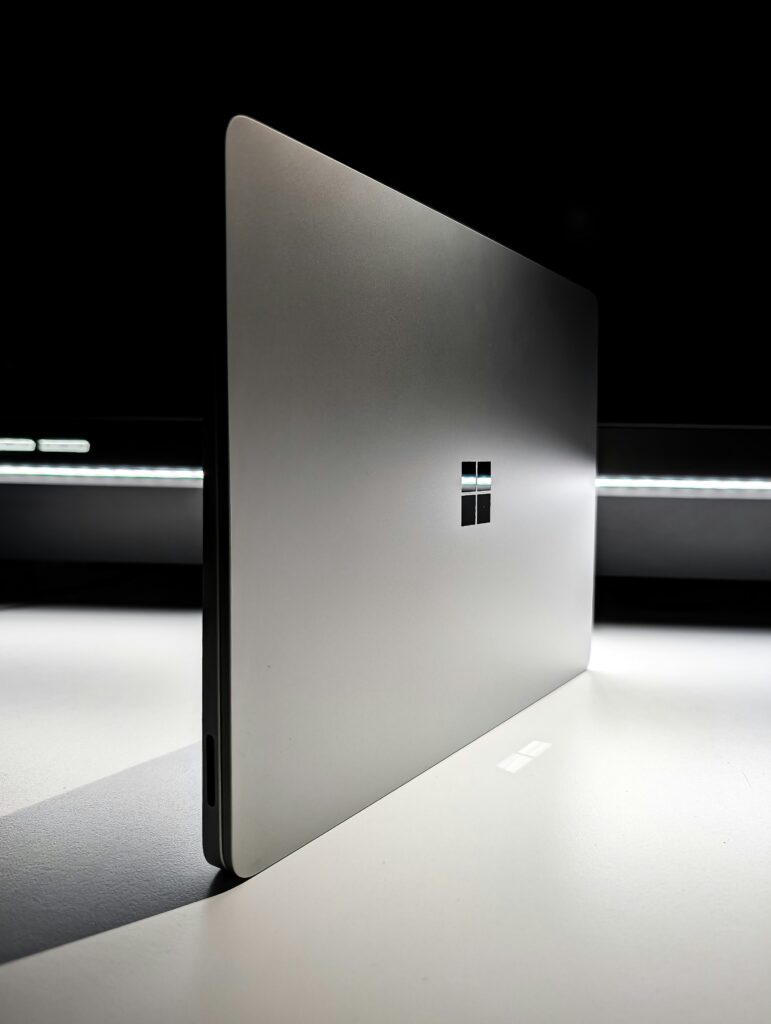
Microsoft officially launched Copilot+ PCs on May 20, 2024, ushering in a new era of AI-powered Windows computing. These new PCs are primarily powered by Qualcomm’s Snapdragon X Elite/Plus processors, featuring dedicated NPUs capable of 45 TOPS for on-device AI processing. Key exclusive AI features include Recall (a searchable photographic memory of your PC), Cocreator (on-device AI image generation), Live Captions (real-time translation), and enhanced Windows Studio Effects for video calls. Microsoft claims Copilot+ PCs are significantly faster and more power-efficient than competitors like the MacBook Air M3. The introduction of Copilot+ PCs is set to reshape the industry by intensifying NPU development, creating new opportunities for OEMs, and encouraging developers to optimize for AI hardware. For users, these devices promise enhanced productivity, creative capabilities, and accessibility, alongside improved battery life, but also raise considerations regarding privacy and initial software compatibility. Experts predict Copilot+ PCs are the beginning of a broader shift towards ‘AI PCs’ becoming the standard, with future advancements focusing on deeper personalization and an expanded NPU-optimized application ecosystem.

Unveiling Copilot+ PCs: Your Next-Gen Windows Experience Guide Read More »

Next-Gen Enterprise Automation Startup Secures Game-Changing Funding

SynapseFlow AI, a next-gen enterprise automation startup, secured $150 million in Series C funding on May 28, 2024, led by Apex Ventures and Horizon Capital. The funding validates the growing market demand for advanced AI-powered workflow solutions that move beyond traditional RPA. SynapseFlow AI’s ‘Cognitive Flow Engine’ leverages machine learning and predictive analytics to provide adaptive, intelligent automation across various industries. The technology’s impact includes streamlining finance, healthcare, and supply chain operations, significantly reducing costs and improving efficiency. Industry predictions point towards an evolution from rules-based RPA to autonomous, self-improving AI systems, necessitating strategic adoption and workforce reskilling.

Next-Gen Enterprise Automation Startup Secures Game-Changing Funding Read More »

Unlocking Next-Gen Productivity: Apple Intelligence Features Guide for iOS 18

Apple Intelligence integrates generative AI directly into iOS 18, iPadOS 18, and macOS Sequoia. Key features include system-wide Writing Tools for text refinement and Image Playground for on-device image generation. Siri receives a major upgrade, offering deeper contextual understanding, memory, and cross-app functionality. Private Cloud Compute ensures user privacy by processing complex requests on secure, non-storing Apple silicon servers. The system promises significant productivity gains for both individual users and professional workflows. Future developments likely include expanded third-party app integration and strategic partnerships like the one with OpenAI.

Unlocking Next-Gen Productivity: Apple Intelligence Features Guide for iOS 18 Read More »

Revolutionizing Workflows: The Future of Enterprise AI Automation Unveiled

Generative AI is rapidly moving from theoretical potential to practical enterprise application, fundamentally reshaping business operations. Major tech players like Microsoft, Google, and OpenAI are significantly investing in and expanding AI tools for enterprise workflows. Expert analyses from Gartner and Forrester project substantial growth in AI spending for productivity and automation, highlighting its strategic importance. AI automation is transforming various industries (finance, healthcare, legal) by automating complex tasks and improving decision-making. The impact for users includes increased efficiency and focus on strategic tasks, while businesses benefit from cost savings, accuracy, and scalability. The future points towards hyper-automation and autonomous AI agents, emphasizing human-AI collaboration and presenting new ethical and regulatory challenges. Proactive adoption and strategic integration of Enterprise AI Automation are crucial for businesses seeking innovation, efficiency, and sustained growth.

Revolutionizing Workflows: The Future of Enterprise AI Automation Unveiled Read More »

Nvidia Blackwell Architecture: Unveiling Next-Gen GPU Dominance

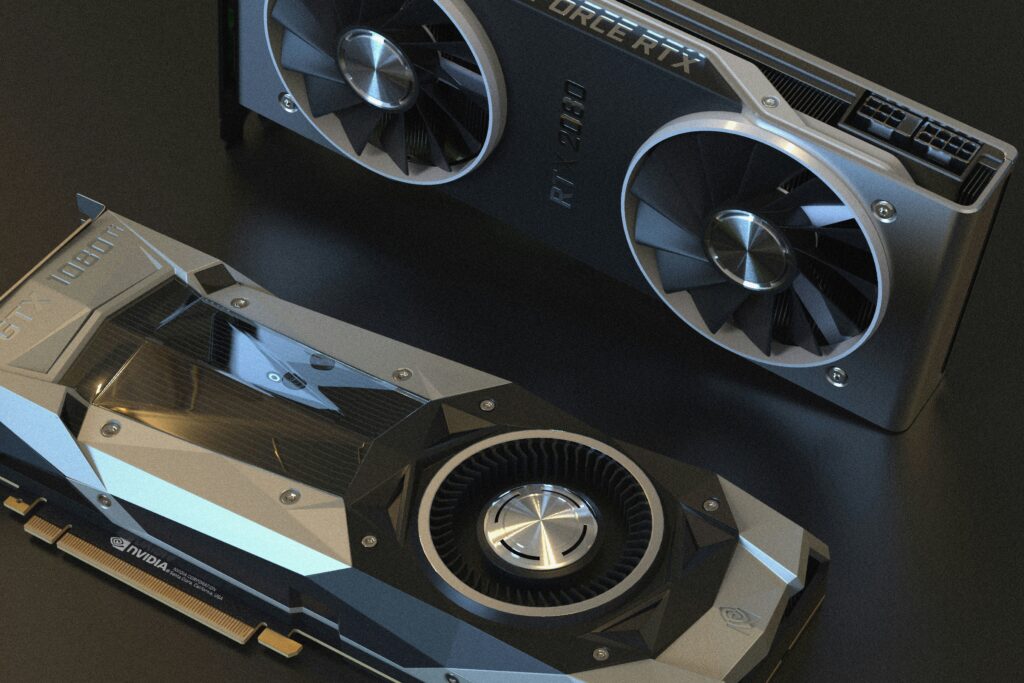
Nvidia officially unveiled its Blackwell GPU architecture, featuring 208 billion transistors and optimized for cutting-edge AI workloads. The architecture includes a Second-Generation Transformer Engine, Fifth-Generation NVLink, RAS Engine, and Secure AI features for unparalleled performance and reliability. Blackwell promises up to 30x faster AI inference and 25x less power consumption compared to its predecessor, Hopper. Major cloud providers are set to adopt Blackwell, cementing Nvidia’s leadership in the AI accelerator market. Its impact spans AI development, enterprise solutions, and high-performance computing, driving innovation across various industries. Future consumer GPUs are speculated to eventually leverage this architecture, enhancing gaming and consumer AI applications.

Nvidia Blackwell Architecture: Unveiling Next-Gen GPU Dominance Read More »

Nvidia’s AI Ecosystem: Fueling Next-Gen Startup Growth & Investment

Nvidia’s Blackwell architecture and NVIDIA Inference Microservices (NIMs) are significantly lowering the barrier for AI startups to develop and deploy advanced solutions. Venture capital investment in AI startups is increasingly directed towards those leveraging scalable and future-proof infrastructure provided by Nvidia. NIMs accelerate generative AI deployment, allowing startups to focus on application-layer innovation rather than infrastructure. Nvidia’s comprehensive ecosystem de-risks investments for VCs, positioning startups utilizing their platforms favorably for funding. The trend points towards future consolidation of generic AI solutions and specialization in niche applications, all powered by foundational AI platforms.

Nvidia’s AI Ecosystem: Fueling Next-Gen Startup Growth & Investment Read More »