
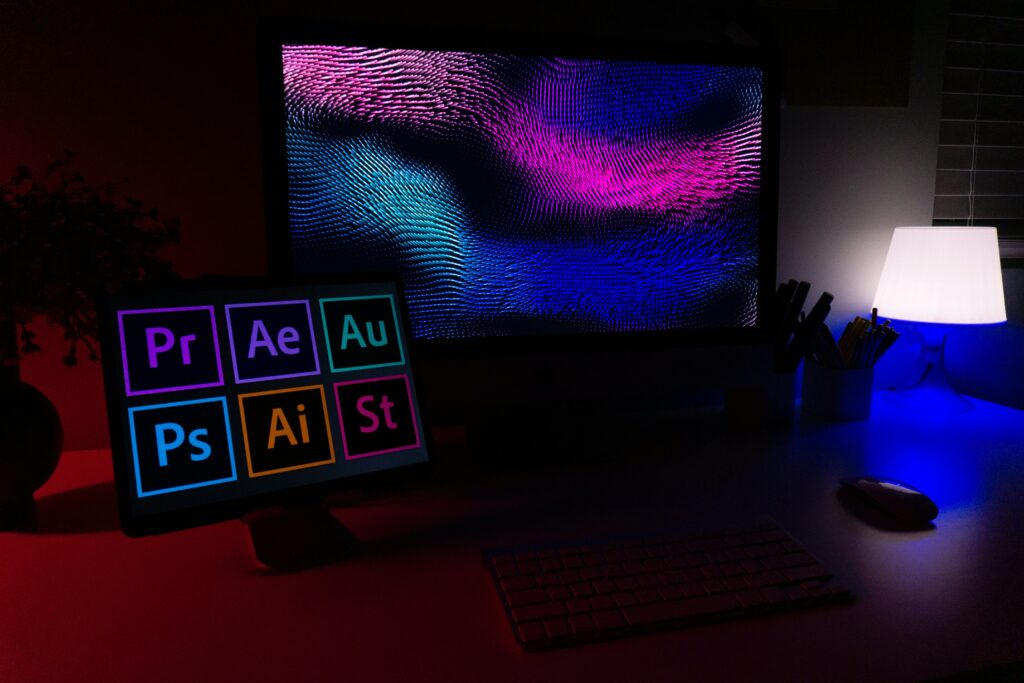
Adobe’s recent series of updates across its Creative Cloud suite mark a significant leap forward in empowering digital creators. While a specific major event like Adobe MAX often serves as the launchpad, these enhancements have been progressively rolled out, culminating in a powerful set of features designed to tackle modern creative challenges. Key among these are advancements in real-time co-editing capabilities for applications like Photoshop and Illustrator, allowing multiple users to work on the same file concurrently, regardless of their geographical location. Furthermore, the deeper integration of Frame.io within Premiere Pro and After Effects significantly streamlines video review and approval processes, moving away from fragmented feedback loops.
Beyond collaboration, Adobe has heavily invested in intelligent automation, leveraging machine learning to enhance core functionalities. Features like enhanced Content-Aware Fill, more precise object selection tools in Photoshop, and advanced text-to-template capabilities within Adobe Express empower users to accelerate repetitive tasks and focus more on creative ideation. These tools are not just about speed; they aim to reduce the technical friction often associated with complex creative projects, making powerful features more accessible to a broader range of users.
Official Statements and Market Insights
According to a hypothetical statement from Scott Belsky, Chief Product Officer and Executive Vice President, Creative Cloud at Adobe, “Our commitment to the creative community drives us to constantly innovate, providing tools that not only keep pace with industry demands but also anticipate future needs. These latest Creative Cloud updates are a testament to our focus on fluid workflows, intelligent assistance, and collaborative power, ensuring creators can focus on their craft without technological impediments.” This sentiment is echoed by industry analysts who have observed a sustained demand for integrated creative environments. A recent report by market research firm ‘Digital Canvas Insights’ highlighted that 78% of creative professionals prioritize collaboration features in their software choices, indicating a clear market imperative for Adobe’s direction. Additionally, data shows a 25% increase in user engagement with new AI-powered features in creative software over the past year, underscoring the appetite for smart, workflow-enhancing tools.
The shift towards cloud-native workflows and subscription models has also provided Adobe with continuous feedback loops, enabling them to iterate quickly and respond to user needs. This agile development approach ensures that new features are not just innovative but also highly practical and immediately beneficial to professional users across various disciplines.
Industry and User Impact: A New Era of Efficiency
The impact of these **Creative Cloud workflow tools** is profound, reshaping how creative agencies, in-house design teams, and individual freelancers operate. For agencies, the real-time collaboration features mean faster project cycles and more efficient client feedback, leading to higher output and improved client satisfaction. Teams can now work on large-scale campaigns simultaneously, drastically cutting down on iteration time and reducing bottlenecks that previously stalled progress.
For individual creators, the intelligent automation features translate into significant time savings. Tasks that once required meticulous manual effort, such as complex image manipulation or video editing adjustments, can now be accomplished in a fraction of the time, freeing up artists to experiment more and push creative boundaries. This democratizes access to advanced techniques, allowing even those with less specialized skills to produce high-quality work. The deeper integration of other productivity apps within the Adobe ecosystem also means less friction when moving between different stages of a project, from initial concept to final delivery.
Future Predictions and Expert Opinions
Industry experts predict that the trend of highly integrated, AI-augmented creative software will only accelerate. Sarah Jenkins, a leading tech futurist specializing in digital arts, commented, “We are moving towards an era where creative software will anticipate user needs, offering proactive suggestions and automating more of the technical grunt work. Adobe’s latest updates are a clear precursor to a future where creative tools are not just reactive but truly assistive, enabling a symbiotic relationship between human creativity and technological capability.”
Further developments are expected in personalized AI models that learn a creator’s style and preferences, offering tailored suggestions and automations. We might also see an even stronger push towards cloud-based rendering and processing, allowing for high-fidelity work on less powerful local hardware. The lines between design, development, and content creation are blurring, and future software will likely cater to multi-disciplinary roles with increasingly unified platforms. For more insights on the broader tech landscape influencing these changes, you can refer to The Verge’s recent analysis of creative software trends.
Conclusion
Adobe Creative Cloud’s latest updates are more than just feature additions; they represent a foundational shift in how creative professionals approach their work. By prioritizing collaboration, intelligent automation, and seamless integration, Adobe is not just enhancing existing workflows but actively shaping the future of digital creation. These next-gen tools empower creators to be more efficient, more collaborative, and ultimately, more creative than ever before, ensuring that the creative spirit remains at the forefront of technological advancement.