
The Rise of Autonomous Enterprise Agents
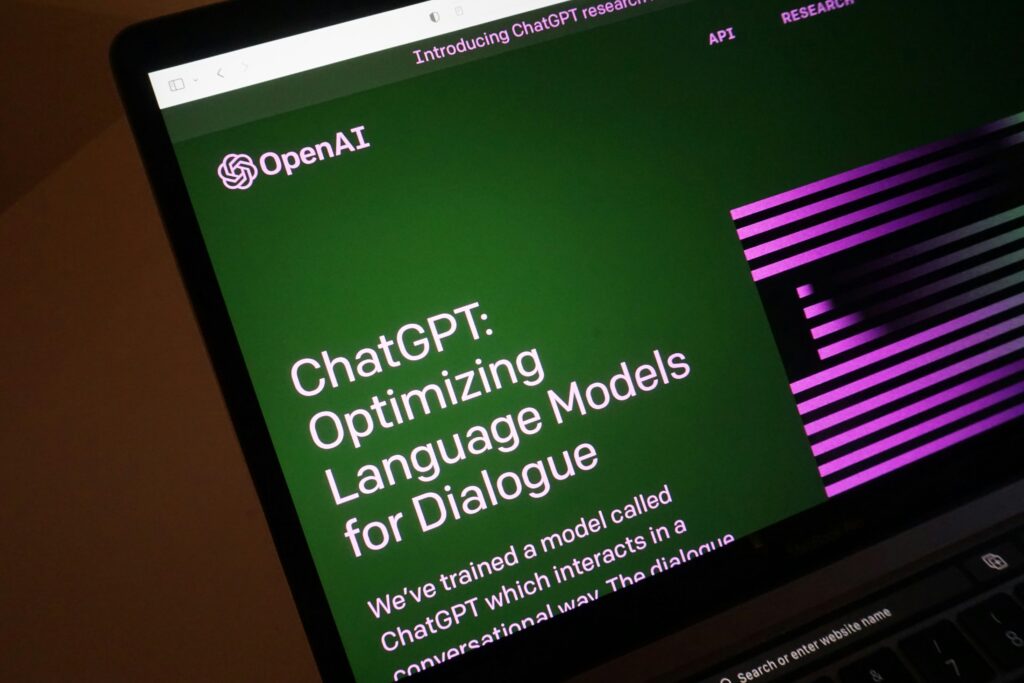
In a major development reported in late November 2024, OpenAI signaled its intent to launch ‘Operator,’ an autonomous agent framework. Unlike previous iterations of large language models that primarily process information, Operator is built to interact with computer systems autonomously. This technological leap reflects a broader industry trend where leaders like Microsoft, Google, and OpenAI are racing to move from chat-based assistants to ‘doer’ agents that handle complex workflows independently.
Bridging the Gap Between Intent and Execution
Current enterprise automation often relies on brittle APIs and complex RPA (Robotic Process Automation) scripts that break under the slightest UI change. According to Bloomberg Tech, OpenAI’s strategy involves creating agents capable of observing a screen and performing actions like clicking, typing, and navigating through various software applications. For industries heavily reliant on manual data entry and cross-platform management, this represents a significant reduction in technical debt.
Implications for Workflow Consulting
At ByteTechScope, we have observed that the most successful digital transformations occur when human strategy meets high-level automation. The introduction of Operator-like tools suggests that the future of consulting will shift from building custom code to managing ‘agentic’ workflows. Companies that adopt these systems early will likely see a massive increase in operational efficiency, as these agents can execute tasks across legacy software environments that were previously inaccessible to traditional AI.
Expert Predictions: The Future of Agentic AI
Industry analysts anticipate that by 2025, the majority of repetitive administrative tasks in Fortune 500 companies will be delegated to autonomous agents. While these models are currently in their nascent stages, the goal is to provide a seamless interface where a user simply states a business objective, and the agent orchestrates the necessary software maneuvers. However, businesses must remain cautious about security and governance, ensuring that these agents operate within strict compliance frameworks.
Concluding Thoughts on Automation
The dawn of agentic AI is not just another trend; it is a fundamental reconfiguration of the digital workspace. As OpenAI continues to refine these systems, enterprises should focus on auditing their current manual workflows to identify the first candidates for automation. The path to a more efficient future lies in embracing these intelligent agents while maintaining a clear, human-led strategy for long-term scalability.