
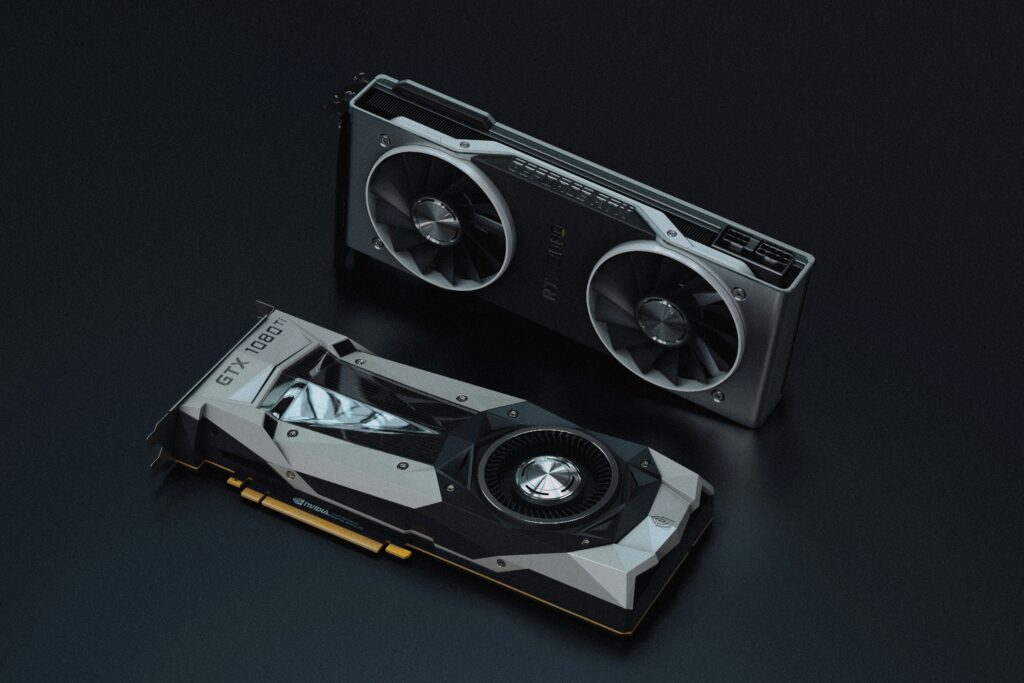
The Dawn of the Blackwell Era
Announced officially in early 2024 with subsequent deployment updates throughout the year, the NVIDIA Blackwell architecture represents the most ambitious hardware project in the company’s history. Unlike previous iterations that focused primarily on incremental gains, Blackwell is built on a custom-built 4NP TSMC process, integrating two reticle-limited dies connected by a 10 TB/s chip-to-chip link. For organizations managing large-scale workflows, this is not merely a spec bump; it is a fundamental shift in how data centers handle compute-intensive tasks.
Technical Specifications and Performance Metrics
At the core of the Blackwell B200 GPU lies a staggering 208 billion transistors. According to official reports from The Verge, the architecture introduces a second-generation Transformer Engine that supports new 4-bit floating point AI inference capabilities. This allows the hardware to maintain high precision while significantly reducing the energy cost per query. In practical application, this means that companies moving from the H100 to Blackwell can expect up to a 30x performance increase in real-time generative AI inference, significantly lowering the barrier to entry for enterprise-grade autonomous systems.
Impact on Workflow Automation and Data Consulting
For our clients at ByteTechScope, the arrival of Blackwell GPUs changes the calculus for infrastructure investment. If you are interested in how hardware optimization informs strategy, check out our guide on Optimizing Cloud Infrastructure for AI. By leveraging the increased bandwidth and reduced latency of the Blackwell platform, consulting firms can now run massive digital twin simulations that were previously computationally prohibitive. This leads to faster decision-making cycles and more accurate predictive modeling for manufacturing and logistics sectors.
Future Predictions: The Long-Term ROI
Industry experts predict that the Blackwell series will set the standard for data centers for the next 24 to 36 months. While the initial capital expenditure for Blackwell-enabled racks is substantial, the total cost of ownership (TCO) is expected to decline over time due to the architecture’s superior power efficiency. We foresee a trend where businesses shift away from generalized GPU clusters toward specialized, Blackwell-powered pods that offer dedicated performance for mission-critical applications. Companies that adopt these systems now will likely gain a competitive advantage in latency-sensitive markets.
Final Thoughts
NVIDIA Blackwell is more than just hardware; it is a catalyst for the next wave of industrial automation. While the market is currently experiencing high demand and supply constraints, the technical reality remains clear: the platform is built to handle the complexities of the modern digital economy. For organizations ready to scale, the transition to Blackwell represents a strategic move toward future-proofing their technological foundation.