
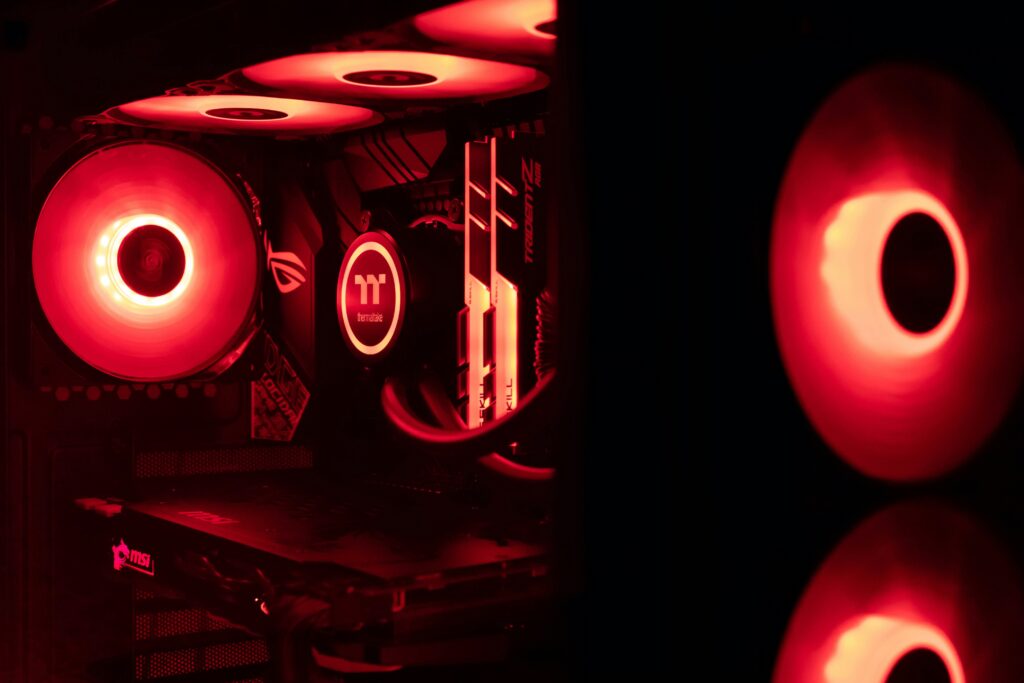
The Dawn of the Blackwell Era
In a significant shift for the semiconductor industry, Nvidia has officially confirmed that the Blackwell GPU architecture is entering a high-volume production phase. This development follows months of intense speculation regarding supply chain adjustments and technical refinements. As of recent industry reports, the Blackwell series is designed to handle the massive compute demands that characterize modern digital infrastructure.
Technical Prowess and Architectural Shifts
At its core, the Blackwell architecture represents a fundamental departure from the previous Hopper generation. By utilizing a multi-chip module design, Nvidia has managed to scale performance to unprecedented levels. According to official disclosures provided during recent financial briefings, this hardware is engineered to reduce energy consumption while exponentially increasing the speed of data processing. This is not merely a marginal improvement; it is a structural evolution in how data centers are architected.
Market Impact and Strategic Implementation
The rollout of Blackwell is not just a win for gaming or niche research; it is a critical infrastructure update for the global business sector. Large-scale enterprises that depend on automation are finding that legacy hardware is becoming a bottleneck. By integrating these new GPUs, companies can accelerate their workflows, from complex simulation modeling to real-time data analysis. For more context on how current hardware dictates business performance, you can read our previous analysis on scaling digital infrastructure for future growth.
Industry Perspectives and Expert Consensus
Analysts from sources like Bloomberg Tech have noted that the massive capital expenditure surrounding Blackwell indicates a long-term belief in hardware-driven automation. Industry experts suggest that the bottleneck is no longer just about software capabilities, but about the physical ability of hardware to manage the sheer volume of information generated by automated processes today. The architectural design of Blackwell allows for a more seamless orchestration of tasks, which is vital for the stability of large-scale technology deployments.
Looking Toward the Future
While the hardware is entering production now, the full realization of its power will likely take months to materialize as cloud service providers and data center operators finalize their installations. We anticipate that by next year, the standard for ‘high performance’ will have shifted significantly. Organizations should begin evaluating their current hardware strategy to ensure they are prepared for the integration of these high-efficiency chips. Staying informed is the first step in avoiding technological debt in a rapidly evolving market.