
The Evolution of OpenAI’s Enterprise Strategy
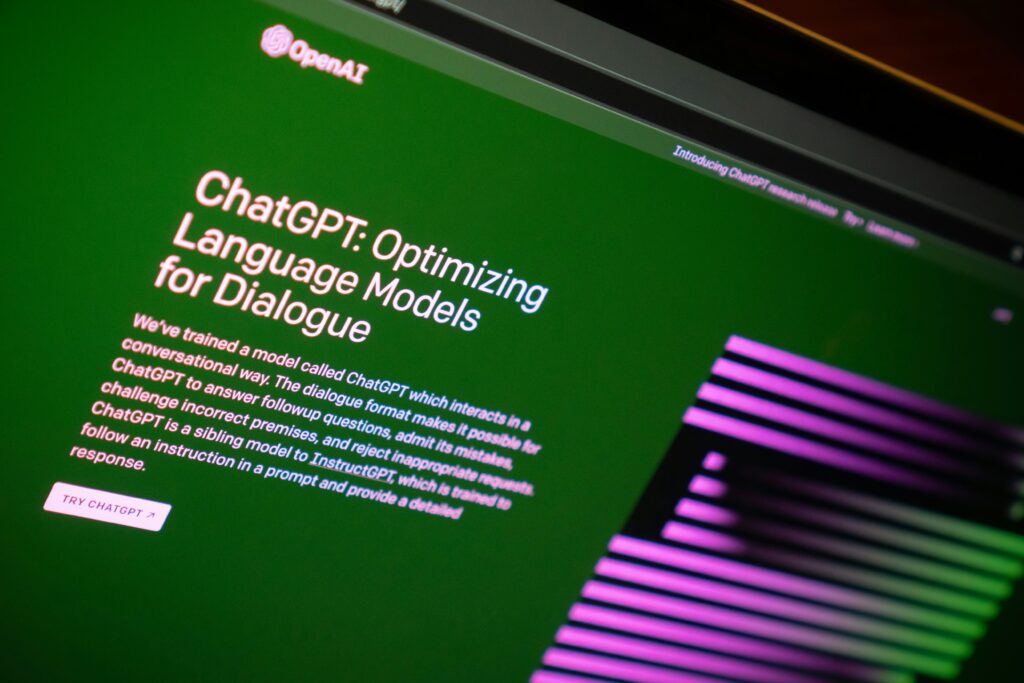
In the past week, discussions surrounding OpenAI’s structural evolution have intensified within the tech community. As the company moves to solidify its position as the primary engine for business intelligence, industry leaders are watching closely. The shift from a research-heavy entity to a product-focused powerhouse mirrors a broader trend where intelligent systems are no longer experimental—they are foundational.
Data-Driven Integration for Scalability
According to recent reports from Bloomberg Tech, OpenAI is refining its enterprise offerings to address the specific needs of large-scale corporations. This involves moving beyond standard API calls to provide robust, secure environments where proprietary data can be processed without compromising privacy. For businesses, this means the barrier to implementing advanced automation has lowered, allowing for a more seamless integration into existing software stacks.
The Impact on Digital Transformation
The core of this transformation lies in how companies handle machine learning workflows. When intelligent systems are integrated into daily operations, the result is a significant reduction in technical debt. Our previous analysis on workflow automation best practices highlights that the key to success is not just adopting the tech, but re-engineering processes to support it. As OpenAI evolves, the focus shifts to reliability, uptime, and the ability of these systems to act autonomously in high-stakes environments.
Expert Opinions and Future Projections
Industry analysts suggest that the next 18 months will be defined by the ‘application layer’ of AI. While the models themselves are powerful, the value for enterprise lies in the orchestration layer. We predict that firms capable of aligning their data governance with AI capabilities will outperform competitors by a significant margin. The integration of intelligent agents into CRM, ERP, and project management tools is no longer a futuristic dream; it is an immediate strategic mandate.
Conclusion
Navigating the rapid advancements in OpenAI’s offerings requires a balanced perspective. It is essential to treat these tools as infrastructure rather than mere shortcuts. By focusing on sustainable adoption and clear operational goals, organizations can turn the current wave of innovation into a long-term competitive advantage. As the ecosystem matures, maintaining a pragmatic approach to deployment will define the winners of this new technological era.