
The Emergence of Reasoning-Driven AI
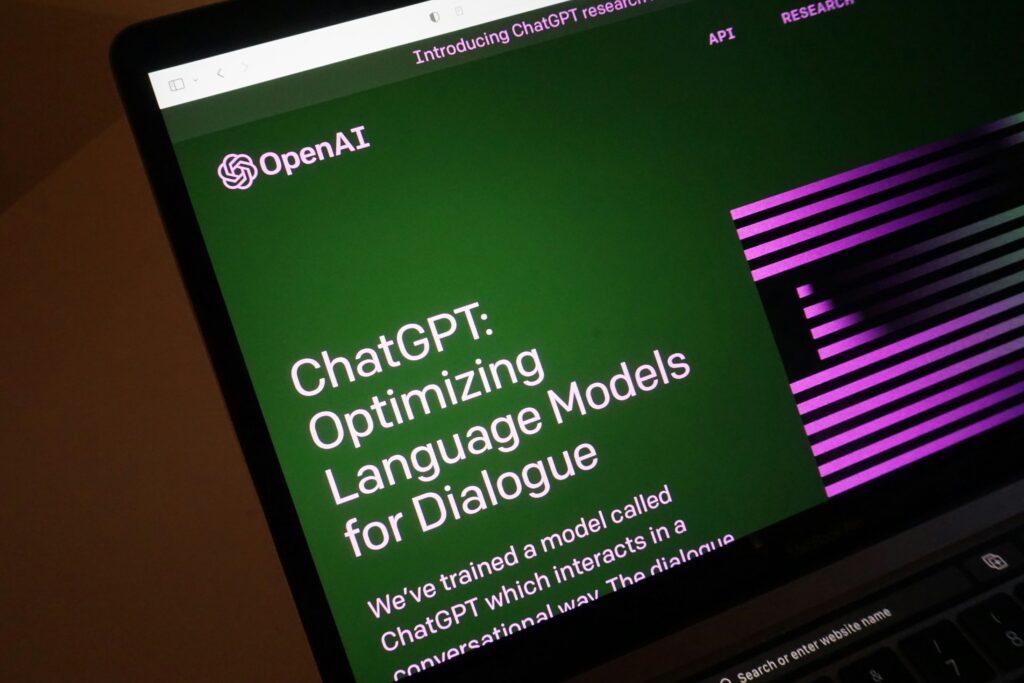
On September 12, 2024, OpenAI officially introduced the o1 model series, designed to “think” before they respond. This approach represents a departure from traditional Large Language Models (LLMs) that prioritize conversational speed. Instead, the o1 model utilizes a chain-of-thought process to refine its logic, effectively reducing hallucination rates in complex domains such as software engineering, advanced mathematics, and scientific research. According to TechCrunch, this architecture allows the model to tackle multi-step problems that previously baffled standard models.
Why Reasoning Matters for Workflow Automation
In our work at ByteTechScope, we emphasize that true automation requires more than just content generation—it requires decision-making capability. The o1 model’s ability to parse complex constraints mirrors the logic required in enterprise resource planning (ERP) and supply chain management. By integrating these systems, companies can automate nuanced decision-making processes that previously required human oversight. For more on how we approach such integrations, read our guide to workflow automation strategies.
Industry Impact: From Code to Strategy
The implications for software development are profound. The o1 model has demonstrated the capacity to solve competitive-level coding challenges, suggesting that in the near future, enterprise software development cycles could see a 30-40% reduction in debug time. Beyond engineering, finance and legal sectors stand to benefit from the model’s ability to cross-reference vast datasets with improved logical consistency. We are currently observing a shift where business units are moving from testing AI for creative writing toward deploying it for structural, data-driven analysis.
Expert Opinions and Future Outlook
Industry analysts remain cautiously optimistic. While the processing latency for these “reasoning” queries is higher than standard models, the value proposition lies in the reduction of manual verification. Experts suggest that we are entering a phase of “Agentic AI,” where software doesn’t just suggest a path but evaluates the most efficient execution strategy based on live environmental variables. Our team believes that by 2025, the standard for “intelligent” software will be defined by this capacity for iterative reasoning.
As we move forward, the challenge for business leaders will be data governance and integration quality. The most sophisticated engine is only as effective as the data it processes. Organizations must prioritize robust data architecture if they hope to leverage the full potential of these advanced reasoning models.