
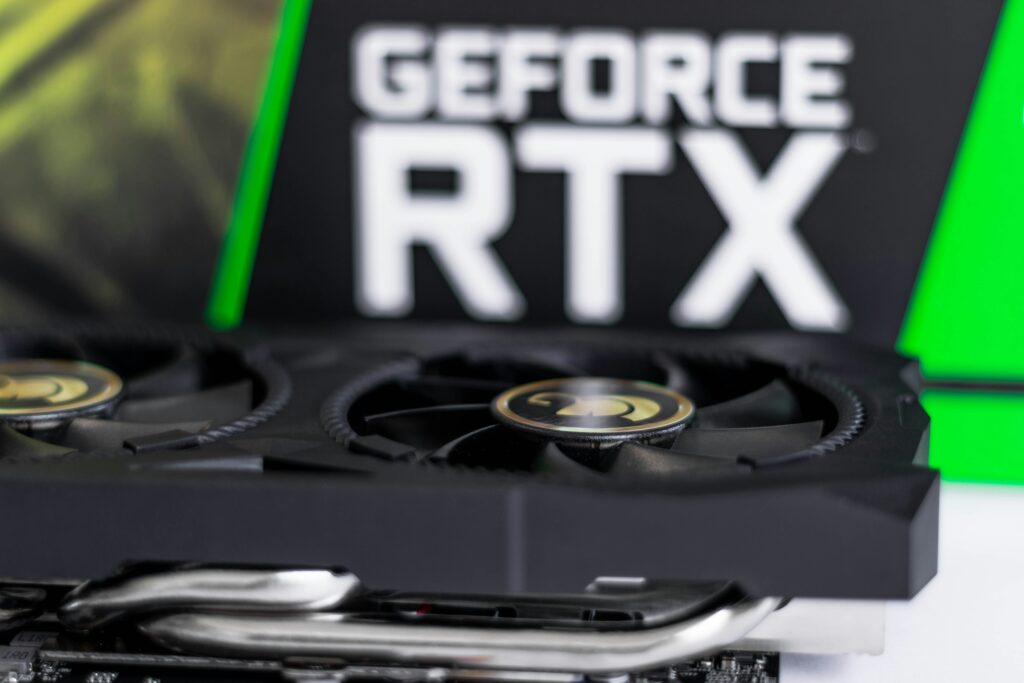
The Dawn of the Blackwell Era
In recent updates, Nvidia has officially begun the transition toward its Blackwell architecture, a successor designed to handle the increasingly complex workloads of modern data centers. Announced to address the bottlenecking issues seen in previous generations, Blackwell integrates massive transistor counts with advanced packaging techniques. This move marks a pivotal moment for semiconductor innovation, aiming to provide the raw power required for next-level simulations and high-density computing.
Technical Prowess and Efficiency
According to official disclosures from The Verge, the Blackwell B200 GPU incorporates 208 billion transistors, a staggering leap that necessitates new cooling and power delivery standards. Unlike previous iterations, Blackwell focuses on reducing the energy cost per operation, which is critical for companies looking to scale their infrastructure without incurring unsustainable operational expenses. Our team at ByteTechScope has previously analyzed the importance of optimizing legacy systems for modern data demands, and the introduction of Blackwell provides the hardware foundation necessary to execute these high-level optimizations.
Impact on Global Tech Infrastructure
The implications of this hardware release extend far beyond gaming or consumer electronics. The primary beneficiaries are enterprise-level data centers and research institutions. By minimizing latency and maximizing memory bandwidth, Nvidia is enabling faster iteration cycles for hardware design and physical simulations. Industry analysts suggest that this hardware jump will serve as a catalyst for more rapid adoption of localized processing units, allowing organizations to maintain greater control over their technical environments.
Expert Opinions and Future Outlook
While the hardware is undeniably impressive, industry experts remain cautious about supply chain integration. The demand for such specialized components currently outstrips production capacity, potentially leading to a period of industry-wide waiting lists. However, the consensus among systems architects is clear: Blackwell is not merely an incremental update; it is a fundamental shift in how we approach GPU-accelerated computing. As companies continue to navigate the complexities of digital transformation, investing in scalable, efficient hardware will remain a top priority.
Conclusion
The Nvidia Blackwell architecture stands as a testament to the pace of hardware innovation. For businesses operating at the intersection of high-scale data and automation, understanding the capacity of these tools is essential. As we look toward the remainder of the year, we anticipate that the integration of this architecture will trigger a ripple effect, forcing competitors to accelerate their own research and development roadmaps.