
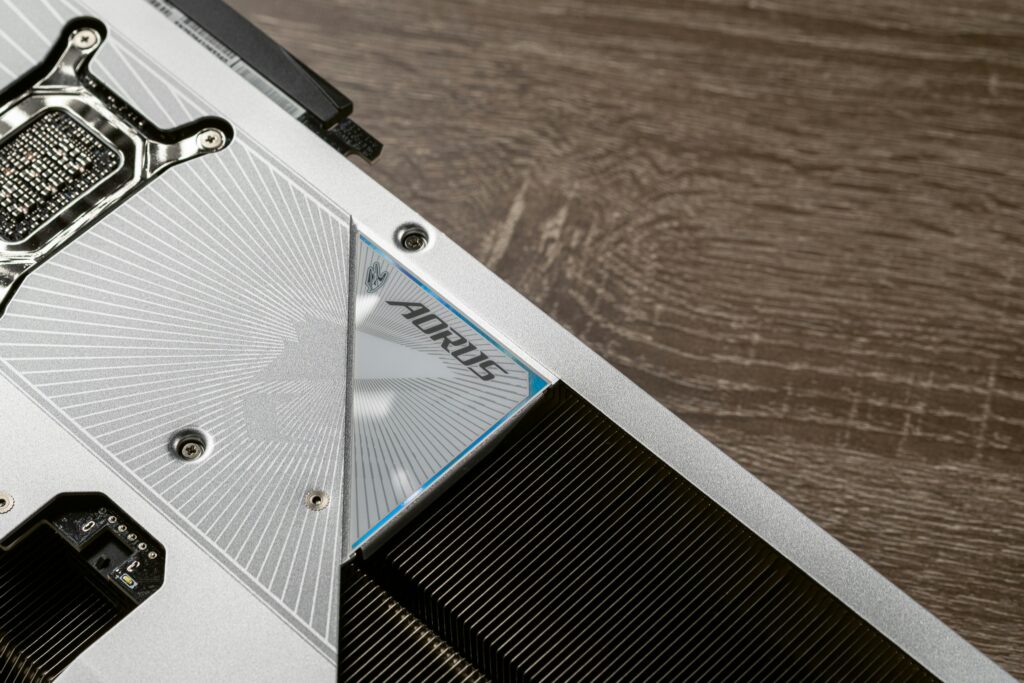
The Emergence of Blackwell Architecture
In a series of recent updates confirming the deployment of its new Blackwell architecture, Nvidia has signaled a major transition in enterprise hardware. Industry analysts and supply chain reports from late October 2024 have highlighted that the company is moving toward full-scale production. This architecture is designed specifically to address the bottlenecks in data-intensive tasks that have plagued traditional server environments for years.
Technical Precision and Efficiency
According to reports from Bloomberg Tech, the Blackwell GPU chips are engineered for massive scale, utilizing a multi-chip module design that significantly increases interconnect speeds compared to the preceding Hopper generation. This isn’t just about raw speed; it is about the thermal and energy efficiency required to maintain modern data centers. The focus is on facilitating seamless workflows for large-scale operations that require consistent, high-uptime hardware performance.
Strategic Impact on Industry Infrastructure
For consultants and CTOs, the introduction of Blackwell means rethinking current hardware procurement strategies. The shift toward specialized hardware that prioritizes high-bandwidth memory and efficient parallel processing is essential. As our previous analysis on cloud-integrated hardware evolution suggests, the hardware you choose today dictates your operational elasticity for the next five years. Companies adopting this architecture stand to reduce their latency significantly, turning massive, dormant datasets into actionable insights in real-time.
The Road Ahead: Expert Predictions
Industry consensus suggests that we are entering an era of “specialized compute.” The days of relying solely on general-purpose servers are numbered. As Blackwell enters the market, we expect to see a surge in demand for optimized data center cooling solutions and high-speed networking infrastructure. While some observers have noted potential supply chain complexities during the initial ramp-up phase, the long-term trajectory points toward a standard shift in how enterprises architect their core systems.
Conclusion
The transition to Blackwell-based systems represents more than just a component refresh; it is a catalyst for hardware-driven business optimization. By aligning infrastructure investments with this new generation of power, organizations can move from reactive maintenance to proactive scaling, ensuring they remain competitive in an increasingly demanding market.