
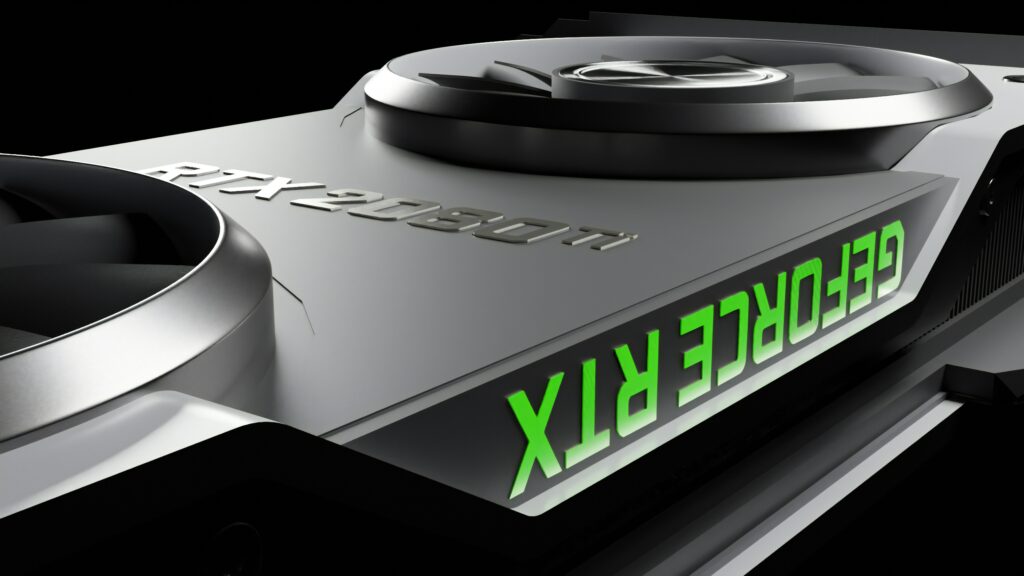
The Unveiling of Nvidia Blackwell
Announced officially by Nvidia, the Blackwell architecture is not merely an iteration but a foundational shift in GPU technology. Following the success of the Hopper architecture, Blackwell introduces a new multi-die design that drastically increases transistor density. By integrating two reticle-limited dies into a single chip, Nvidia has achieved a performance-per-watt improvement that is crucial for businesses managing massive data lakes and AI-driven automation projects.
Data-Driven Performance Metrics
According to official reports from The Verge, the Blackwell B200 GPU is engineered to deliver up to 30 times the performance of its predecessors in specific large-scale model inference tasks. This jump is facilitated by a second-generation Transformer Engine, which supports new 4-bit floating point AI inference capabilities. For consulting firms, this data confirms that the barrier to entry for training complex models is lowering, allowing smaller enterprises to leverage power previously reserved for hyperscalers.
Impact on Industrial Automation
The integration of Blackwell-powered systems into current workflows means that automated systems can now process multi-modal data—text, video, and sensory input—in near real-time. This is a game-changer for manufacturing and logistics. For deeper insights into how such hardware supports advanced automation, check our analysis on automating enterprise workflows. By reducing latency, Blackwell allows for more autonomous decision-making in edge computing scenarios, essentially turning static automation into dynamic intelligence.
Expert Predictions for the Future
Industry analysts predict that the rollout of Blackwell will drive a secondary wave of investment in data center infrastructure. Companies that adopt these systems early will likely see a significant decrease in operational costs associated with compute-heavy tasks. However, the expert consensus remains that hardware alone is insufficient; the true value lies in the software stacks built on top of this architecture. As we look ahead, the ability to orchestrate these GPU clusters will become a key competency for CIOs and CTOs globally.
Conclusion
Nvidia’s Blackwell architecture marks a turning point in what is physically possible within the enterprise data center. While the cost of entry remains significant, the long-term gains in productivity and the ability to handle unprecedented scales of data make it an essential consideration for forward-thinking organizations. As we continue to track this rollout, businesses are advised to assess their current computational needs and consider how such next-gen hardware could accelerate their specific automation roadmaps.