
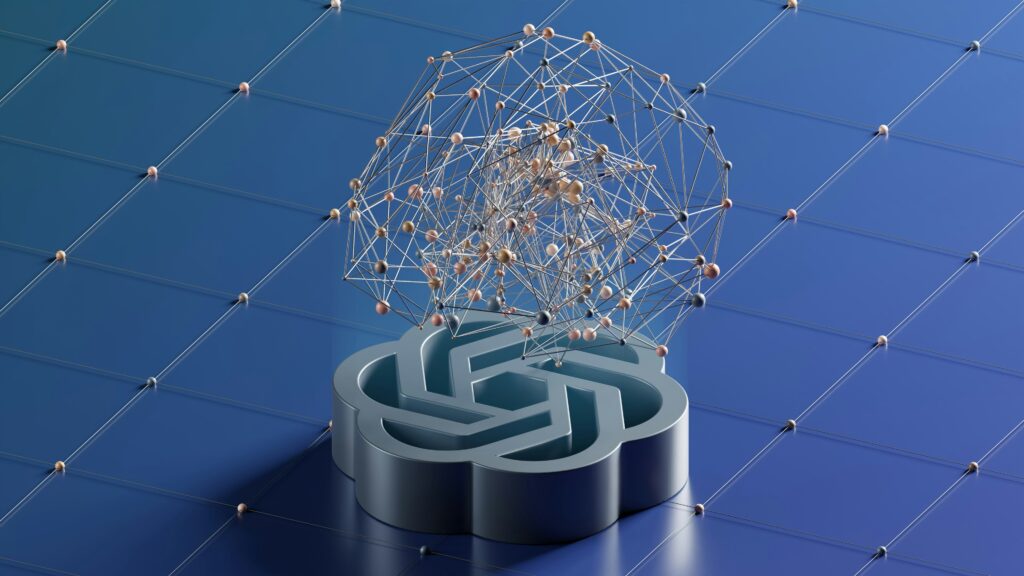
The Emergence of Agentic AI
In the evolving field of AI & Machine Learning, the transition from passive assistants to autonomous agents represents the next frontier. Recent internal briefings at OpenAI have brought the ‘Operator’ project into the spotlight. Unlike current models that primarily generate text or code, Operator is engineered to interact directly with web interfaces to complete multi-step tasks.
Understanding the Technology Behind Operator
According to reports from Bloomberg, the system is designed to perform actions like coding or booking travel by navigating browsers. This is a significant pivot from the ‘Prompt-Response’ model we have grown accustomed to. For businesses already utilizing automated pipelines, this suggests that complex, manual data entry or cross-platform synchronization could soon be offloaded to intelligent agents.
Impact on Enterprise Workflow Automation
At ByteTechScope, we emphasize that true automation is about more than just reducing manual input; it is about creating resilient systems. If OpenAI’s Operator successfully navigates legacy software environments, the barrier to entry for full-scale digital transformation drops significantly. Companies will likely shift their focus from ‘building tools’ to ‘defining outcomes’ while these agents execute the underlying processes.
Expert Predictions and Risks
Industry experts suggest that while the potential for productivity gains is immense, security and authentication remain paramount. Granting an AI ‘agent’ access to navigate your desktop or enterprise software stack requires a robust governance framework. We predict that early adopters will be those who have already digitized their workflows, as these agents thrive on structured digital environments.
The Future of Workforce Collaboration
As we look toward 2025, the synergy between human oversight and agentic performance will become the new standard. Organizations should prepare for a shift where the ‘operator’ role evolves into ‘agent supervision,’ where employees manage AI systems rather than individual tasks. This is a transformation that mirrors previous shifts in software evolution, albeit at an accelerated pace.