
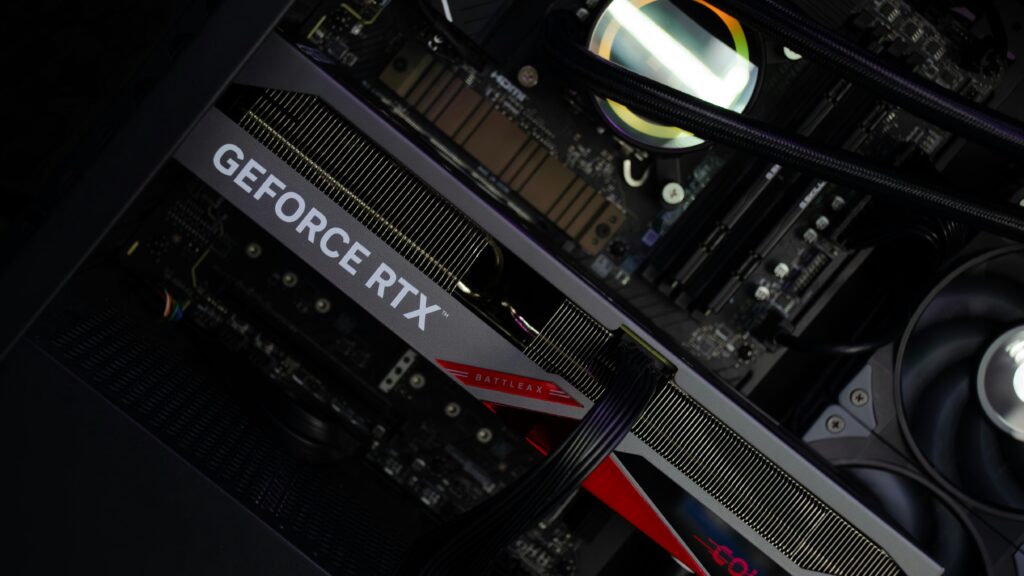
The Dawn of the Blackwell Era
In a series of recent updates, Nvidia has confirmed that the Blackwell GPU platform is currently entering the mass production phase, following successful supply chain scaling efforts. Announced initially earlier this year, this architecture serves as the successor to the highly successful Hopper series. The Blackwell chips are engineered specifically for the trillion-parameter scale of generative models, utilizing a unique dual-die design that is interconnected via a high-speed chip-to-chip link.
Engineering Efficiency and Performance Gains
According to technical specifications released by the company, the Blackwell architecture promises to deliver significantly higher performance-per-watt ratios compared to its predecessors. This is a crucial improvement for data center operators who are currently facing severe power constraints. By integrating 208 billion transistors, the hardware enables unprecedented speeds for both training and inference tasks. As reported by The Verge, while production faced minor timeline adjustments earlier this year, the current manufacturing momentum suggests a robust availability in the coming fiscal quarters.
Impact on Enterprise Workflow Optimization
For businesses looking to integrate intelligent automation into their core operations, the Blackwell GPU is more than just hardware; it is a catalyst for faster workflow deployment. Businesses relying on complex predictive analytics or heavy data processing will find that these GPUs drastically reduce the time required to train bespoke models. We have explored the necessity of robust infrastructure in our guide on infrastructure scaling for modern enterprises, where we emphasize that superior hardware is the foundation of scalable software solutions.
The Future of High-Performance Hardware
Industry experts predict that the shift toward Blackwell-based systems will force a refresh cycle in enterprise server architecture. As hardware becomes more capable, the barrier to entry for training proprietary AI models will continue to lower, allowing even mid-sized companies to leverage insights that were previously reserved for hyperscalers. However, the true challenge lies in software optimization—ensuring that your existing alur kerja (workflows) can fully utilize this next-gen compute power without resulting in bottlenecks elsewhere in your tech stack.
Final Thoughts
The arrival of the Nvidia Blackwell GPU is a signal to CTOs and tech leaders that the threshold for computational efficiency has been raised. Whether your organization is planning a data center upgrade or exploring new avenues for automation, aligning your hardware strategy with the latest innovations is essential for future-proofing your operations.