
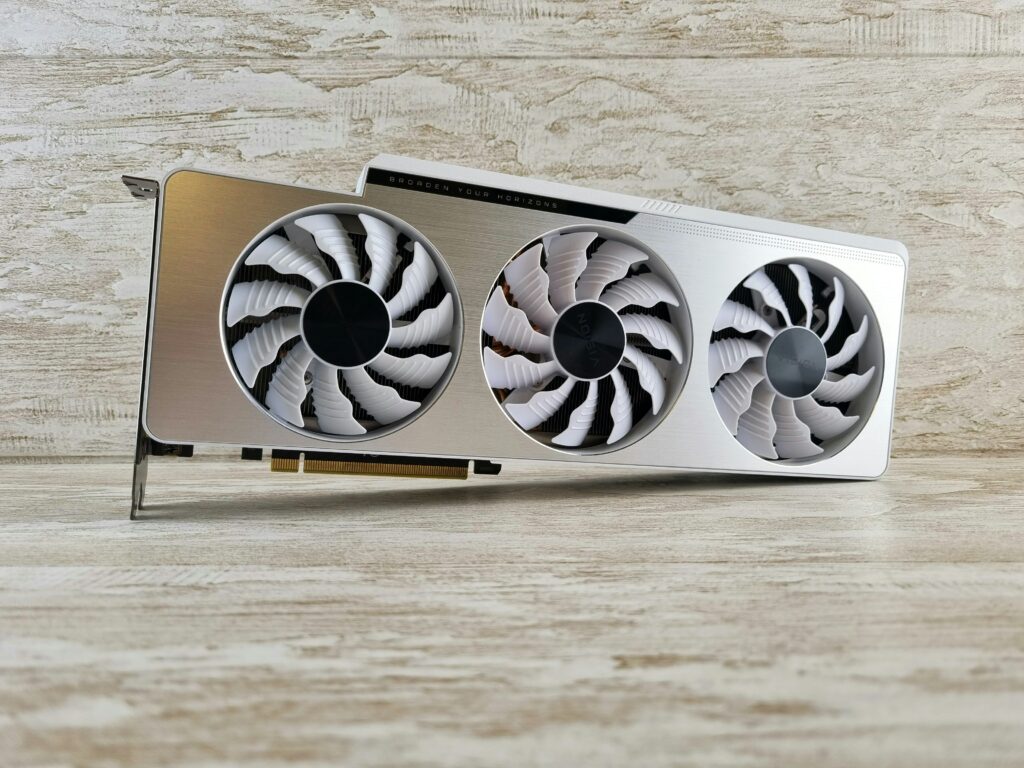
The Unveiling of Nvidia Blackwell
In early 2024, Nvidia officially introduced the Blackwell architecture, a successor to the highly successful Hopper platform. Named after mathematician David Harold Blackwell, this architecture is engineered to provide a massive leap in generative model performance. With the integration of 208 billion transistors on a single package, it represents an engineering marvel that moves beyond traditional GPU design.
Technical Specifications and Real-World Impact
The core of the Blackwell innovation lies in its second-generation Transformer Engine. According to The Verge, the B200 GPU offers significant improvements in power efficiency and compute density compared to its predecessors. For enterprises managing massive datasets, this translates to faster model training times and lower total cost of ownership (TCO) for data centers.
Why Blackwell Matters for Enterprise Workflow
Integrating high-end hardware into existing automated workflows is a challenge. For insights on optimizing your current tech stack, see our previous analysis on optimizing workflow automation. The Blackwell chips are specifically designed to reduce the bottleneck in communication between GPU nodes, allowing for more fluid scaling in distributed computing environments.
The Industry Perspective
Industry analysts have noted that while the hardware is revolutionary, the true value will be realized through software-defined integration. The shift from individual GPU performance to holistic cluster efficiency is the primary goal of the Blackwell release. Organizations are expected to shift their procurement strategies toward this architecture as they prepare for the next wave of computational intensive applications.
Looking Toward the Future
As we analyze the trajectory of hardware development, it is clear that compute power is becoming the new gold standard for industrial capability. While current supply chain constraints remain a talking point, the technical capabilities of Blackwell are expected to set the industry benchmark for at least the next two years. Companies that adopt these systems now will likely gain a competitive advantage in processing speed and analytical depth.