
The Emergence of Reasoning-First Architecture
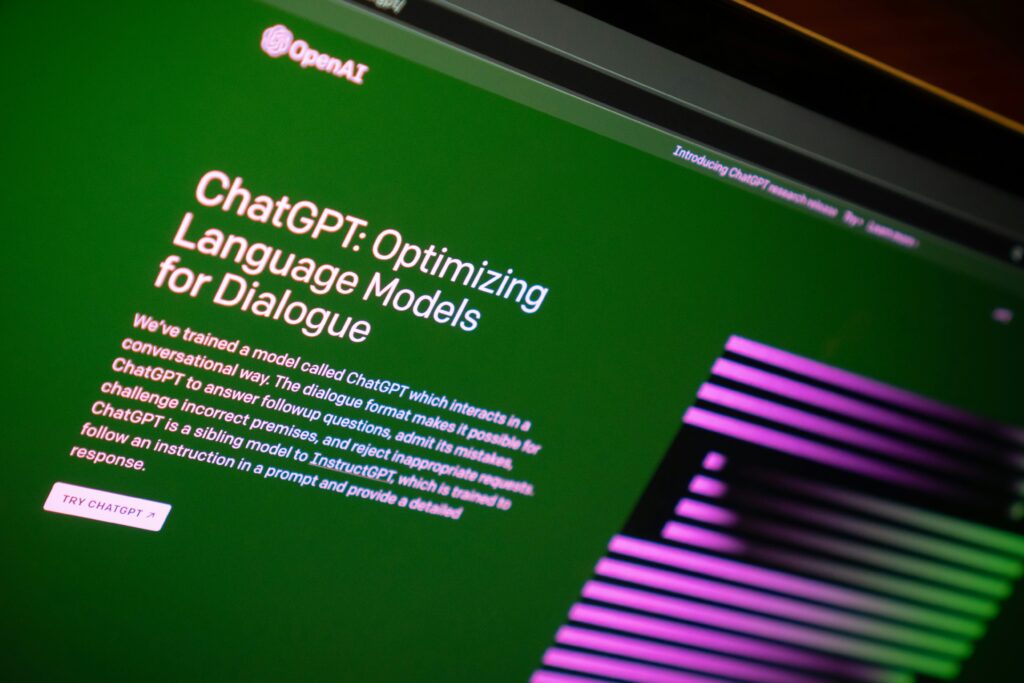
On September 12, 2024, OpenAI introduced the ‘o1’ model series, marking a significant milestone in AI development. This release is built on the premise of ‘Chain of Thought’ processing, where the model performs a logical, step-by-step verification before delivering an output. By internalizing the reasoning process, the model significantly reduces the rate of ‘hallucinations’ that have plagued previous LLM iterations.
According to official reports from The Verge, the o1-preview model demonstrates high performance in competitive programming and complex physics problems, reaching accuracy levels comparable to PhD students in specific benchmarks. This capability is not merely academic; it translates directly into better decision-making engines for corporate environments.
Transforming Enterprise Workflow Automation
In our recent analysis of automating complex workflows, we highlighted the necessity of error reduction in business logic. The o1 model addresses this by acting as an autonomous consultant capable of auditing its own code and logical sequences. Industries such as financial modeling, pharmaceutical research, and software architecture are the immediate beneficiaries of this precision.
By integrating these reasoning systems, companies can automate tasks that previously required human oversight for quality assurance. The shift from ‘probabilistic generation’ to ‘reasoning-verified outputs’ enables the deployment of AI in high-stakes environments where accuracy is non-negotiable.
The Expert Consensus: A New Era of Productivity
Experts suggest that we are entering a phase where the ‘intelligence’ of a system is measured by its capacity for multi-step planning rather than its vocabulary size. While current models were great at drafting emails, o1 excels at architecting solutions. We anticipate that by 2025, the standard for ‘Enterprise-Grade AI’ will be defined by this specific reasoning capability, forcing businesses to re-evaluate their current tech stacks.
However, it is important to note that these improvements come at a computational cost. OpenAI has acknowledged that these models require longer inference times, which is a trade-off organizations must consider when integrating them into real-time customer-facing applications.
Looking Ahead: The Future of Cognition
The road ahead involves smaller, more efficient iterations of these reasoning models. As developers gain access to the API, we expect to see a surge in specialized agents that can manage entire supply chain logistics or complex legal compliance reviews without external human correction. The future of work is not just about faster tools, but about smarter, more reliable cognitive partners.