
The Dawn of the Blackwell Era
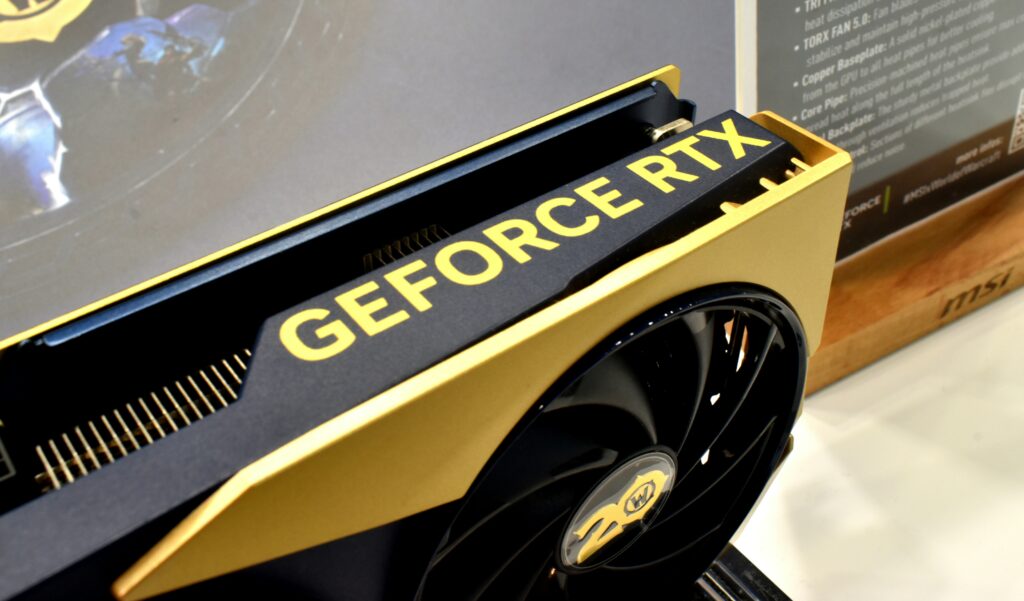
Announced as the successor to the highly successful Hopper architecture, Nvidia’s Blackwell platform marks a defining moment in modern computing. According to official reports from the company’s recent investor updates, Blackwell is built to process trillion-parameter models, providing a massive boost in performance compared to previous iterations. For businesses operating at an enterprise scale, this means a significant reduction in the energy and time required to train and deploy complex workflows.
Engineering for the Future of Data
At the heart of the Blackwell platform lies the multi-die GPU design, which uses high-speed chip-to-chip interconnects. As noted in The Verge, this engineering marvel allows for a unified, high-performance fabric that prevents data bottlenecks. By modularizing the design, Nvidia has enabled a level of scalability that was previously restricted by the physical limits of traditional monolithic chip designs.
The Impact on Enterprise Workflows
For consultants and CTOs, the implications are profound. Integrating Blackwell-based systems into an existing framework allows for real-time inference that was previously latency-prohibitive. This is not just about raw power; it is about the capacity to perform complex simulations and automated reasoning at a speed that aligns with global market demands. We have previously discussed how optimizing enterprise workflows is the key to digital transformation, and Blackwell provides the infrastructure to turn those theoretical optimizations into tangible performance gains.
Expert Predictions and Industry Outlook
Industry analysts maintain that we are currently in the transition phase of this technology. While the hardware is becoming available, the true ‘revolution’ will come when software ecosystems fully adapt to leverage the tensor core advancements within Blackwell. Experts suggest that firms which invest in ‘future-proof’ infrastructure today will be the ones that capture the most value as autonomous agent frameworks become standard in the next 18 to 24 months.
Concluding Insights
The transition to Blackwell-powered systems is not a one-size-fits-all migration. It requires careful planning, architectural assessment, and a clear understanding of your current computational debt. However, the potential for increased efficiency and reduced operational overhead makes it a critical consideration for any international firm looking to stay ahead of the curve.