
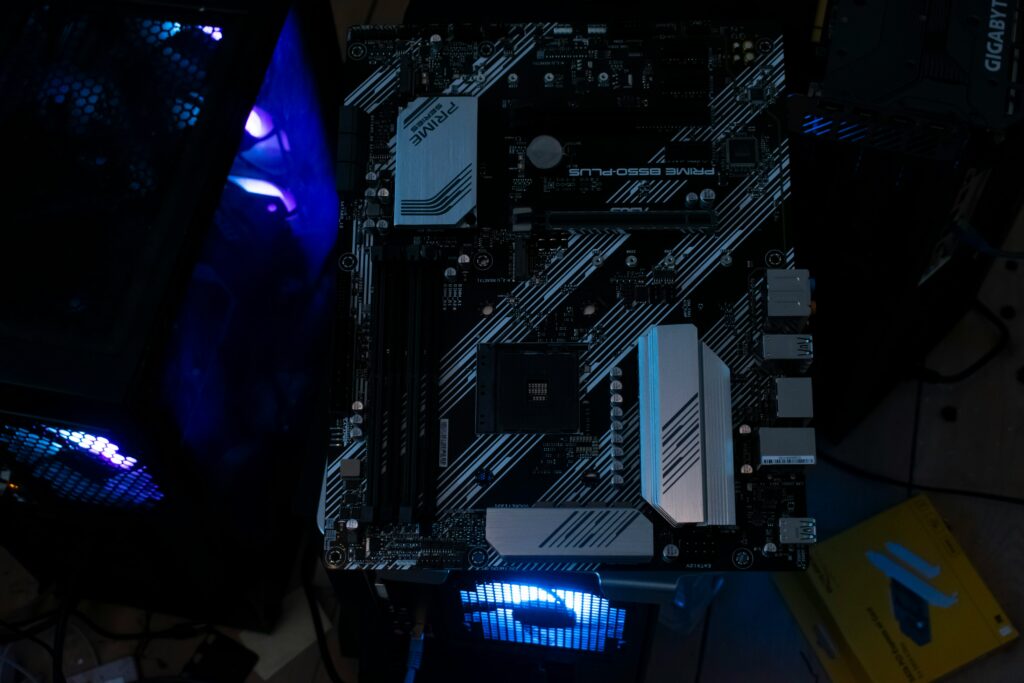
The Official Unveiling: Redefining High-Performance Compute
Announced as the successor to the wildly successful H100, the NVIDIA Blackwell B200 represents a massive leap in architectural design. Built on a custom 4NP TSMC process, the chip utilizes 208 billion transistors. For enterprise consulting firms like ours, the shift isn’t just about raw power; it is about the integration of the fifth-generation NVLink and the enhanced Transformer Engine. As of the latest industry briefings, the B200 is designed specifically to handle the multi-trillion parameter models that are becoming the industry standard.
Performance Data and Technical Reality
According to The Verge, NVIDIA has positioned the Blackwell architecture to provide up to 30x the performance of its predecessors in specific large-scale inference tasks. This isn’t merely an incremental upgrade; it is a fundamental shift in how memory bandwidth is allocated. During recent testing, the B200 demonstrated a significant reduction in energy-per-token, which is a critical metric for businesses looking to lower their operational expenditures while scaling internal automation tasks.
Impact on Modern Enterprise Workflows
For those managing complex automation pipelines, the Blackwell B200 facilitates faster model retraining and real-time data processing that was previously bottlenecked by latency issues. When we integrate these systems into enterprise environments, we often encounter the ‘memory wall.’ The B200 addresses this with its high-bandwidth memory (HBM3e) configuration. Companies can now expect to run highly sophisticated local models without relying entirely on external cloud providers, which enhances data privacy and security—a cornerstone of modern AI integration strategies.
Future Predictions: The Long-Term Hardware Perspective
Industry analysts expect the B200 to solidify NVIDIA’s dominance through at least 2026. However, it is important to note that the industry is still seeing supply constraints. While the potential for ‘Superchips’ is high, the practical deployment involves significant power management upgrades for data centers. Our expert opinion suggests that organizations should not leap into high-density Blackwell clusters without first auditing their cooling and energy distribution infrastructure. The hardware is revolutionary, but the environment must be ready to support it.
Final Verdict: Should You Invest Now?
If your enterprise operations rely heavily on custom foundational models, the B200 is arguably the most essential hardware upgrade in the current market. However, for smaller deployments, the cost-to-benefit ratio may not be immediate. We recommend a phased approach, prioritizing hardware upgrades only where computational bottlenecks are clearly identified in your current workflow analytics.