
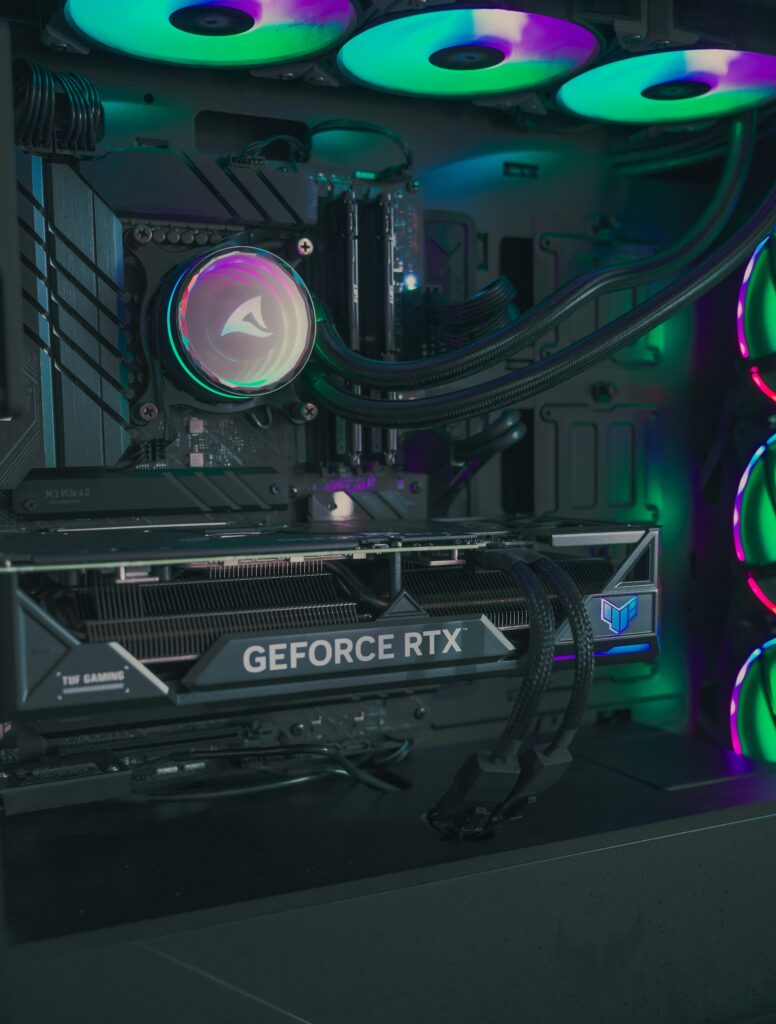
The Rise of Blackwell: A New Era in Compute
Announced as the engine for the next generation of generative models, the NVIDIA Blackwell B200 GPU marks a significant departure from previous Hopper architecture. Since its initial reveal and subsequent rollout, industry analysts have closely monitored its performance metrics. With 208 billion transistors on a dual-die package, the B200 is designed to handle trillion-parameter models with unprecedented efficiency.
According to official reporting from The Verge, the architecture introduces a second-generation Transformer Engine that supports new 4-bit floating-point AI inference capabilities. This innovation is critical for reducing memory bandwidth bottlenecks that have historically plagued large language model (LLM) deployments.
Technical Specifications and Real-World Impact
Unlike iterative upgrades, the Blackwell B200 is engineered for multi-GPU communication. The 5th generation NVLink interconnect allows for up to 1.8 terabytes per second of bidirectional throughput per GPU. For our clients specializing in custom model training, this reduces the time-to-market for production-ready systems from weeks to days. If you are looking for guidance on how these upgrades integrate into existing infrastructures, check out our insights on optimizing enterprise GPU clusters.
Efficiency vs. Power Consumption
One of the primary concerns for modern data centers is power efficiency. The Blackwell architecture focuses on “energy per operation,” aiming to lower the total cost of ownership (TCO) for enterprises running continuous inference tasks. While individual units consume significant wattage, the performance-per-watt ratio shows a marked improvement over the H100, making it a sustainable choice for high-density compute environments.
Expert Predictions and Industry Outlook
Looking ahead, we expect the adoption of Blackwell to follow a staggered trajectory. Early movers in the financial and pharmaceutical sectors are already prioritizing these chips to accelerate predictive simulations. However, for mid-sized enterprises, we advise a cautious approach: evaluate your existing model complexity before opting for a full-scale migration. The true power of Blackwell lies in its ability to support multi-modal models that integrate text, image, and video data simultaneously.
Ultimately, the NVIDIA B200 is not just hardware—it is a foundational component for the next wave of industrial automation. Whether you are building proprietary models or scaling SaaS workflows, understanding the capabilities of Blackwell is essential for staying competitive in the current tech landscape.