
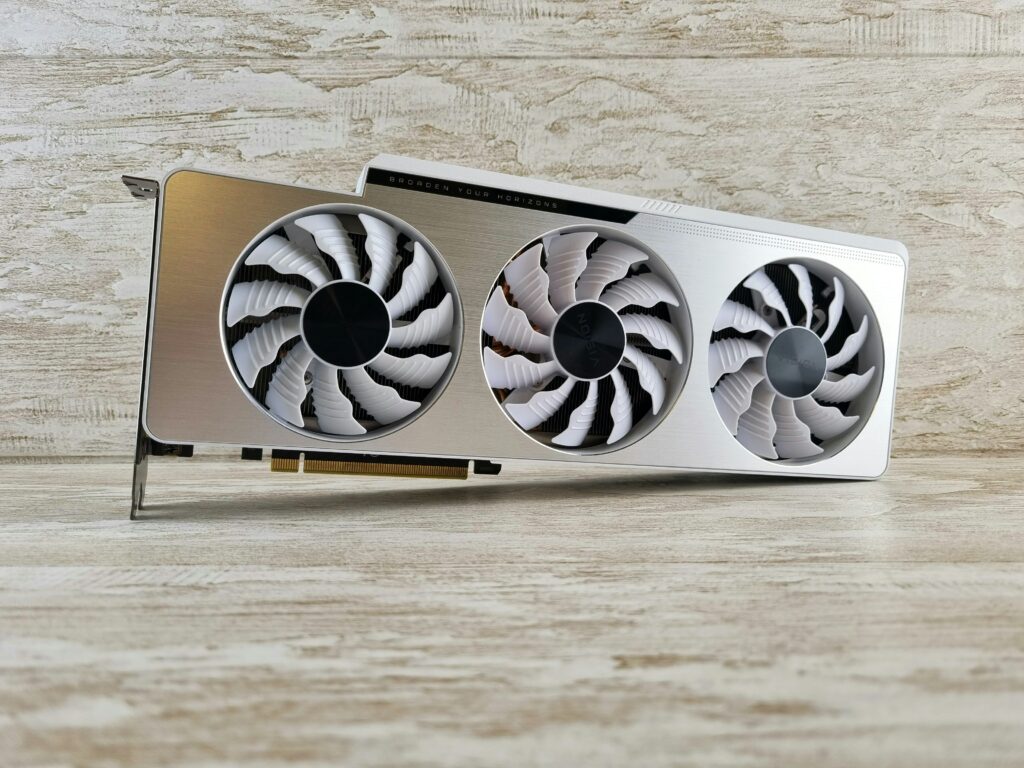
The Dawn of the Blackwell Era
In mid-October 2024, Nvidia confirmed that its next-generation Blackwell chips are currently shipping to key partners and major data center providers. This release follows months of intense industry anticipation, as organizations sought a definitive hardware solution to handle the ballooning demands of large-scale model training and complex simulations. Unlike its predecessor, the H100, the Blackwell architecture is designed specifically to handle multi-trillion parameter models with unprecedented efficiency.
Technical Advancements and Engineering Feats
At the core of the Blackwell GPU is a multi-die design that utilizes a sophisticated high-speed interconnect. According to The Verge, this approach allows the chip to act as a single, unified processor, drastically reducing latency between disparate computing units. For enterprise users, this means shorter training times and the ability to run real-time inference at a scale that was previously deemed cost-prohibitive. The integration of second-generation Transformer Engine technology also optimizes floating-point precision, ensuring that raw power does not come at the expense of accuracy.
Strategic Impact on Industrial Workflows
For consultants and businesses, the adoption of Blackwell represents a shift from experimentation to industrial-grade deployment. By optimizing workflow automation through hardware-accelerated processing, companies can now manage vast datasets with higher agility. The physical architecture of these GPUs is designed to fit into existing rack configurations, minimizing the need for radical infrastructure overhauls while maximizing output.
Expert Outlook and Future Implications
Industry analysts maintain that while supply chain logistics remain a complex variable, the rollout of Blackwell will dictate the competitive landscape for the next 18 to 24 months. We predict that firms capable of leveraging this hardware early will see a significant reduction in operational overhead as their automated systems become more responsive. While the technology is currently focused on high-end enterprise clients, the ripple effects will eventually permeate edge computing and smaller-scale private clouds.
Ultimately, Nvidia’s Blackwell GPU is more than just a component update; it is a fundamental shift in how we approach the infrastructure of intelligence. As these units hit the market, organizations must prepare for a faster, more interconnected era of digital operations.