
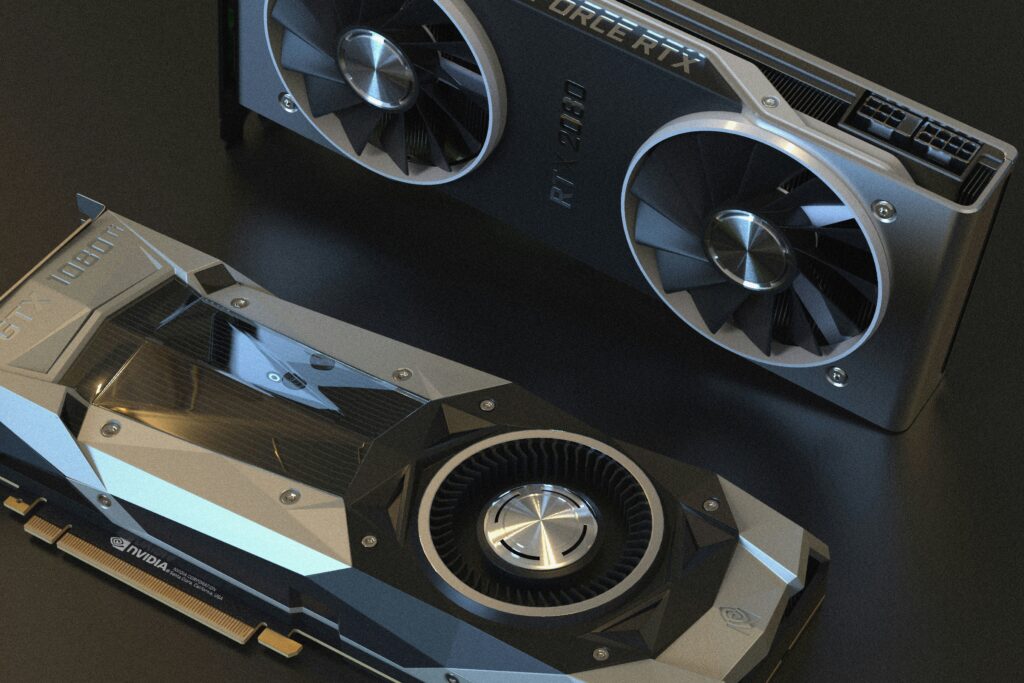
The Arrival of the Blackwell Architecture
On March 18, 2024, Nvidia introduced its Blackwell platform, a monumental evolution in GPU technology. Unlike previous iterations, Blackwell is not just a single chip; it is a full-stack platform designed to handle trillions of parameters in large language models. The architecture integrates two dies of silicon into a single GPU, connected by a high-speed 10TB/s chip-to-chip link.
Data-Driven Insights and Performance Metrics
According to The Verge, the Blackwell B200 GPU promises up to 30 times the performance for LLM inference workloads compared to the previous H100 Hopper generation. This is a staggering leap in power efficiency, which is critical for enterprises looking to scale their automated workflows without ballooning their energy costs. The new architecture is engineered to reduce the cost and energy consumption of training by up to 25 times.
The Impact on Enterprise Automation
For organizations, this hardware shift is more than just a speed boost. It enables real-time processing of massive datasets, which is the backbone of mature automation frameworks. As we discussed in our previous analysis on enterprise workflow automation, the bottleneck for most AI implementations is the underlying compute capacity. Blackwell removes this barrier, allowing businesses to run private, secure, and highly complex models on-premises or in the cloud with unprecedented ease.
Expert Predictions: The Future of Compute
Industry analysts suggest that the launch of Blackwell signals the end of the ‘experimental’ phase of AI. We are moving into an era of massive-scale industrial application. We predict that firms adopting Blackwell-based infrastructure in the next 18 months will gain a distinct competitive advantage in predictive maintenance, complex simulation, and customer-facing generative automation. The key takeaway for CTOs is clear: focus on infrastructure interoperability to ensure your current software stacks are ready to harness this raw power.
Ultimately, while the raw technical specs are impressive, the true value of Nvidia’s innovation lies in its ability to shorten the feedback loop in R&D and operational decision-making. As the ecosystem matures, the companies that thrive will be those that view these hardware advancements as the bedrock of their digital transformation strategy.