
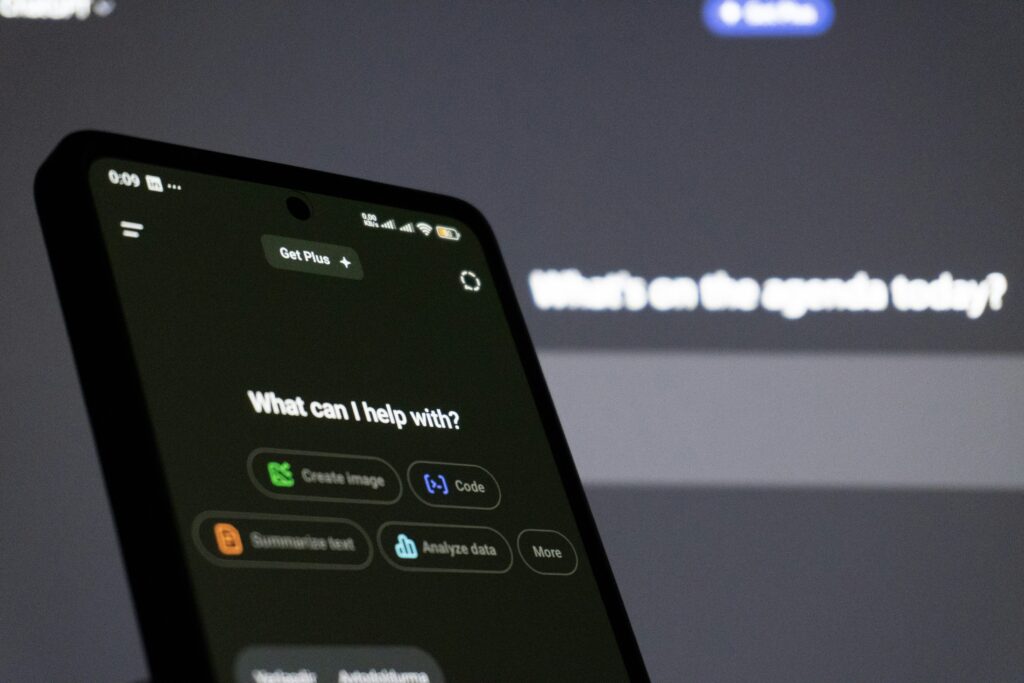
The Emergence of Agentic AI
For the past two years, the focus of AI development has been on generative capabilities—writing text, generating images, and synthesizing data. However, as of mid-November 2024, the industry is pivoting toward ‘agentic AI.’ OpenAI’s Operator represents the pinnacle of this trend, aiming to function as an autonomous agent that takes the reins of a user’s computer to complete end-to-end tasks.
How Intelligent Systems Are Changing Industries
The core philosophy behind Operator is simple yet disruptive: instead of just providing information, the system performs the work. In fields like logistics, procurement, and software development, this technology bridges the gap between digital strategy and execution. By interacting with web interfaces, filling out forms, and retrieving data, these systems reduce the burden of mundane, repetitive tasks that currently consume significant employee bandwidth.
The Technical Paradigm Shift
Unlike traditional automation tools that require complex API integrations, Operator is designed to mimic human-like interaction with a computer. According to reports from Bloomberg Tech, the agent is expected to be released as a research preview. This suggests that while the technology is powerful, the industry is still in a phase of iterative refinement, prioritizing security and reliability before full enterprise deployment.
Strategic Impact on Workflow Automation
For consultants and business leaders, this represents a transformation in the workflow automation landscape. When an AI can handle its own browser navigation and data entry, companies can reallocate human talent toward high-level strategy and creative problem-solving. This shift is not just about cost-cutting; it is about scaling intelligence across the enterprise.
Future Predictions and Industry Stance
Experts anticipate that by 2025, agentic systems will become standard in professional environments. However, the path forward requires careful consideration of data privacy and system oversight. As these AI agents gain the ability to click buttons and move files, the role of human-in-the-loop systems becomes more critical than ever. Organizations must ensure that their digital infrastructure is prepared for agents that act on their behalf.
Conclusion
OpenAI’s Operator is a harbinger of the next era of computing. While the full scope of its capabilities remains to be seen upon its release, the intent is clear: to build systems that don’t just speak, but do. By integrating these tools early, forward-thinking enterprises will set the pace for the future of productivity.