
The Rise of Autonomous Agents
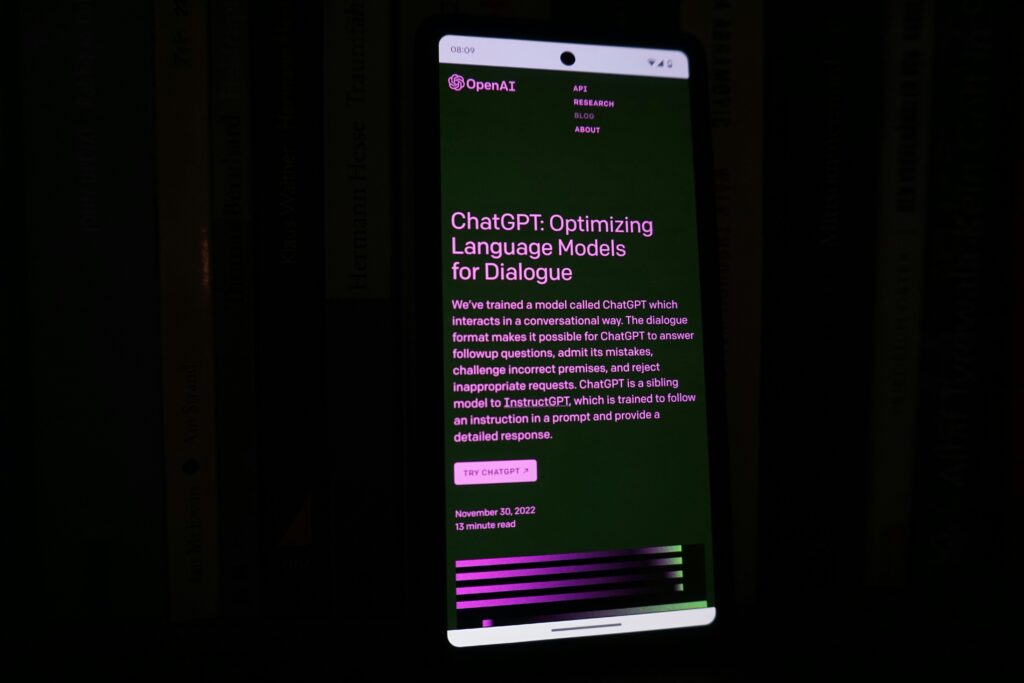
In a significant announcement surfacing in the last few days, OpenAI is reportedly gearing up to release ‘Operator,’ a revolutionary AI agent tool aimed at automating complex actions. Unlike previous iterations of ChatGPT that primarily generate text or code, Operator is designed to take control—clicking, typing, and navigating applications on behalf of the user. This move aligns with the industry-wide pivot toward agentic AI, where the goal is not just to provide information, but to deliver actionable results autonomously.
The Tech Behind the Agentic Wave
According to Bloomberg Technology, this tool is expected to be released to developers in January 2025. The core technology leverages the massive processing power of OpenAI’s models to interpret visual interfaces, making decisions that were once exclusively the domain of human operators. This is a leap forward from current workflow automation tools that require rigid APIs and specific integrations. For those interested in how current automation strategies lay the groundwork, learn more about optimizing enterprise workflow integration.
Implications for Global Enterprises
For organizations, Operator represents a potential ‘game-changer.’ Enterprises currently spend thousands of hours on repetitive ‘swivel-chair’ processes—switching between CRM platforms, email clients, and billing software. By deploying agents that can traverse these silos, companies can reduce overhead and shift human talent toward high-value strategic initiatives. However, this level of access raises significant security and governance concerns that must be addressed before mass-market enterprise adoption.
Expert Predictions: The Future of Work
Industry analysts are cautiously optimistic. The consensus suggests that while the initial release will be limited, the long-term potential for ‘computer-using agents’ is limitless. We predict that by the end of 2025, ‘Agent-as-a-Service’ will become a standard procurement category for enterprise IT departments. The shift from ‘AI-assisted’ to ‘AI-executed’ processes will redefine standard operating procedures across every sector, from legal and finance to customer support and supply chain management.
Conclusion
While OpenAI’s Operator is still in its pre-launch phase, the vision it presents is clear: the future of work is autonomous. As we move into this next generation of technology, businesses that proactively refine their digital workflows today will be best positioned to capitalize on these powerful tools tomorrow.