
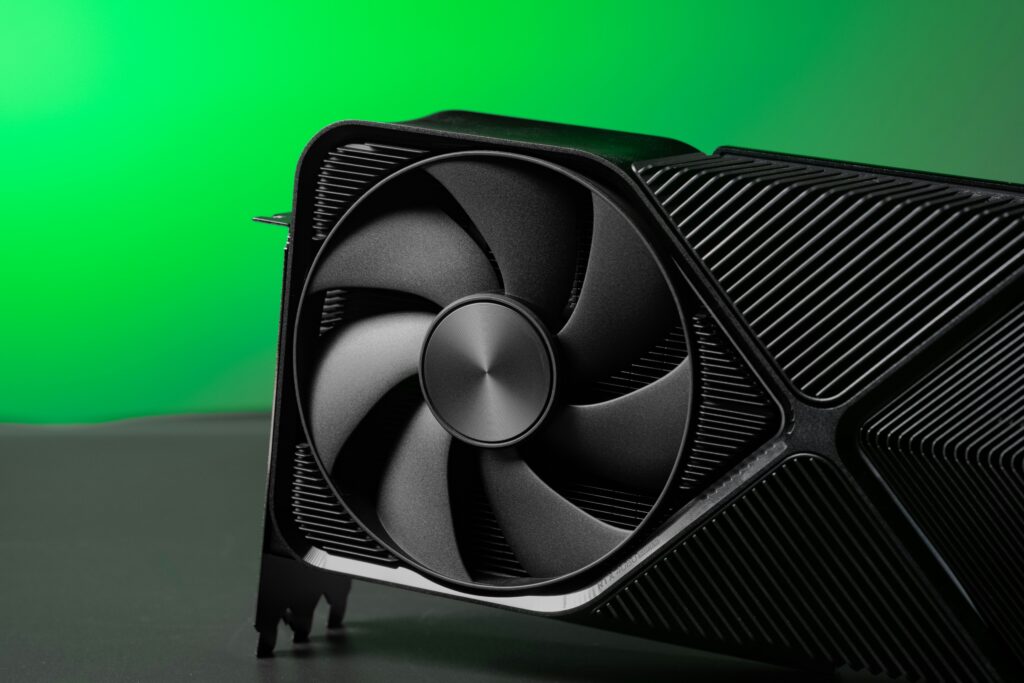
The Evolution of Compute: Nvidia Blackwell Unveiled
In mid-October 2024, Nvidia provided deeper technical clarity on the deployment of its Blackwell architecture. Following its earlier debut, the latest data confirms that the B200 GPU is designed specifically to address the massive memory and interconnect demands of trillion-parameter models. Unlike its predecessor, the H100, which fundamentally changed the industry, Blackwell is built on a custom-built 4NP TSMC process, integrating two reticle-limited dies connected by a 10 TB/s chip-to-chip link.
According to The Verge, while production has faced some hurdles, the scale of performance gains—potentially up to 30x in specific AI inference tasks—signals a massive shift in how organizations handle data-intensive workflows. For firms looking to optimize their workflow automation, these GPUs are not just iterative upgrades; they are foundational infrastructure components.
Technical Breakdown: Why Architecture Matters
The core of Blackwell’s innovation lies in its second-generation Transformer Engine. This enables higher precision, supporting FP4 and FP6 formats, which effectively doubles the throughput for inference without sacrificing critical accuracy. For enterprises, this means faster response times for complex generative systems. Furthermore, the introduction of the fifth-generation NVLink allows for seamless communication between up to 576 GPUs, effectively allowing a data center to function as a single, massive computer.
Impact on Industry Leaders
Industry analysts have noted that the shift to Blackwell is primarily driven by the ‘AI-first’ corporate mandate. Financial sectors and healthcare research institutions are already queuing for these units to reduce training cycles from months to days. The architectural efficiency allows for lower power consumption per flop, a critical metric for enterprises concerned with ESG goals and skyrocketing energy costs in hyperscale data centers.
Looking Ahead: The Future of Enterprise AI
While the hardware is undoubtedly powerful, the software ecosystem (CUDA) remains Nvidia’s strongest moat. As we move into 2025, the conversation will likely shift from pure raw power to software optimization. We predict that the most successful firms will be those that integrate Blackwell-ready systems with robust, automated data pipelines, ensuring that the hardware is never sitting idle due to bottlenecks in data ingestion.
Conclusion
The Nvidia Blackwell era is clearly here. For CTOs and engineering leads, the strategy should not be just about acquiring the hardware, but rethinking how data center architecture can scale alongside these innovations. As always, balanced decision-making—weighing cost against specific use-case requirements—remains the hallmark of a smart infrastructure strategy.